

Tattoo removal costs more than one quote suggests. Here's how clinics calculate area, why color adds sessions, and what to bring for an accurate estimate.
Published -
Updated -

Author
Wi Young-jin · Chief director
Seoul National University College of Medicine · Seoul National University Hospital Specialist
→
If you’ve shopped around for tattoo removal and walked away with three completely different numbers, you’re not alone. One clinic quotes ₩150,000 per session, another says ₩420,000 — same tattoo, same arm. What gives?
The short answer? There’s no universal pricing standard. Clinics measure size differently, weight color complexity differently, and charge differently by body location. In this article, we’ll cover why quotes vary so much, how area-based pricing actually works, and what information to bring so you get an accurate estimate the first time.
What Is Tattoo Removal and How Does It Work?
Tattoo removal uses laser energy to break up pigment particles embedded in the dermis — the second layer of skin, roughly 1–2 mm below the surface. Professional tattoos sit deep; amateur ink tends to be shallower and less dense.
The most widely used technology is picosecond laser, which delivers ultra-short pulses that shatter pigment into fragments small enough for your lymphatic system to clear. PicoWay is one device commonly referenced in this category.
Why does this matter for pricing? Because the number of sessions you’ll need depends on how deeply the ink is set, how densely it was applied, and what colors were used. All of those factors feed into the quote a clinic gives you.
Why Do Tattoo Removal Quotes Vary Between Clinics?
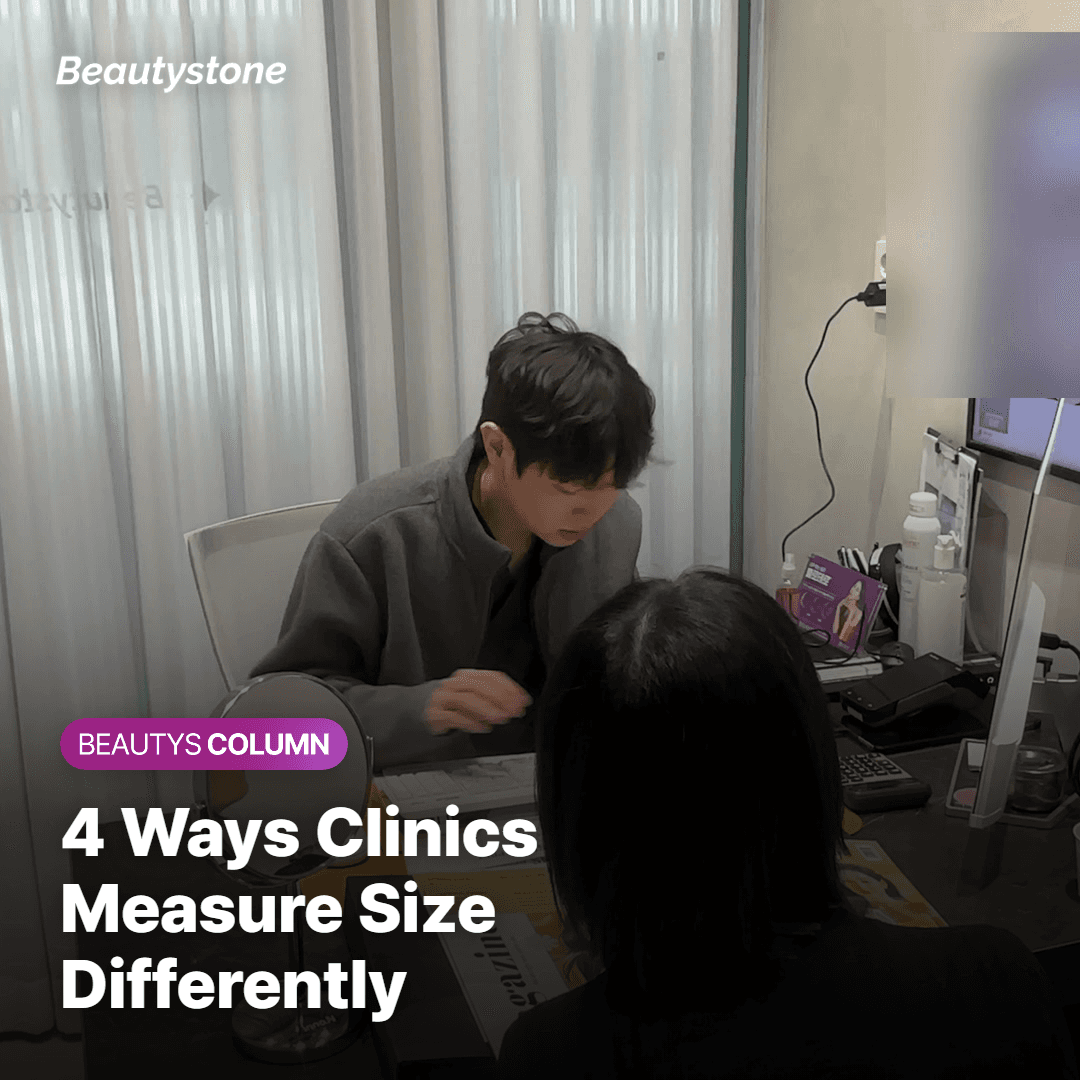
The biggest source of confusion is that clinics don’t agree on how to measure a tattoo’s size. Here are the four most common approaches:
Fixed size tiers: The clinic defines brackets (small, medium, large) and your tattoo falls into one. Two clinics using different bracket definitions quote different prices for the same piece.
Measured area in cm²: The provider traces the outline and calculates the actual inked surface. More precise, but measurement technique varies.
Per-session flat rate by rough size: A fixed price per visit regardless of exact dimensions. Simple but can overcharge small tattoos.
Package pricing (N sessions bundled): You pay upfront for 5–8 sessions. The per-session math looks cheaper, but you may not need all of them.
Because none of these methods are standardized, direct quote comparisons are nearly impossible without knowing which method each clinic uses. Individual results vary based on ink depth, density, and skin response.
How Area-Based Pricing Works in Practice
Most clinics anchor their pricing to the tattoo’s inked surface area in cm². Here’s the general pattern:
Tier 1 (under 5 cm²): A small wrist symbol or finger text. The lowest price bracket, but these add up over multiple sessions.
Tier 2 (5–15 cm²): A palm-sized piece or sleeve segment. The most common bracket where pricing transparency matters most.
Tier 3 (15–30 cm²): Forearm or calf coverage. At this scale, color and location start adding meaningfully to the total.
Tier 4 (over 30 cm²): Back pieces, full sleeves. Clinics may switch to a custom-quote model here.
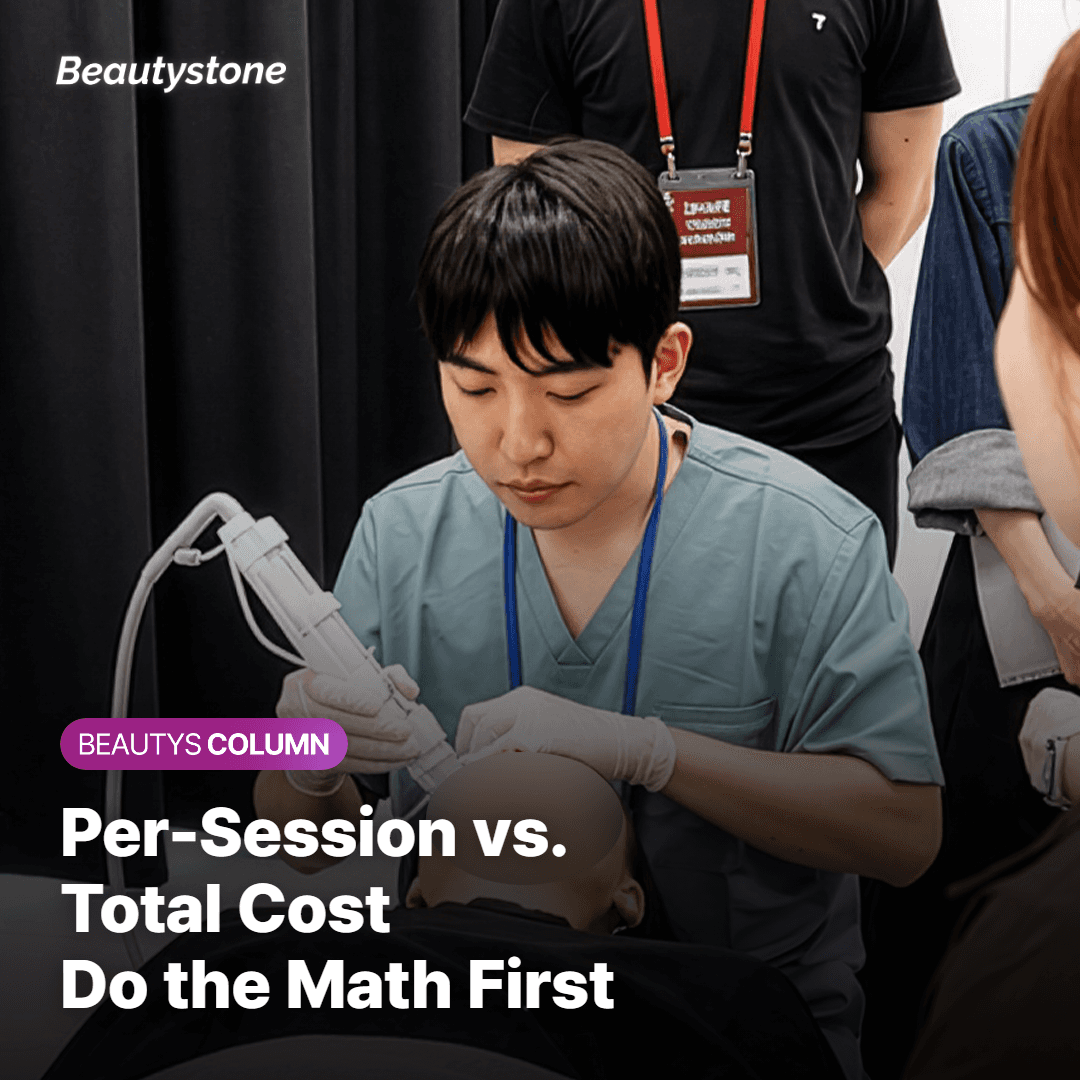
The gap between the per-session price and the final bill is where most surprises happen. A low per-session rate that requires eight sessions may cost more overall than a higher rate that resolves in five.
Per-Session Rate vs. Total Cost: The Math That Trips People Up
Studies on laser tattoo removal suggest that professional black ink typically requires 6–12 sessions for significant clearing. Factors like the Kirby-Desai scale — which accounts for skin type, ink color, density, and body location — are used in research to estimate session count.
Here’s a simplified example of how the math can flip:
Scenario | Per-Session Rate | Est. Sessions | Total |
|---|---|---|---|
Clinic A (lower rate) | ₩80,000 | 10 | ₩800,000 |
Clinic B (higher rate) | ₩150,000 | 5 | ₩750,000 |
The clinic with the lower session rate costs more in the end. This happens when the lower-priced clinic uses an older laser that requires more sessions than a current picosecond device. Individual results vary significantly based on ink type and skin response.
The right question to ask: How many sessions do you typically need for a tattoo this size, color, and location? Get a session range estimate, not just a per-session price.
Why Color Tattoos Cost More to Remove
Black and dark gray ink absorbs most laser wavelengths well — it’s the easiest pigment to target. Colored ink is a different story.
Red and orange: Respond to different wavelengths than black ink. Some devices can switch; others can’t.
Green and blue: Among the most stubborn pigments. Research suggests they require more sessions than black ink.
Yellow and white: Can be the hardest to clear and sometimes paradoxically darken initially.
Multi-color designs: May require multiple passes with different wavelengths, effectively treating each color separately.
When a clinic lists a color surcharge, that’s covering additional device time, wavelength switching, and the higher likelihood of needing more sessions. It’s not arbitrary. Individual results vary; some colors respond faster than expected, others don’t.
Side Effects and Risks: What to Watch For
Tattoo removal is a medical procedure, and like any procedure, it comes with trade-offs. Understanding the risks beforehand helps you evaluate a clinic’s safety protocol, not just its price.
Common, expected reactions:
Redness, swelling, and a frosting effect immediately after — normal and resolves within hours to days.
Blistering and scabbing over the following 1–2 weeks. Never pick at scabs.
Temporary hypopigmentation (lightening of surrounding skin) — usually resolves over months, though it can be prolonged in darker skin tones.
Less common but real risks:
Permanent scarring — more likely if sessions are spaced too closely or the skin isn’t allowed to heal fully.
Permanent hypopigmentation or hyperpigmentation — higher risk in skin types IV–VI on the Fitzpatrick scale.
Infection — rare with proper aftercare, but possible if the area isn’t kept clean.
Paradoxical darkening — seen most often with cosmetic tattoos using iron oxide-based pigments.
If you notice spreading redness, fever, or worsening pain beyond the first 48 hours, seek medical care right away.
Session spacing matters: most protocols recommend waiting 6–8 weeks between sessions. Clinics that push you to come back sooner may be prioritizing revenue over results.

What to Bring or Send for an Accurate Quote
Here’s what makes the difference between a rough estimate and a reliable one:
A clear photo in daylight: Taken flat against your skin with a neutral background. Outdoor light shows color contrast better than flash photography.
A ruler or coin for scale: A credit card or standard ruler next to the tattoo gives the clinic a reference point for area estimation.
When you got the tattoo: Older tattoos often have migrated ink that’s easier to clear. Newer ink (under 12 months) tends to be denser.
Professional or amateur: Amateur tattoos are often shallower and may be faster to clear despite looking bold.
Whether you have an active tan: Active tan increases the risk of hypopigmentation and may affect session timing.
With this information, a clinic can give you a session range estimate alongside the per-session price — which is the number that actually matters for budgeting.

The Bottom Line
Tattoo removal quotes differ for real reasons. Here’s what to keep in mind:
Area measurement methods vary by clinic; the same tattoo can fall into different size tiers depending on who’s measuring.
Color complexity adds sessions and cost — multi-color pieces are reliably more expensive than black-only ink.
Body location affects clearing speed; distal areas like hands and feet typically require more sessions than torso tattoos.
Total cost equals per-session rate times number of sessions. The cheaper clinic isn’t always the cheaper option.
Like any medical procedure, tattoo removal comes with trade-offs. Results vary from person to person based on ink type, skin tone, and how the body responds to treatment.
Ultimately, the best quote is one that includes a session estimate, not just a per-session price. If a clinic can’t give you a range, that’s worth noting.
If you’re considering tattoo removal, a consultation is the best way to get an accurate picture of your timeline and budget. Beautystone is a dermatology clinic in Seoul’s Hapjeong area — see current treatment options at /en/promotion.
Frequently Asked Questions
Q. How many sessions does tattoo removal typically take?
A. Most professional black ink tattoos require 6–12 sessions for significant clearing, spaced 6–8 weeks apart. Multi-color tattoos and ink on distal areas like hands and feet tend to need more. Individual results vary based on ink density, depth, skin type, and how well your lymphatic system clears fragmented pigment.
Q. Does tattoo removal hurt?
A. Most people describe the sensation as a rubber band snap or intense heat — not pain-free, but manageable. Numbing cream applied 30–45 minutes before treatment reduces discomfort significantly. Sensitive areas like the ribs, inner wrist, and feet tend to be more uncomfortable.
Q. Why is my tattoo removal quote so different from prices I found online?
A. Online prices are almost always per-session estimates for small, black-ink tattoos. Your actual quote depends on measured area, color complexity, body location, and the estimated number of sessions. Always ask for a total-range estimate alongside the per-session price.
Q. How long do I need to wait between tattoo removal sessions?
A. The standard protocol is 6–8 weeks between sessions. This allows the lymphatic system to clear fragmented pigment and the skin to fully heal. Spacing sessions too closely increases the risk of scarring and doesn’t improve overall results.


Hair Removal
레이저 제모 1회에도 남는 몫이 있어요 — 밀도를 모자이크로 보는 법

Tattoo removal
Why Extremity Tattoos Are Slower to Remove

Tattoo removal
Tattoo Removal Cost: Why Quotes Vary by Area

Tattoo removal
Unused Tattoo Removal Sessions: What Happens?

Lifting
Forehead Thread Lifting: How Far Can It Go?

skin
Skin Booster Prices: What to Check in a Quote