

Does underarm laser hair removal brighten skin? Why shaving darkens tone, and how lasers help.
Published -
Updated -

Author
Wi Young-jin · Chief director
Seoul National University College of Medicine · Seoul National University Hospital Specialist
→
Will underarm hair removal really make it look brighter?
When you wear a sleeveless top or short sleeves, you tend to glance at your underarms in the mirror. Even if you shave regularly, sometimes the dark tone just won’t fade. If you search online, you’ll see both “hair removal makes it look brighter” and “shaving makes it darker.” Which one is true?
One-line conclusion: both are true. Depending on how you remove the hair, the area can look brighter—or, on the contrary, darker. From the skin’s point of view, shaving and laser are almost completely different things.
Here are a few common misconceptions to clear up before a consultation.
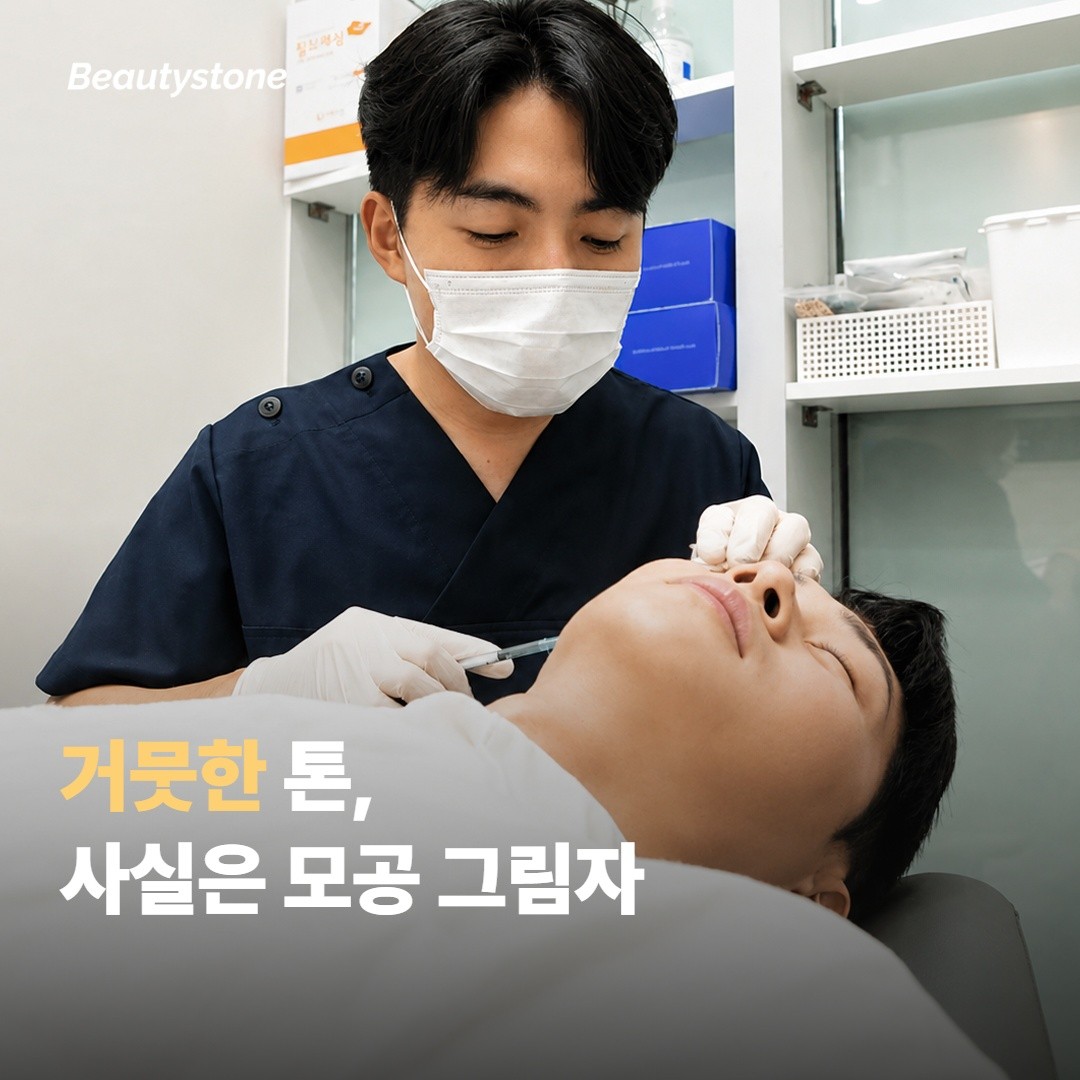
What looks dark may actually be a “hair-root shadow”
A major reason the underarms look dark is the shadow from thick hairs rooted in the pores. Even if you cut them at the surface, the pigment inside the pore remains, so the skin looks darker. The tiny dots you see up close are actually pores.
If melanin pigmentation builds up on top of that, it looks even darker. The underarms are an area of constant friction where clothing and the inner arm keep rubbing together. Repeated irritation triggers more melanin production as a defense response, so the tone becomes darker over time.
Repeated self-shaving can make the tone even darker
It’s not that shaving itself causes pigmentation; the problem is the cumulative micro-irritation from shaving. Razor nicks, folliculitis*, ingrown hairs, and alcohol-based products that sting are all forms of irritation. When this irritation repeats, post-inflammatory hyperpigmentation sets in more deeply.
Folliculitis: a condition in which inflammation develops inside the hair follicle. If irritated or if bacteria get in, it can become red and swollen, and when it subsides, dark pigmentation may remain.

According to dermatology guidance, pigmentation like this usually fades naturally over about 6 months to 1 year. However, if you keep shaving, new irritation keeps coming, so the color doesn’t fade easily. To bring the tone back to a brighter state, the first step is to break the irritation cycle.
The real reason laser hair removal is linked to tone improvement
Laser hair removal reduces the hair itself, but as a secondary effect, the area can look brighter. Two mechanisms work together. First, as thick hairs and pigment inside the pores decrease, the shadow cast on the skin surface fades. Then, because you no longer need to shave, friction and irritation are reduced, and newly accumulated pigmentation stops forming.
That said, it is not a whitening treatment that literally makes the skin tone whiter. If pigmentation that has already settled in is strong, laser toning or a whitening ointment prescription may need to be considered together. Think of the brightening effect as more of a return to your original tone, and expectations will be more realistic.
To look brighter, you also need to manage UV exposure and friction
Pigmentation responds most strongly to irritation and ultraviolet light. This is especially true during the recovery period after treatment. Right after the procedure, it’s best to avoid saunas, strenuous exercise, alcohol, and deodorants with strong fragrance for a while. Give the pores enough time to calm down.
Clothing matters too. If your top is too tight or the fabric is rough and keeps rubbing the inner underarm, the color can darken again. To maintain the treatment effect longer, check whether your day cream contains sun protection.
The underarms are a spot people often miss because they usually don’t apply anything there. During seasons when sleeveless tops are common, UV exposure accumulates especially easily, so applying it once about 30 minutes before going out can slow the rate at which the tone darkens again.
It takes some time for results to show
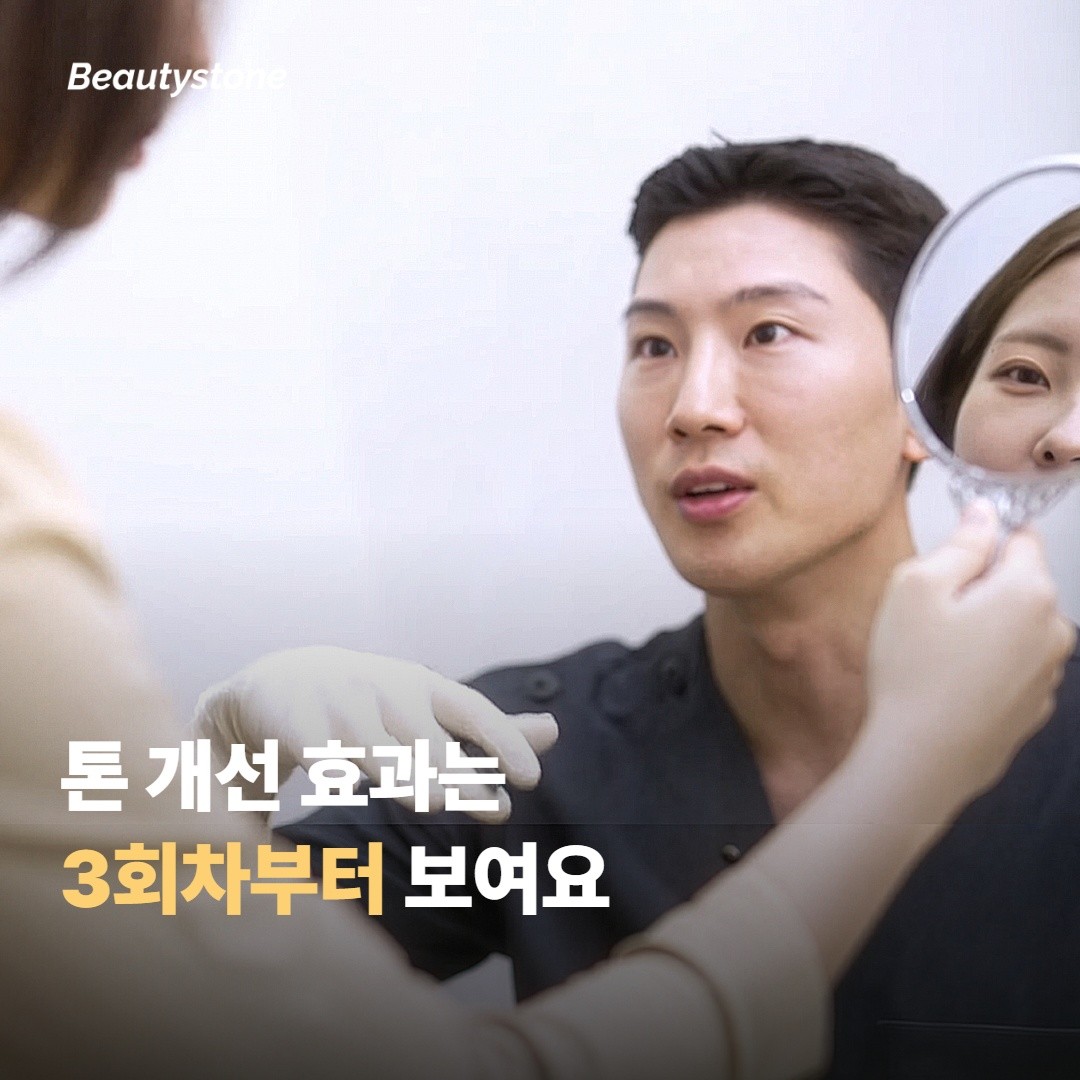
Laser hair removal is usually recommended at 5 to 8 sessions, spaced 4 to 6 weeks apart. Brightening of the tone is usually noticeable after the third session. Many people stop after one or two treatments because they feel it “isn’t getting much brighter,” but hair follicles also need a cycle to die off, and pigmentation also needs time to fade.
If your skin tone is darker or you tend to develop friction-related pigmentation easily, it is safer to receive treatments more gently and more frequently rather than increasing the power too much at once. Strong, one-shot treatments are sometimes marketed as a way to “remove dark tone in one go,” but on Asian skin, irritation can actually lead to more pigmentation afterward. During your first consultation, reviewing your usual recovery speed and tendency toward pigmentation with the medical team will make the treatment plan much more precise.
This article summarizes general information. For an actual treatment plan, it is safest to decide after consulting a doctor who has examined your skin condition and the degree of pigmentation directly.
Frequently asked questions
Q. Can my skin tone become brighter just by continuing to shave?
A. Reducing irritation and consistently moisturizing and using sunscreen can help to a certain extent. However, because the debris inside the pores remains, there is a limit to how much brighter the overall complexion can appear.
Q. Can one laser treatment make your skin look brighter?
A. With just one session, it’s usually hard to see much change. When several treatments are performed in line with the hair growth cycle, pores and overall tone gradually become smoother and more refined.
Q. What should I do to prevent it from becoming dark again after the procedure?
A. Reducing irritation from shaving and avoiding clothing with a lot of friction, as well as strongly scented deodorants, can make a big difference. Paying attention to sun protection can also help the results last longer.
Q. When getting laser treatment to improve underarm skin tone, is it better to have the intensity set high?
A. If you have a darker skin tone or a predisposition to friction-induced hyperpigmentation, it is safer to receive gentler, more frequent sessions rather than a single strong treatment. Since Asian skin is prone to increased pigmentation following high-energy output, it is highly recommended to monitor your skin's recovery rate.
Content


![[Wi Young-jin] Fine hairs after 10 laser hair removals](https://framerusercontent.com/images/Q444W406m6qo3yprySVilMTCCIw.jpg?width=1080&height=1080)


skin
Why Does Fractional CO2 Take Longer to Heal?

Contouring & Volume
How Many cc Does Forehead Filler Need?

skin
Why Is My Skin Oily but Tight in the Fall?

Hair Removal
Underarm Laser Hair Removal Cost: Do the Math

Tattoo removal
Laser Before a Cover-Up: How Many Sessions?

skin
큐어젯 다운타임, 다음 날 출근과 화장은 언제부터 될까요?