

Folliculitis has no comedones, itches more than it aches, and settles in one to two weeks on the right medication. Acne cream only prolongs it.
Published
Updated

Author
Wi Young-jin · Chief director
Seoul National University College of Medicine · Seoul National University Hospital Specialist
→
📚 Understanding Acne Treatment · Series Contents
1. The True Face of Acne
1.1 Folliculitis vs Acne (Current article)
2. The Crossroads of Scarring
3. How to Stop It Now
4. Stopping It with Medication
5. Managing Leftover Marks
When a red pimple pops up on your face or back, it is common to search for acne cream first, thinking, "Oh, I have a breakout." However, among those identical-looking red, raised bumps, some are actually folliculitis rather than acne. Though they look like close cousins, their starting points are entirely different. Treating them with the wrong approach can prolong the inflammation and leave lasting scars.
They May Look Identical, But They Start Differently
Acne begins in areas with active sebaceous glands. When pores become clogged with dead skin cells, sebum builds up inside. This creates a perfect environment for acne bacteria (C. acnes), which naturally live on the skin, to multiply and trigger inflammation. This is why acne typically appears in sebum-rich areas like the facial T-zone, upper back, and the center of the chest.
Folliculitis*, on the other hand, starts directly inside the hair follicle itself. When the follicle opening is weakened or damaged by irritation—such as shaving, friction, sweat, or tight, unbreathable clothing—bacteria like Staphylococcus aureus or fungi like Malassezia invade and cause inflammation. Because of this, folliculitis can develop anywhere hair grows, including the lower back, limbs, scalp, groin, and beard area.
* Acne Bacteria (C. acnes): Cutibacterium acnes is a normal skin microbe. It is usually harmless, but overgrows and causes inflammation when trapped inside a clogged pore. It was formerly known as P. acnes.
* Folliculitis: Inflammation of a hair follicle. It is divided into bacterial (mostly Staphylococcus aureus), fungal (Malassezia), and irritant types. The appropriate treatment medication varies depending on the location and cause.
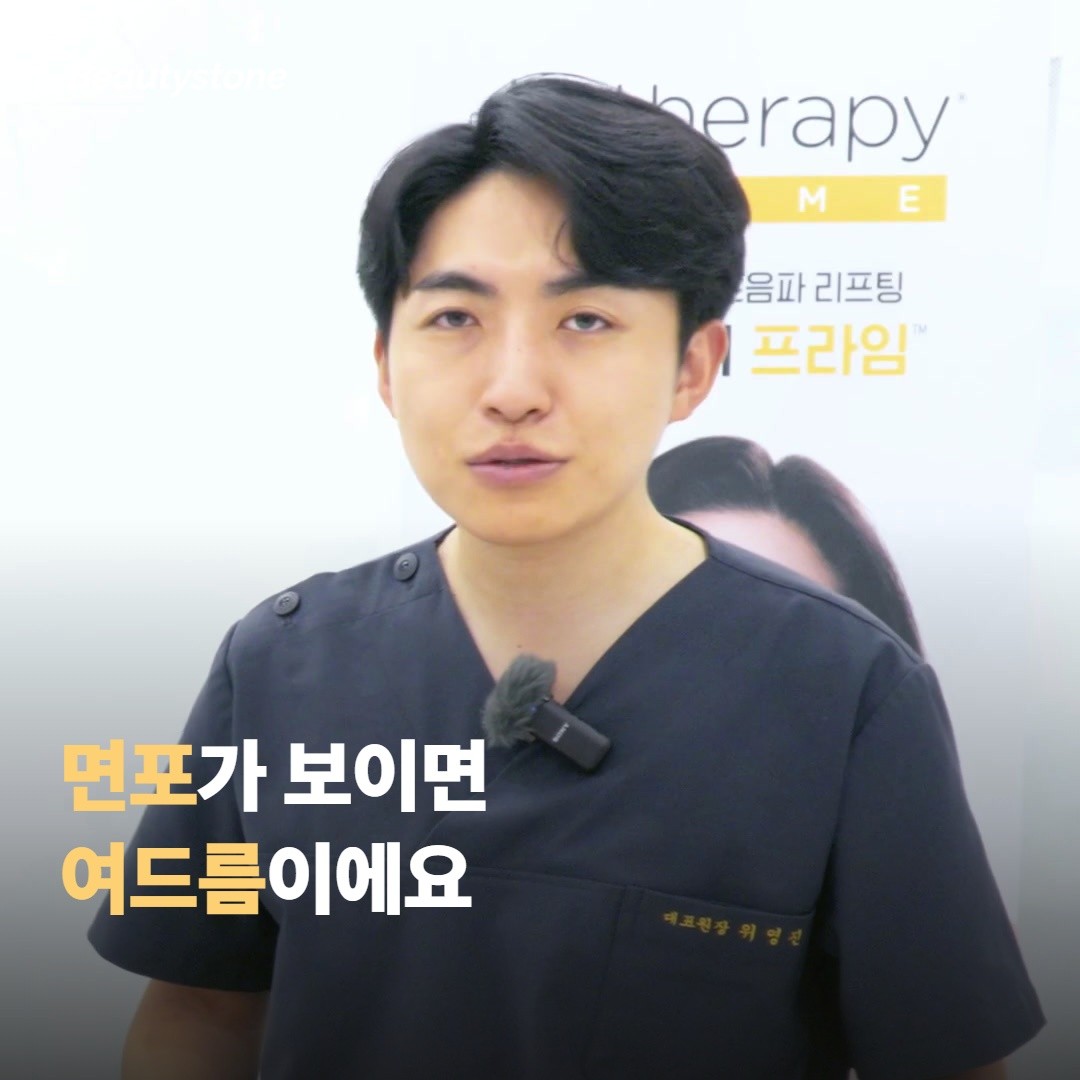
If You See Comedones, It is Acne
The quickest way to tell them apart is by looking for comedones. Comedones (clogged pores)* represent the stage where sebum builds up because a pore is blocked, appearing as tiny bumps like whiteheads (closed comedones) or blackheads (open comedones). Acne almost always begins with these comedones before progressing to red papules and pus-filled pustules.
Folliculitis does not have comedones. It appears from the very start as red papules or pustules with a yellow, pus-filled center. Look closely in the mirror: if there are tiny, whitehead-like bumps surrounding the red pimple, it is likely acne. If you see a sudden cluster of red bumps without any whiteheads or blackheads, it is highly likely to be folliculitis.
* Comedone: A non-inflammatory stage where sebum and dead skin cells collect inside a clogged pore. If closed, it is a whitehead; if oxidized and darkened, it is a blackhead. Since comedones are the starting point of acne, managing them at this stage is key to preventing scars.
Classification | Acne | Folliculitis |
|---|---|---|
Comedones | Present (Whiteheads / Blackheads) | Absent |
Common Locations | Facial T-zone, upper back, chest center | Lower back, limbs, scalp, beard area |
Itching | Usually absent (presents with stinging/tenderness) | Commonly present (especially fungal type) |
Primary Cause | Blocked sebum/keratin, hormones, acne bacteria* | Bacteria, fungi, shaving, sweat/friction |
Improvement Pattern | Chronic and recurrent | Clears in 1–2 weeks with target medication |
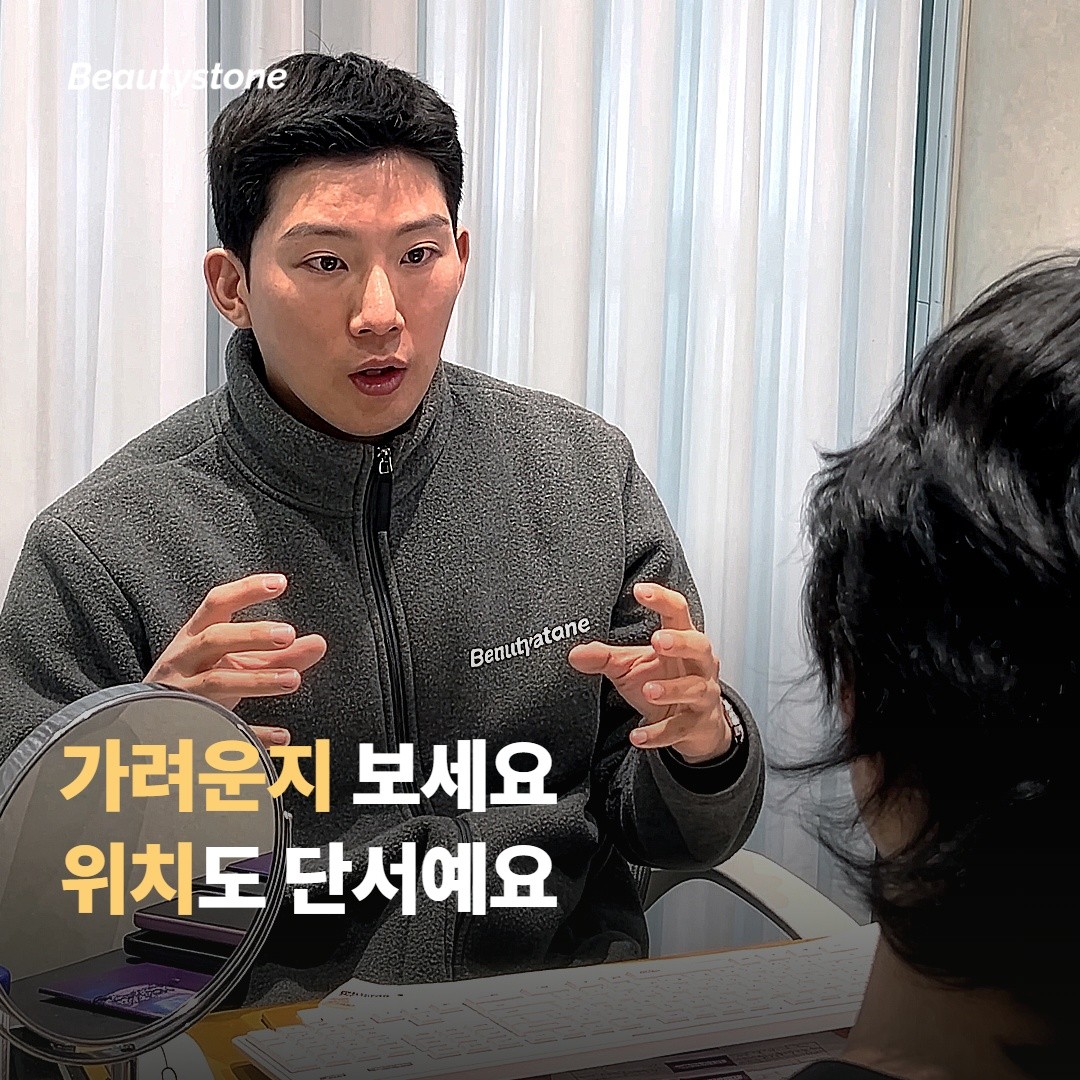
Itchiness and Location Are Your Next Clues
Acne tends to be more tender or painful. It can feel sore to the touch, but it is rarely itchy. On the other hand, itchiness is a very common sign of folliculitis. In particular, Malassezia folliculitis often presents as clusters of tiny, red, itchy bumps on the shoulders and upper back that become significantly itchier when you sweat.
The location of the breakout is also a helpful clue. If bumps flare up in areas with fewer sebaceous glands but plenty of hair follicles—such as the groin, outer arms/legs, or scalp—it is best to suspect folliculitis first. If they appear suddenly after using a new razor, wearing sweaty workout clothes for too long, or sitting on a heated pad, it points strongly to folliculitis.
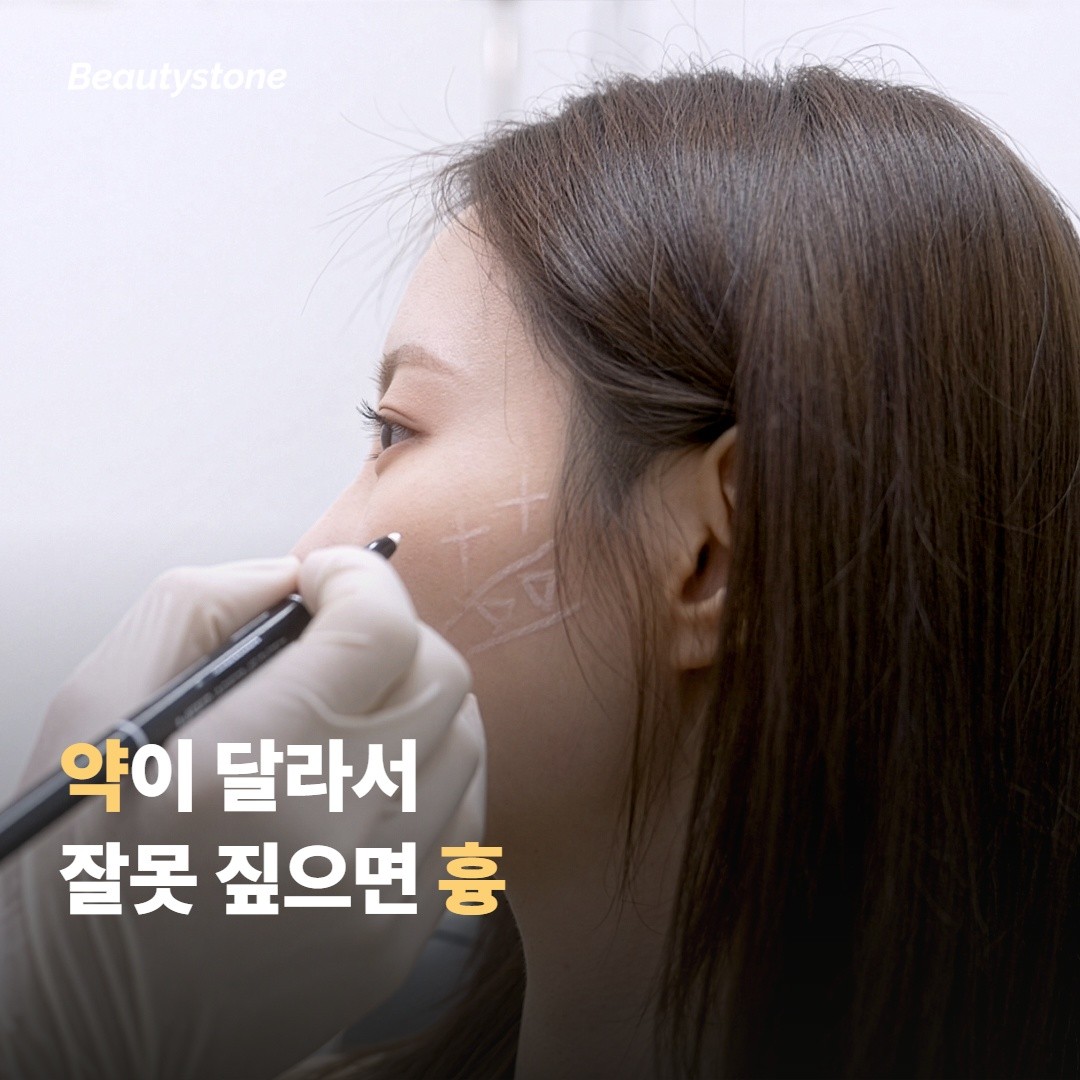
The Treatments Are Different, and a Misdiagnosis Can Leave Scars
To treat acne, we must manage pore blockages and sebum flow. Retinoids, salicylic acid, benzoyl peroxide, oral antibiotics, and isotretinoin form the core of treatment. Simply applying antibiotic cream without addressed clogged pores will lead to repeated recurrences.
For folliculitis, we must determine whether the cause is bacterial or fungal to prescribe the correct antibiotic or antifungal treatment. In my clinical experience, I often see cases where patients apply acne treatments to fungal folliculitis, which only aggravates the itching and spreads the inflammation, leaving long-lasting marks. Conversely, applying only topical antibiotics to deep acne nodules can cause them to fester internally, eventually hardening into deep, pitted scars.
Scars are not simply caused by popping pimples; they are determined by the depth and duration of the inflammation. If the diagnosis is incorrect, the inflammation persists longer, making the resulting scars deeper.

Thus, the First Step is Correct Diagnosis
When you notice red bumps, instead of reaching for acne ointment right away, take a close look: Are there comedones? Is it itchy? Where is it located? If the clues point toward folliculitis, avoiding improper acne medications and seeking a professional assessment is the gentlest way to prevent scarring.
Once we have a clear diagnosis, we can naturally move on to decisions like "Should this be extracted? If so, when?" or "How do we calm deep nodules?" In our next article, we will discuss how different sizes and types of acne lead to different types of scarring.
Frequently Asked Questions
Q. How long does it take for folliculitis to clear up?
If you use the correct antibiotic or antifungal medication, the redness usually subsides within 1 to 2 weeks. However, if the underlying triggers (such as shaving methods, sweaty clothing, or pore-clogging cosmetics) are not addressed, it can return. Any remaining marks may take about a month to fade fully.
Q. Are the bumps on my back acne or folliculitis?
Bumps on the upper back are often acne, while those on the lower back or outer shoulders are frequently folliculitis. If clusters of tiny bumps appear and feel itchy, it is likely folliculitis; if you see a mix of comedones and inflamed, pus-filled pustules, it is more likely acne.
Q. Can I continue using acne cream for a long time without a professional diagnosis?
If you clearly see comedones and experience only mild tenderness, it is generally fine to monitor it while using a topical acne cream for 1 to 2 weeks. However, if there is intense itching, a sudden eruption of tiny bumps, or no improvement after 2 weeks, you should have the diagnosis re-evaluated. The longer the delay in getting the right treatment, the higher the risk of post-inflammatory scarring.

![[Wi Young-jin] Duoderm heals acne 2× faster than bandages](https://framerusercontent.com/images/K9F2JPCz3PJkpHFmSCDrbIcg6Wc.jpg?width=1080&height=1080)
![[Wi Young-jin Column] Why barrier care beats lasers for acne](https://framerusercontent.com/images/gTHpRDvM70ZkZiafeHPrMi7U.jpg?width=1080&height=1080)
![[Wi Young-jin] Acne meds: starting dose shapes results](https://framerusercontent.com/images/t86WllwkIC5zix3juL71nvjqBPI.jpg?width=1080&height=1080)


Contouring & Volume
Glabella Botox Side Effects: Droopy Eyelids

Contouring & Volume
Juvelook Volume Not Working After 3 Sessions?

Contouring & Volume
Hip Dip Filler Before and After: 4 Checks

Body
Potenza Treatment Interval: Why 4 Weeks?

Lifting
Ultherapy Before and After: Why Wait 90 Days?

Contouring & Volume
Belotero Revive Cost: 2cc Price vs. 3 Sessions