

CureJet Cost: Single Session vs Package Compared
CureJet Cost: Single Session vs Package Compared
CureJet Cost: Single Session vs Package Compared
Here's my honest take on why CureJet prices vary by clinic, plus single session vs package costs.
Published -
Updated -
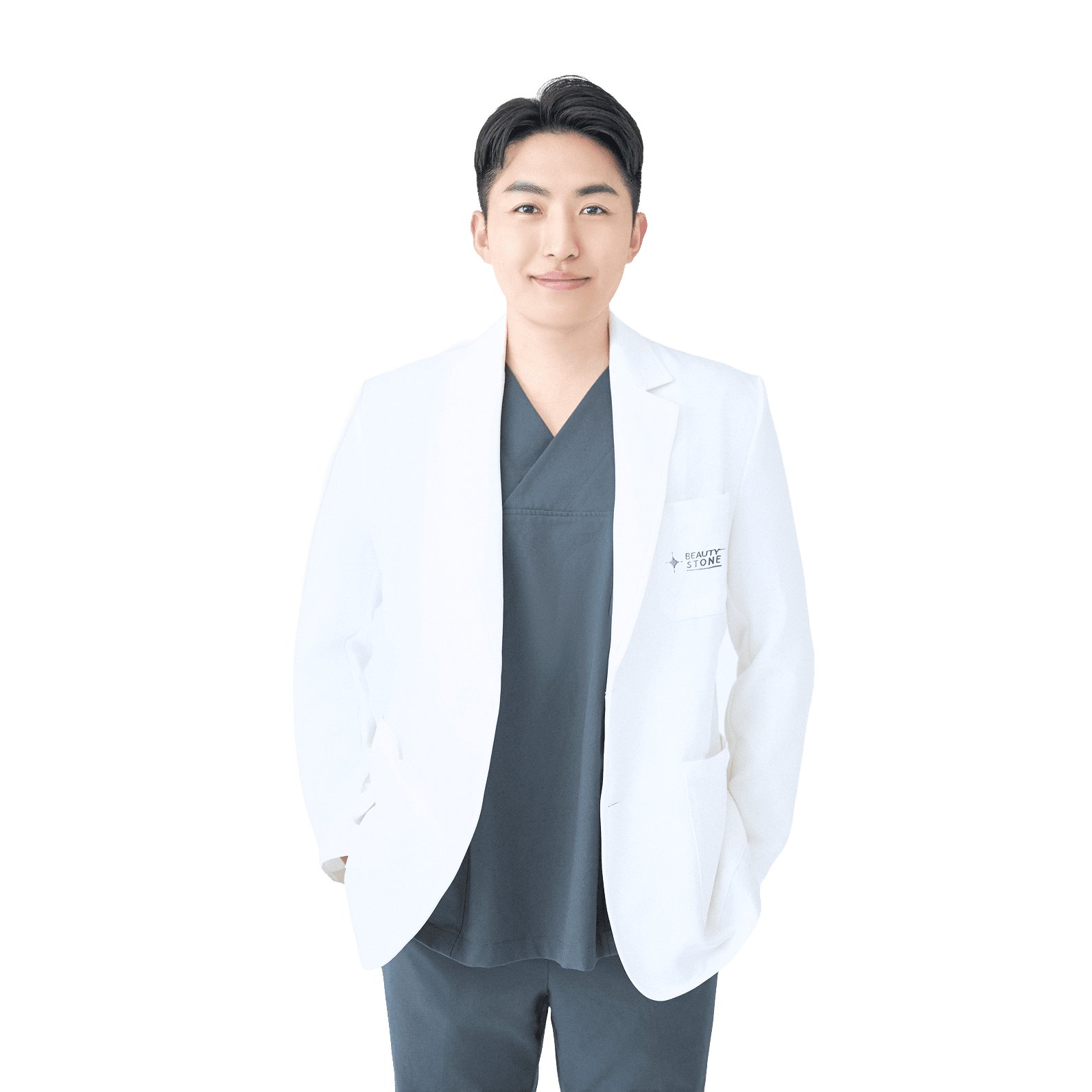
Author
Wi Young-jin · Chief director
Seoul National University College of Medicine · Seoul National University Hospital Specialist
→
CureJet: One Session vs Package,
A candid comparison of cost, number of sessions, and total price
Please check this before reading
Q. Is it a loss to get CureJet at a cheap place?
A. Not necessarily.
But there’s a trap if you only look at the 'per-session price.'
The amount of medication used at once and the number of areas
are the real variables in the price.
Q. Is the package really a better deal?
A. It depends on the case. It’s a good deal for people who will go 4 times or more,
but for those who’ll finish in 1–2 sessions, it can actually be a loss.
These days, we get several CureJet price inquiries
a day.
"Hospital A says 150,000 won, but Hospital B says
300,000 won. Is it the same procedure?"
That kind of question. To be honest,
it is the same procedure.
But there’s a reason the price differs by
a factor of two.
Let me explain that today.
CureJet is not all the same
CureJet is a jet injection treatment that delivers medication into the skin
without needles by spraying it in.
Unlike conventional MTS or stamp methods, CureJet
shoots medication in at about 200 m/s, so
it can deliver medication to the dermis without needle marks.
That part is all the same.
But what makes the price vary is determined by 'what medication, how much,
and where' it is injected.
Why does the same CureJet treatment cost
twice as much?
Director Wi Young-jin's key insight
We compared the one-time CureJet price and package cost,
as well as differences between clinics, in a reasonable way
You may be surprised to hear this.
Last week, a 49-year-old woman came in.
She had received one CureJet session at another clinic for 120,000 won,
and came in saying she wasn’t sure she felt the effect.
The chart showed the answer.
At that price, only 1 cc of medication had been used.
CureJet usually needs 2–3 cc for the whole face
so that enough spray points are distributed.
1 cc is only enough to cover part of both cheeks and that’s it.
So when looking at price, what matters more than "how much per session" is
"how many cc are included."
If you don’t ask this, it’s easy to overpay.
Another thing: the type of medication also greatly affects the price.
Depending on what’s mixed in among things like Rejuran HB, exosomes, PDRN-based products, and Botox skin,
the base cost itself changes.
In my clinic, pure CureJet
(saline + a small amount of medication) is in the 150,000–200,000 won range per session,
and if we mix in Rejuran HB or exosomes,
it goes to 250,000–400,000 won per session.
Even if it carries the same CureJet name, the actual
medication cost can differ by two to three times,
so it’s natural for the price to be different.
Director Wi Young-jin's key takeaway
When comparing CureJet prices, don’t look only at the per-session rate.
"What type of medication is it, and how many cc are included?"
You must ask these two things.
If the 120,000-won option is 1 cc and the 250,000-won option is 3 cc,
the 250,000-won one is actually more reasonable.
So should I go with one session,
or a package?
Here’s a table summary.
Type | Recommendation | Estimated cost |
For first-timers who want to see the effect before deciding | One standalone session | 150,000–300,000 won range |
Before a wedding/event short-term glow | 2–3 session short-term package | 400,000–800,000 won range |
In your 30s–40s aiming for firmness and fine wrinkles too | 4–5 session standard package | 800,000–1,500,000 won range |
Maintenance phase | Once every 2–3 months | 200,000–300,000 won per session |
It varies by case,
but this is how I usually recommend it.
Rather than a package always being a bargain,
first decide how many sessions you’re likely to do.
But this isn’t always ideal.
Some people buy a package and then, after 1–2 sessions, say "it’s not that great"
and stop going.
It’s good to check the refund policy in advance,
and if it’s your first time, it’s enough to try 1–2 standalone sessions
and then decide.
Three things clients ask all the time,
answered honestly
Q1. What’s different about the 50,000-won, 90,000-won
CureJet deals posted online?
This is a bit tricky—the price range is usually
a first-visit event deal or a bait price.
When you go, it may turn out that only 0.5 cc of medication is used,
or the area is limited to both cheeks,
or at checkout
they ask, "Would you like to add this medication too?"
and options get added,
eventually pushing it into the 200,000-won range.
I understand being drawn to the advertised price,
but be sure to check during the consultation
how much you’ll actually pay.
And people ask this a lot too.
Q2. If I get a 4-session package,
do I get 4 times the effect?
Honestly,
about half of people say "Oh, nice" after 1–2 sessions.
Around the third session, many people begin to notice it themselves
when looking in the mirror.
CureJet is a treatment where collagen remodeling accumulates,
so it usually takes up to 4 sessions for dermal changes to settle in visibly.
It’s not as much as 4 times, but there is a clear difference between
4 sessions and 1 session in how long the results last.
Last month, a 36-year-old client also felt after one session that
it was only "a bit more hydrated," but
after finishing four sessions she said, "I think I could skip makeup."u000d
Lastly, let me cover this part too.
Q3. If side effects occur,
do I have to pay extra for that?
This is something many people misunderstand.
CureJet uses no needles,
so bruising or bleeding is almost nonexistent.
However, it’s normal for tiny spray marks to remain like dots for a day or two,
or for mild redness to last half a day depending on the medication.
There is no extra cost for this.
But in rare cases, medication allergies or
small acne-like bumps can appear,
and aftercare policies differ by clinic.
Before paying for a package,
"Is soothing care included if side effects occur?"
It’s a good idea to ask this.
In the next post, I’ll go over the three things you must ask when getting
a CureJet cost estimate.
I’ll also address common price-related misconceptions
I hear in the clinic.
This was Wi Young-jin.
Read together
CureJet: One Session vs Package,
A candid comparison of cost, number of sessions, and total price
Please check this before reading
Q. Is it a loss to get CureJet at a cheap place?
A. Not necessarily.
But there’s a trap if you only look at the 'per-session price.'
The amount of medication used at once and the number of areas
are the real variables in the price.
Q. Is the package really a better deal?
A. It depends on the case. It’s a good deal for people who will go 4 times or more,
but for those who’ll finish in 1–2 sessions, it can actually be a loss.
These days, we get several CureJet price inquiries
a day.
"Hospital A says 150,000 won, but Hospital B says
300,000 won. Is it the same procedure?"
That kind of question. To be honest,
it is the same procedure.
But there’s a reason the price differs by
a factor of two.
Let me explain that today.
CureJet is not all the same
CureJet is a jet injection treatment that delivers medication into the skin
without needles by spraying it in.
Unlike conventional MTS or stamp methods, CureJet
shoots medication in at about 200 m/s, so
it can deliver medication to the dermis without needle marks.
That part is all the same.
But what makes the price vary is determined by 'what medication, how much,
and where' it is injected.
Why does the same CureJet treatment cost
twice as much?
Director Wi Young-jin's key insight
We compared the one-time CureJet price and package cost,
as well as differences between clinics, in a reasonable way
You may be surprised to hear this.
Last week, a 49-year-old woman came in.
She had received one CureJet session at another clinic for 120,000 won,
and came in saying she wasn’t sure she felt the effect.
The chart showed the answer.
At that price, only 1 cc of medication had been used.
CureJet usually needs 2–3 cc for the whole face
so that enough spray points are distributed.
1 cc is only enough to cover part of both cheeks and that’s it.
So when looking at price, what matters more than "how much per session" is
"how many cc are included."
If you don’t ask this, it’s easy to overpay.
Another thing: the type of medication also greatly affects the price.
Depending on what’s mixed in among things like Rejuran HB, exosomes, PDRN-based products, and Botox skin,
the base cost itself changes.
In my clinic, pure CureJet
(saline + a small amount of medication) is in the 150,000–200,000 won range per session,
and if we mix in Rejuran HB or exosomes,
it goes to 250,000–400,000 won per session.
Even if it carries the same CureJet name, the actual
medication cost can differ by two to three times,
so it’s natural for the price to be different.
Director Wi Young-jin's key takeaway
When comparing CureJet prices, don’t look only at the per-session rate.
"What type of medication is it, and how many cc are included?"
You must ask these two things.
If the 120,000-won option is 1 cc and the 250,000-won option is 3 cc,
the 250,000-won one is actually more reasonable.
So should I go with one session,
or a package?
Here’s a table summary.
Type | Recommendation | Estimated cost |
For first-timers who want to see the effect before deciding | One standalone session | 150,000–300,000 won range |
Before a wedding/event short-term glow | 2–3 session short-term package | 400,000–800,000 won range |
In your 30s–40s aiming for firmness and fine wrinkles too | 4–5 session standard package | 800,000–1,500,000 won range |
Maintenance phase | Once every 2–3 months | 200,000–300,000 won per session |
It varies by case,
but this is how I usually recommend it.
Rather than a package always being a bargain,
first decide how many sessions you’re likely to do.
But this isn’t always ideal.
Some people buy a package and then, after 1–2 sessions, say "it’s not that great"
and stop going.
It’s good to check the refund policy in advance,
and if it’s your first time, it’s enough to try 1–2 standalone sessions
and then decide.
Three things clients ask all the time,
answered honestly
Q1. What’s different about the 50,000-won, 90,000-won
CureJet deals posted online?
This is a bit tricky—the price range is usually
a first-visit event deal or a bait price.
When you go, it may turn out that only 0.5 cc of medication is used,
or the area is limited to both cheeks,
or at checkout
they ask, "Would you like to add this medication too?"
and options get added,
eventually pushing it into the 200,000-won range.
I understand being drawn to the advertised price,
but be sure to check during the consultation
how much you’ll actually pay.
And people ask this a lot too.
Q2. If I get a 4-session package,
do I get 4 times the effect?
Honestly,
about half of people say "Oh, nice" after 1–2 sessions.
Around the third session, many people begin to notice it themselves
when looking in the mirror.
CureJet is a treatment where collagen remodeling accumulates,
so it usually takes up to 4 sessions for dermal changes to settle in visibly.
It’s not as much as 4 times, but there is a clear difference between
4 sessions and 1 session in how long the results last.
Last month, a 36-year-old client also felt after one session that
it was only "a bit more hydrated," but
after finishing four sessions she said, "I think I could skip makeup."u000d
Lastly, let me cover this part too.
Q3. If side effects occur,
do I have to pay extra for that?
This is something many people misunderstand.
CureJet uses no needles,
so bruising or bleeding is almost nonexistent.
However, it’s normal for tiny spray marks to remain like dots for a day or two,
or for mild redness to last half a day depending on the medication.
There is no extra cost for this.
But in rare cases, medication allergies or
small acne-like bumps can appear,
and aftercare policies differ by clinic.
Before paying for a package,
"Is soothing care included if side effects occur?"
It’s a good idea to ask this.
In the next post, I’ll go over the three things you must ask when getting
a CureJet cost estimate.
I’ll also address common price-related misconceptions
I hear in the clinic.
This was Wi Young-jin.
Read together


Latest post
Latest post

Hair Removal
레이저 제모 1회에도 남는 몫이 있어요 — 밀도를 모자이크로 보는 법

Tattoo removal
Why Extremity Tattoos Are Slower to Remove

Tattoo removal
Tattoo Removal Cost: Why Quotes Vary by Area

Tattoo removal
Unused Tattoo Removal Sessions: What Happens?

Lifting
Forehead Thread Lifting: How Far Can It Go?

skin
Skin Booster Prices: What to Check in a Quote
1:1 Custom Approach
1:1 Consultation Whatsapp
🌸 Beautystone Clinic attends the Meditox Bangkok Cadaver Workshop 🌸
1:1 Custom Approach