

If jaw Botox didn't help, salivary glands may be the cause—how their Botox cuts volume.
Published -
Updated -

Author
Wi Young-jin · Chief director
Seoul National University College of Medicine · Seoul National University Hospital Specialist
→
📚 Contouring Facial Gaps & Margins · Series Contents
1. Understanding Facial Gaps
2. Gaps Created by Muscles
2.2 Salivary Gland Botox (Current Article)
3. Gaps Created by Fat
4. Designing Gaps
Have you had jaw Botox and even lost some weight, but found that the areas under your ears and jawline still look strangely thick and heavy? If you touch it and it doesn't feel like hard muscle or pinchable fat, this might be the case for you.
When this happens, you might want to look at the salivary glands. When the salivary glands enlarge, the lower face can appear wider and heavier, creating a distinctive gap that is quite different from muscle or fat.
Quick Answer: If the areas beneath your ears or jawline feel thick but are neither muscle nor fat, you may have salivary gland hypertrophy. Salivary gland Botox reduces secretion, causing the glands to shrink in size and giving you a beautifully contoured lower face.
The Gaps Created by Salivary Glands are Unique
There are two major pairs of salivary glands located in the lower face: the parotid glands* and the submandibular glands*.
* Parotid Glands (below the ears): These are the largest salivary glands, located just in front of and below the ears. When enlarged, they make the area below the ears and the sides of the cheeks look bulbous.
* Submandibular Glands (under the jaw): These salivary glands are located under the jawline. When enlarged, they make the under-jaw line look heavy and thick.
When these salivary glands enlarge due to genetics or daily habits, the area extending from below the ears to the jawline looks wider. Because it isn't caused by chewing muscles or excess fat, it usually doesn't improve with masseter Botox or fat-dissolving injections. This is why it's easy to miss the key to a slim lower face if you overlook the salivary glands.
There are several reasons why salivary glands can enlarge. It could be due to a habit of eating tough or sour foods that overstimulate the glands, frequent teeth clenching, or simply having naturally large glands. Here is a helpful tip: if the area further below or behind the masseter muscle (which clenches hard when you bite down) feels thick, you can suspect the salivary glands. The masseter muscle is at the corner of the jaw, while the salivary glands sit further down and behind it.
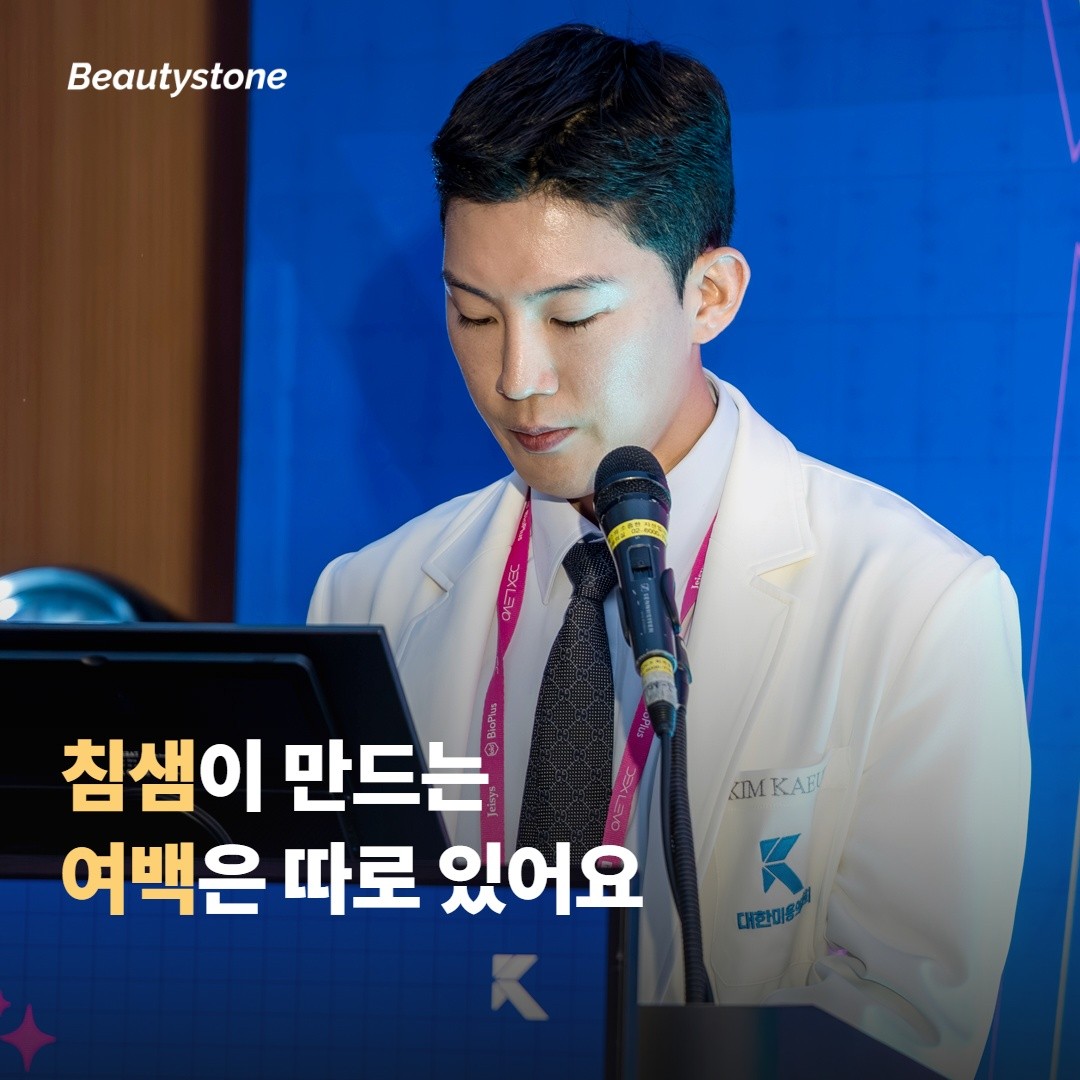
How Does Salivary Gland Botox Reduce Size?
The principle is similar to jaw Botox, yet distinct. Botox temporarily blocks nerve signals, and in the salivary glands, these signals are commands to produce saliva.
When this signal is reduced, the salivary glands stop overworking, and as a result, their volume gradually decreases. Just like when a muscle shrinks when not in use, this is a natural process where inactive tissue becomes slimmer.
The effect is not immediate and typically becomes noticeable within 4 to 8 weeks after the procedure. As the line from beneath the ears down to the jaw flows smoothly, your lower face will look beautifully slimmed.
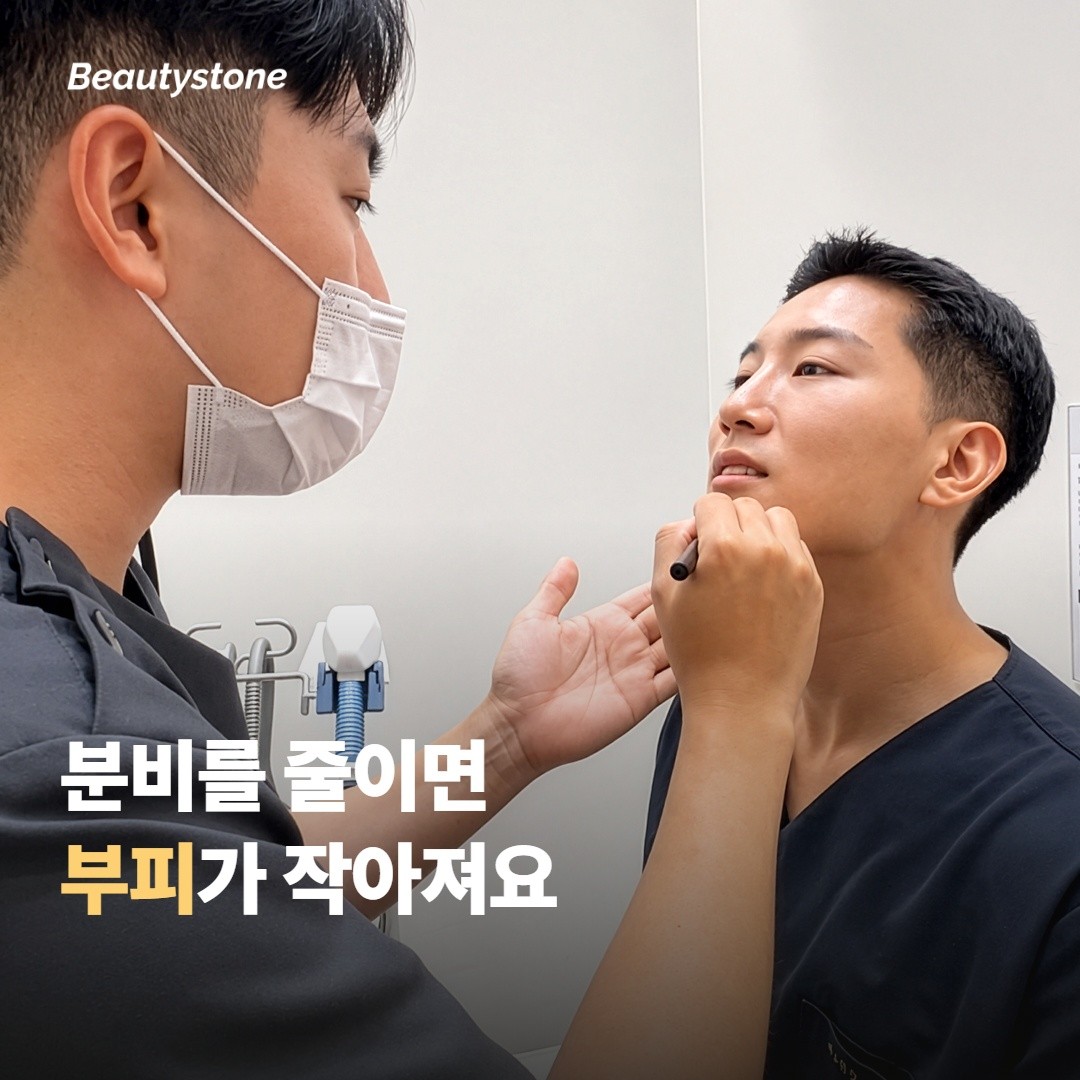
Where is it Injected, and How Long Does It Last?
The injection points for salivary gland Botox are customized according to the location of the hypertrophied glands.
Salivary Gland | Location | When Enlarged | Botox Benefit |
|---|---|---|---|
Parotid Gland | Below the ears | Bulginess below ears & side of cheeks | Slimmer line below ears |
Submandibular Gland | Under the jaw | Thick, heavy look under jaw | Sleek, refined jawline |
The results generally last for about 3 to 6 months. Many clients find that after repeating the treatment at regular intervals initially, keeping up the results becomes much easier once the glands shrink. Combining this with masseter and temporalis Botox can give you a wonderfully balanced, complete contour of the lower face.
One key detail to keep in mind is that, like muscle Botox, salivary gland Botox takes time to show results. Rather than shrinking the very next day, changes unfold over a few weeks, so we advise having a little patience and assessing the results between weeks 4 and 8.
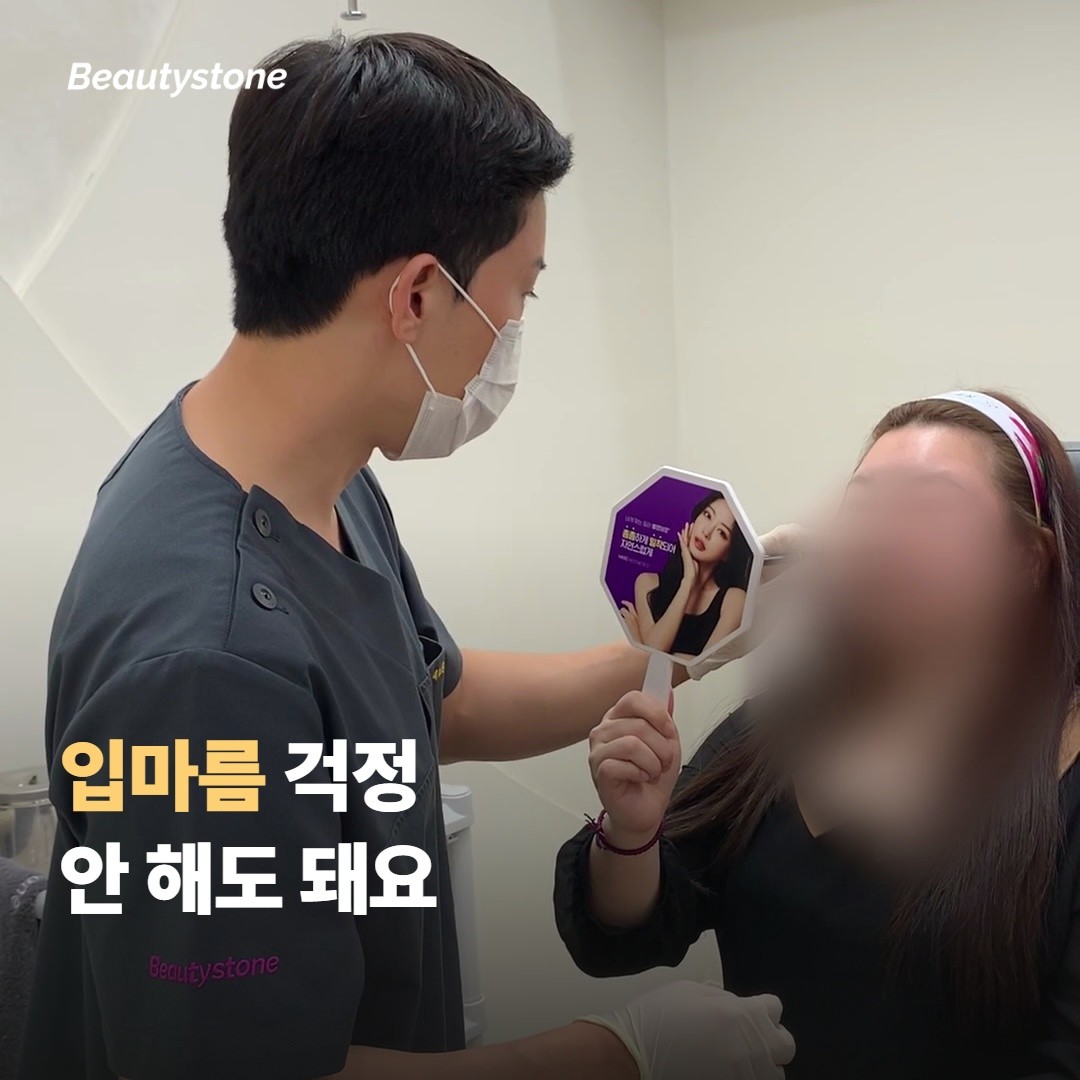
Will I Experience Dry Mouth? Key Things to Know
One of the most common questions we receive is whether salivary production will drop too much.
In addition to the main glands, there are hundreds of tiny salivary glands throughout the mouth. Therefore, with a proper, precise dosage, salivary reduction will not be enough to interfere with eating or digestion. However, because pinpointing the exact location and dosage is crucial, it must be performed with an accurate, anatomical understanding of the salivary glands. While botulinum toxin is a versatile component utilized for various areas in medical societies, gland treatments require a much more delicate touch than muscles.
Furthermore, salivary gland enlargement is not always purely cosmetic; in rare cases, it can point to other medical conditions. If only one side suddenly swells or is accompanied by pain, it is always safest to have a thorough medical examination to check the cause first. Cosmetic salivary gland Botox is only recommended when such medical causes are ruled out.
In my clinical practice, I always recommend starting with a conservative, tailored dosage and adjusting based on your response rather than injecting too much at once. Discerning exactly how much the salivary glands are contributing to your lower face contour is always step number one.

Frequently Asked Questions
Q. Won't my mouth get extremely dry after salivary gland Botox?
At the proper medical dosage, salivary production will not decrease enough to affect your daily life. There are many minor salivary glands inside the mouth that maintain baseline hydration. Precise placement and dosage are key.
Q. Can I get this along with jaw Botox?
Yes, it is very commonly combined with masseter and temporalis Botox. Since muscles and salivary glands are different anatomical structures, addressing both simultaneously—if both are present—creates a beautifully harmonious lower face contour.
Q. Are the results permanent?
A single treatment is not permanent and lasts about 3 to 6 months. For many clients, repeating the procedure reduces the gland size, making the intervals between sessions longer. If you stop treatments, they will gradually return to their original size.
Recommended Reading
Radiesse — A collagen booster that delivers beautiful, immediate volume.
Dysport works faster than other Botox options, but why should we be cautious about dependency?
How square jaw and calf Botox beautifully contour your silhouette
Juvelook Face Trio — Original, Volume, and Skin: What's the difference?


Lifting
Numbness After Ultherapy PRIME: Is It Normal?

Contouring & Volume
Sculptra Asymmetry: Why One Cheek Fills First

Lifting
Does Lowering Thermage Level Hurt Results?

skin
Why Scrubbing 'Chicken Skin' Makes It Worse

Lifting
Onda Lifting: Is Uneven Fat Loss Normal?

skin
Skin Booster at Two Months: Is the Glow Gone?