

Red, stinging skin after laser hair removal? Tell a normal reaction from a burn, avoid dark spots.
Published -
Updated -

Author
Wi Young-jin · Chief director
Seoul National University College of Medicine · Seoul National University Hospital Specialist
→
After laser hair removal, a lot of people get home, look in the mirror, and panic a little when the treated skin looks red and feels stingy. "Wait, did I just get burned?" Thinner areas like the underarms or upper lip tend to react more visibly, which only makes the worry worse.
Here's the reassuring part first: a little redness and stinging right after the treatment is a common reaction as the laser delivers heat to the hair follicles. For most people it settles within a few hours to a day. That said, how you care for your skin during this window is what decides whether you end up with pigmentation or heal cleanly, so it helps to know what to avoid and which signs to watch for. A quick rundown makes the whole thing feel a lot less stressful.
This article rounds up treatment information from Beautystone in Hapjeong.
What you'll learn from this article
How to tell whether post-treatment redness and stinging are a normal reaction
The warning signs that point to an actual burn or blistering
How to care for your skin during recovery to prevent pigmentation
When it's time to get back in touch with the clinic
Right after laser hair removal, redness and stinging are common
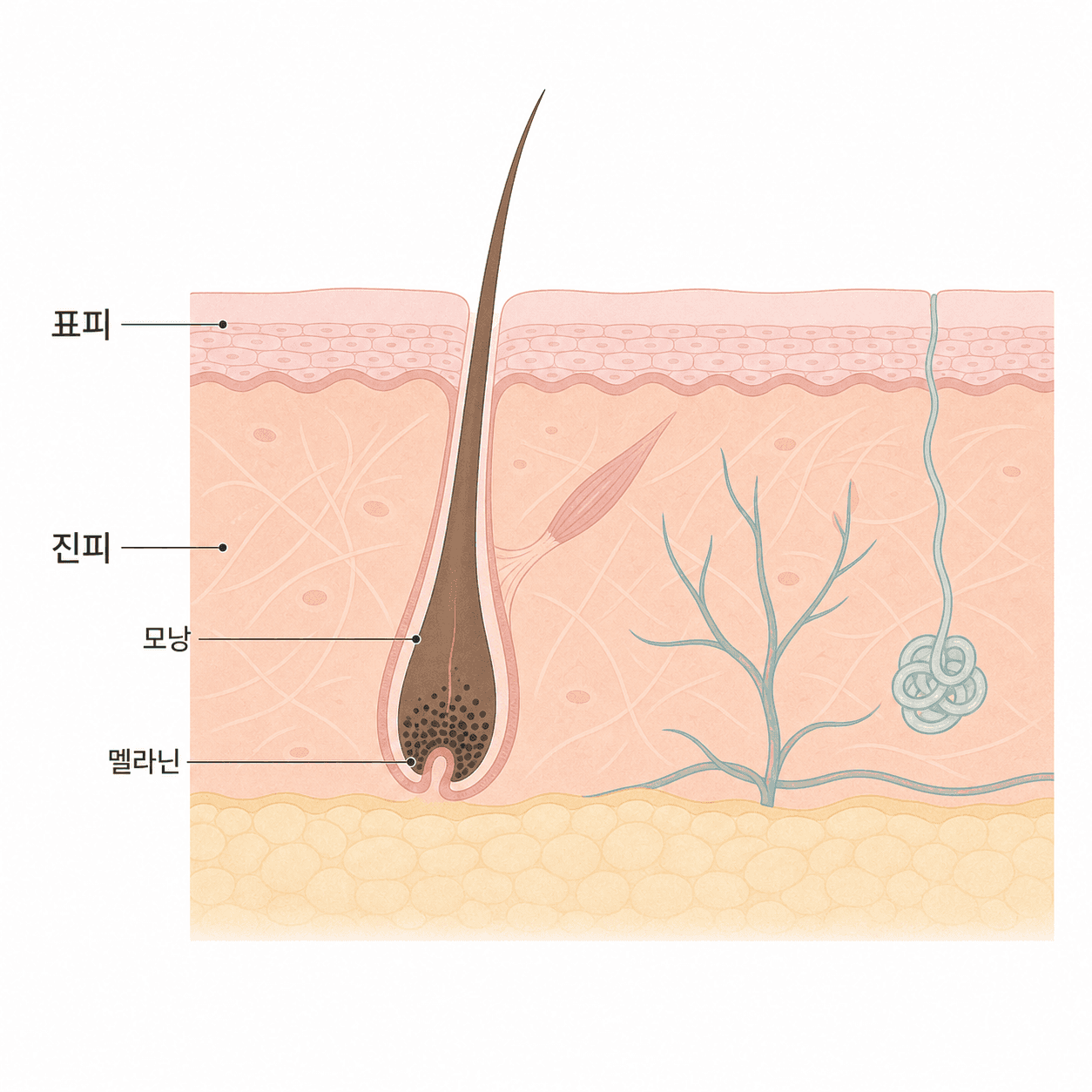
Laser hair removal works by focusing light energy on the melanin inside the hair follicle and converting it into heat, which reduces the function of the tissue that produces hair. As that heat briefly spreads to the surrounding skin, you get redness, mild swelling, and a slightly raised, puffy look around the pores right after treatment.
hair follicle*: the small, pouch-shaped structure in the skin that hair grows from. Laser hair removal delivers heat to this follicle to reduce hair production.
melanin*: the pigment that gives skin and hair their color. The laser reacts to this pigment and generates heat, and when the skin is irritated, melanin can temporarily increase and show up as pigmentation.
These reactions usually fade within a few hours, and at most they calm down in about a day. The laser hair removal guide from the American Academy of Dermatology also classifies one to three days of discomfort, swelling, and redness after treatment as common. On the day of your treatment, gently pressing a cool damp cloth or a cold pack wrapped in a towel against the area helps take the heat down a notch.

How do you tell a burn-like reaction from an actual burn?
Mild redness and a true burn can look similar at first, but they part ways as time goes on. A common reaction fades the longer you wait, while a burn or blister actually gets more defined and the pain lingers. Here's how it breaks down sign by sign.
Sign | Common reaction | Sign to watch for |
|---|---|---|
Redness | Fades within a few hours to a day | Deepens even after 2-3 days |
Stinging | Gradually eases the same day | Turns into a throbbing pain |
Skin surface | Stays smooth | Develops blisters, oozing, or scabs |
Color change | Returns to its original tone | Leaves brown or white blotches |
If you notice any of the signs in the right-hand column, reach out to the clinic that treated you before reaching for an ointment on your own. Blisters in particular are safest left intact rather than popped, which helps prevent scarring. The risk of these reactions goes up if you had the treatment on sun-exposed skin or stepped into strong UV right afterward, so it's best to avoid tanning before and after.

What matters most in recovery to prevent pigmentation?
The thing people worry about most after hair removal is the brown marks, also known as post-inflammatory hyperpigmentation*. When UV exposure piles on top of already-irritated skin, melanin can be overproduced and leave a mark behind. So recovery care really comes down to two things: reducing irritation and blocking UV.
post-inflammatory hyperpigmentation*: brown pigment that's left behind after skin inflammation or irritation settles. In most cases it gradually fades over time.
UV protection — from the day after treatment, apply SPF 30 or higher thoroughly and reapply every 2-3 hours
Moisturizing — go light with gentle, soothing, hydrating products to support your skin barrier
Avoid hot exposure — give saunas, jjimjilbang, and hot showers a rest for about 3-4 days
Reduce friction — skip body scrubbing, exfoliating scrubs, and tight clothing for about a week
Sweat and exercise — put off intense workouts for 2-3 days, and gently pat away any sweat
Even when laser-irritated skin is left with a deep brown mark, most cases recover over time, much like this case report of pigmentation after laser hair removal fading with proper care and treatment. That said, neglecting UV care slows recovery down, so during this window a sunscreen habit is your most dependable shield.
Why Beautystone in Hapjeong?
At Beautystone in Hapjeong, we tend to map out your recovery flow based on your own skin tone and condition first, rather than focusing only on the hair removal procedure itself. Even at the same setting, the reaction varies with how much your skin has been exposed to the sun and whether you tend to pigment easily, so we walk you through ahead of time which signs are common reactions and which ones are worth a second look. As a small clinic within walking distance of Hapjeong Station, we're able to watch each person's pace of skin recovery and decide on the timing of the next session together.

Signs to call the clinic about, and when to book your next session
Most reactions settle naturally within a few days, but if you notice the following signs, it's safest to talk it over with the medical team that treated you. Here's how the redness and stinging of recovery typically taper off over time.
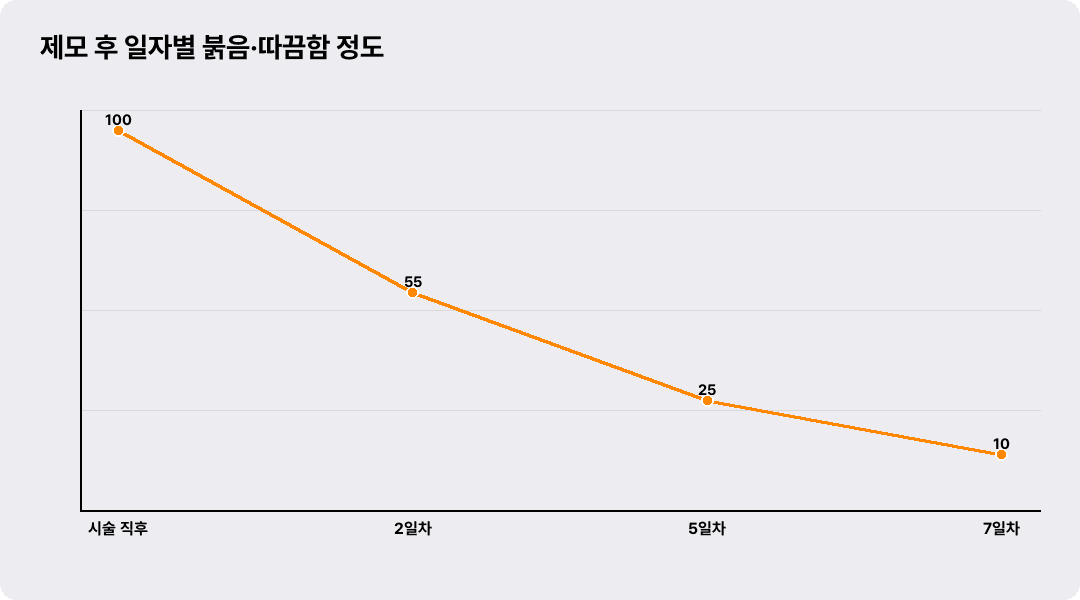
If blisters form or the skin is oozing — this could be a burn that needs treatment
If the pain doesn't ease and keeps getting worse
If the treated area turns yellow and festers, or comes with heat or a fever — this is a sign of possible infection
If a dark brown or white blotch is still there after two weeks
The next session is usually spaced about 4-6 weeks apart, but it's safest to go in only after your skin has fully calmed down. Adding more heat while redness or pigmentation is still present can let the irritation build up. The results tend to show up gradually over several sessions rather than all at once, and recovery speed and outcomes differ from person to person. This article rounds up general information, so for whether the treatment is right for you and how to handle recovery, it's safest to decide together with the medical team who treats you directly.

GentleMax Pro Plus hair removal treatment details
This month: GentleMax Pro Plus
Frequently asked questions
Q. Can I shower on the day of my hair removal?
A. A light shower with lukewarm water is fine. Just avoid hot water, strong jets, and scrubbing with an exfoliating cloth. Use a gentle, mildly acidic soap and, instead of rubbing the treated area, pat it dry softly. It's safest to give saunas and long hot baths a rest for about 3-4 days.
Q. The redness has lasted a few days. Is that okay?
A. Depending on the area and your skin condition, redness can sometimes last 2-3 days. If it's fading the longer time goes on, that's within the common range. But if it actually deepens or comes with blisters or oozing, there's a chance of a burn, so reach out to the clinic that treated you. During this window, pairing cold compresses with moisturizing and UV protection helps recovery along.
Q. I've got a brown mark left behind. Will it go away?
A. Post-inflammatory hyperpigmentation usually fades gradually over time. But continued UV exposure slows recovery, so keep applying sunscreen consistently. If the mark is still there after a few months, you can talk with your treating medical team about additional care options. Rather than dabbing on a brightening ointment on your own, it's safest to consult first.
Q. When's a good time for my next hair removal session?
A. Usually about 4-6 weeks apart. That's because you need several sessions, timed to the hair's growth cycle, for the effect to add up. But if redness or pigmentation is still present, it's safest to push it back until your skin has fully calmed down. It's a good idea to watch your own recovery pace and set the timing with your medical team.





skin
Fraxel CO2: Why Prices Vary & What to Check

skin
How to Choose an Acne Dermatologist: 5 Signs

Contouring & Volume
Nasolabial Folds: When Lifting Isn't Enough

skin
Sculptra Cost: Why Sessions and Vials Matter

Lifting
After Shurink Universe: Wash, Work Out & Drink

skin
Sofwave Before a Wedding: Timing Guide