

Brown marks after laser are usually PIH. How UV drives it and how to block it by week.
Published -
Updated -

Author
Wi Young-jin · Chief director
Seoul National University College of Medicine · Seoul National University Hospital Specialist
→
It is disconcerting to finish a laser session, watch a dark spot lighten, and then see a new brown mark come up in its place. You went in to clear something and the colour looks deeper than before; every glance in the mirror gets a little heavier, and the worry that it might never go starts to settle in.
Short answer: that mark is usually pigmentation linked to ultraviolet light, and how you spend the days to weeks after treatment can largely prevent it. Add UV to a skin barrier that a laser has temporarily weakened and melanin is produced in excess, but blocking the light well cuts that chain down considerably.
Advice like "just stay indoors after laser" circulates with the timing stripped out, so setting out what to do and when tends to settle the nerves.
This is general information from Beautystone, a skin clinic in Hapjeong, Seoul.
What you'll learn
Why UV so readily causes pigmentation after laser
How to handle sun protection stage by stage
How to choose sunscreen and reapply it properly
How to tell an ordinary colour change from a reason to call
Why UV causes pigmentation after laser
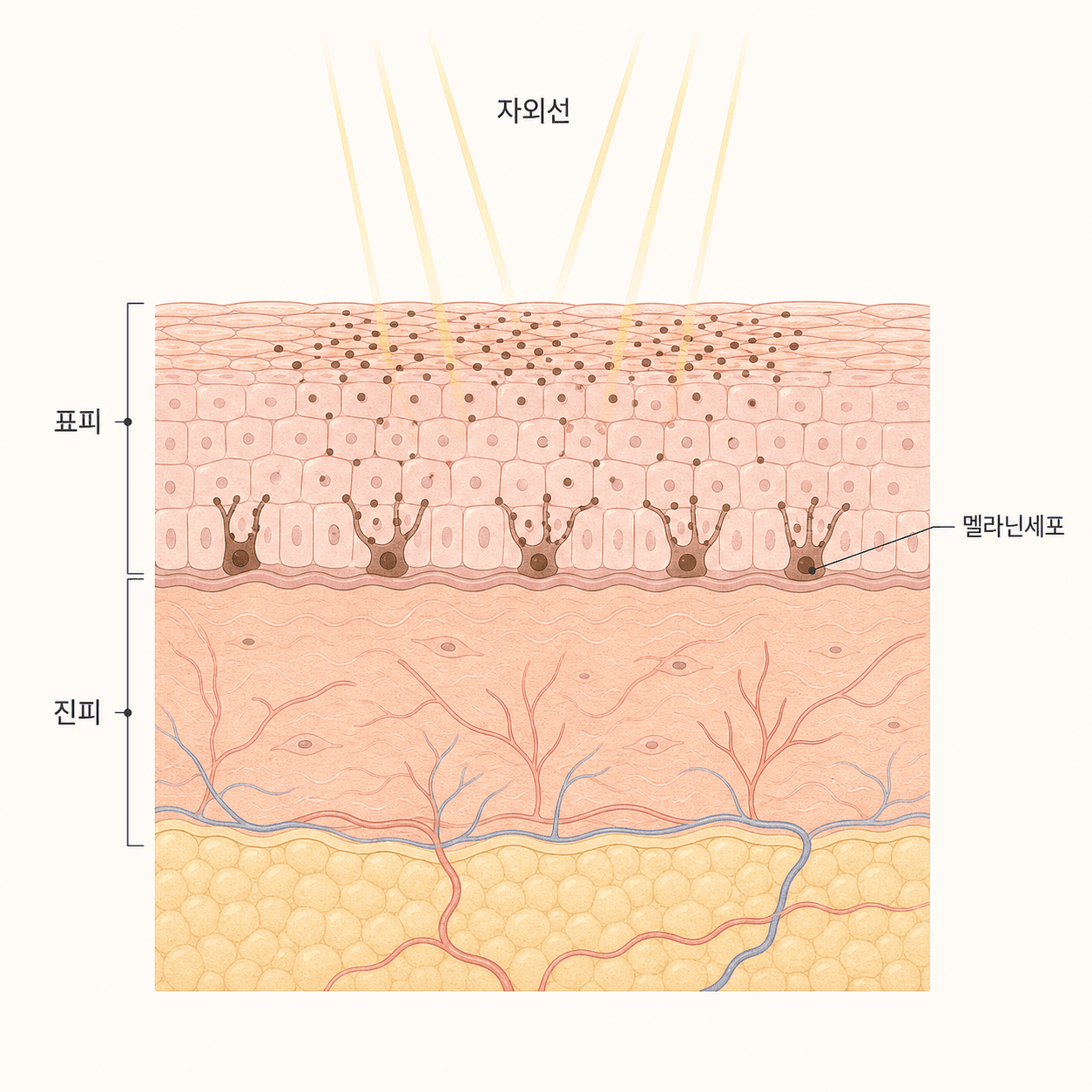
A laser applies heat to a target such as pigment or vessels inside the skin, which leaves the barrier at the surface temporarily weakened. When ultraviolet light hits at that point, the skin defends itself by making more melanin*. The problem is that the area has already been stressed, so the melanin does not spread evenly; it gathers in one place and stays as a brown mark. That is post-inflammatory hyperpigmentation, usually shortened to PIH.
Melanin*: the brown pigment that determines skin colour and shields skin from ultraviolet light. It is produced in greater quantity in response to stress.
PIH*: the brown mark left when melanin builds up excessively at a site stressed by a procedure or by inflammation. The full name is post-inflammatory hyperpigmentation.
An explanation of how post-inflammatory hyperpigmentation follows a procedure or inflammation through excess melanin production, and how sun exposure makes the colour deeper and longer-lasting shows exactly why sun protection gets emphasised so heavily. Deeper skin tones tend to develop these marks more readily, which makes aftercare all the more worth planning.

What happens if you skip sun protection
Take UV straight onto skin right after a laser and the first few days often look uneventful, with the mark then deepening gradually over one to two weeks. It does not come up dark from the start; it settles in slowly, which is why plenty of people relax, then notice only once the colour has set. Seeing how the pigment beds in over time makes the pattern easier to read.
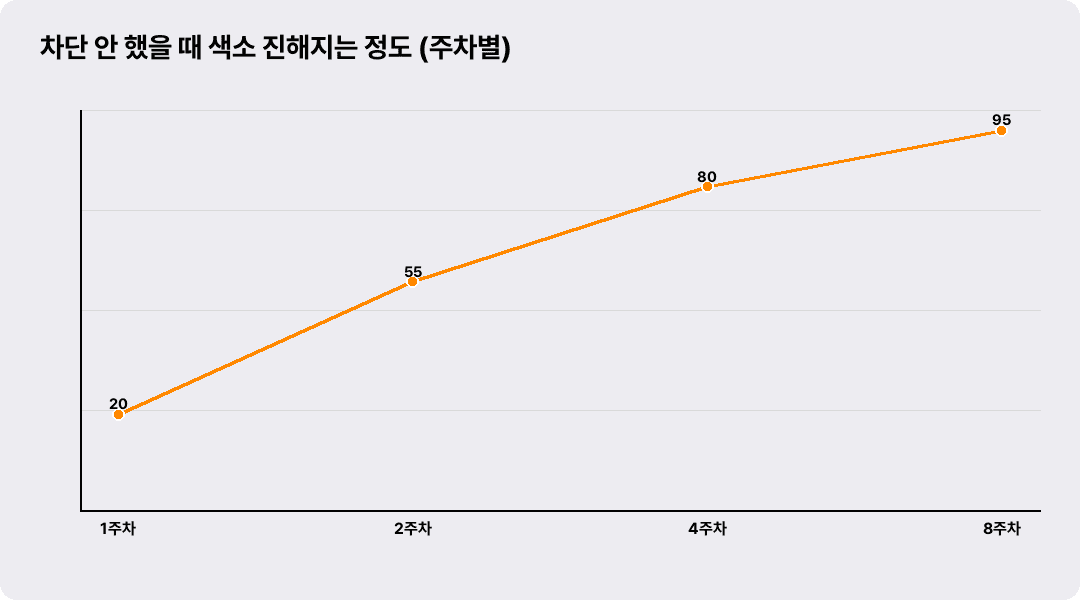
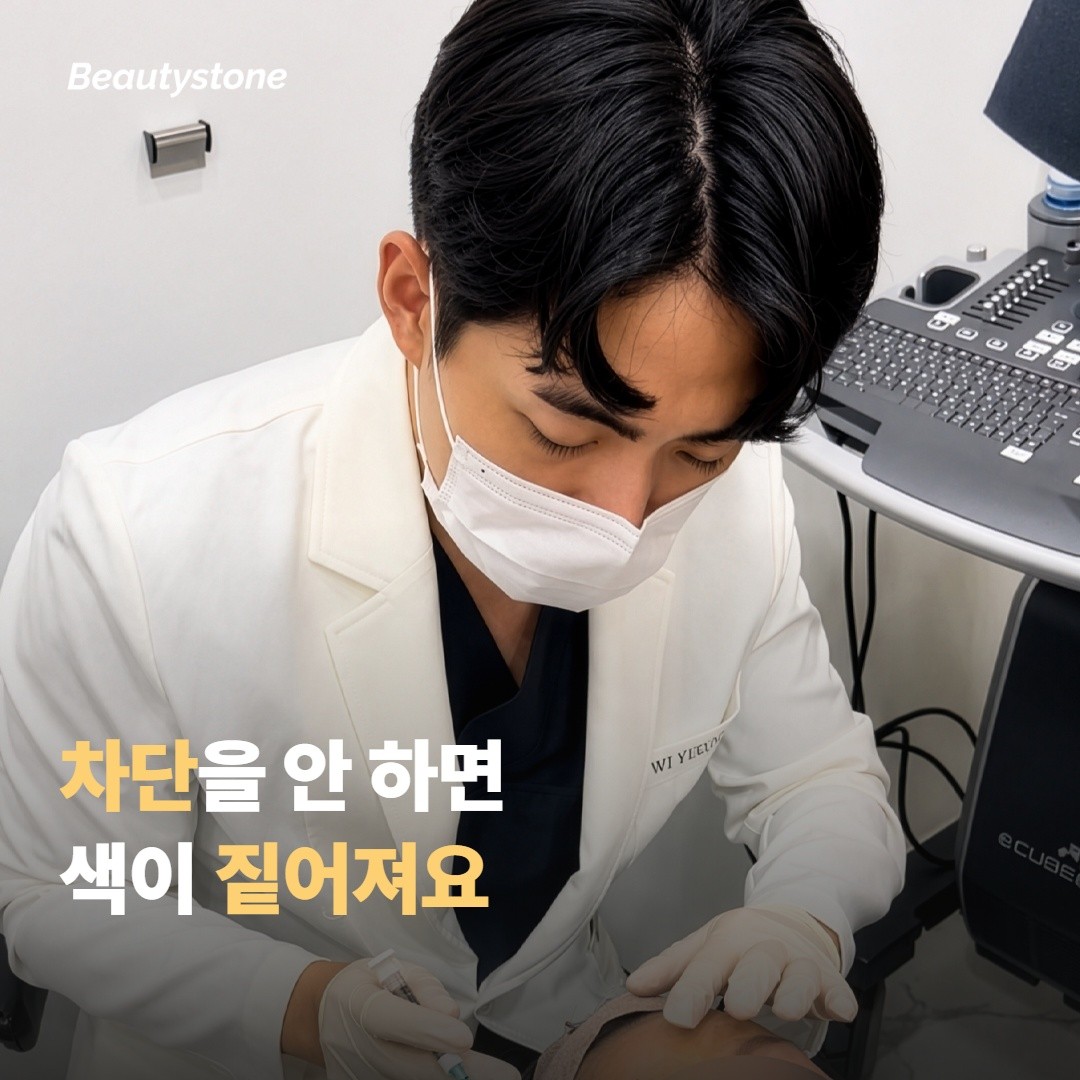
Once pigment has settled in darkly it can take months to lighten again. So rather than fighting to remove colour after the fact, it is far less work to block ultraviolet during the vulnerable window and keep it from forming. Individual results vary. Because UV comes through on cloudy days and through windows indoors, a habit of covering up after treatment regardless of the weather helps.
Sun protection, stage by stage
What to do shifts a little as the days pass. The broad rule is to shield with low-irritation methods right after treatment and move to active sunscreen use once the area has settled. Sunscreen only performs as labelled when the SPF is high enough, the amount is generous and it goes back on often. Stage by stage, here is the plan.
Stage | Worth doing | Worth avoiding |
|---|---|---|
Straight after, and that day | Avoid sun with a hat, a parasol and staying indoors | Applying a harsh sunscreen immediately |
Days 1 to 3 | A thin layer of gentle, low-irritation sunscreen | Long stretches outdoors at midday |
Days 4 to 7 | Plenty of high-SPF sunscreen, reapplied every two to three hours | Rubbing it in hard |
After two weeks | Keep protecting; return to outdoor activity gradually | Strong exfoliation over pigmented areas |
Sunscreen is not a once-a-day job; sweat and time wear it down, so reapply every two to three hours if you are out for a while. Applying too little leaves you with far less protection than the label suggests, so spread it generously across the whole face. If the treated area is still reactive, start with a gentle formula, and check with the clinician who treated you about which product suits it.
Why where you have it done still matters
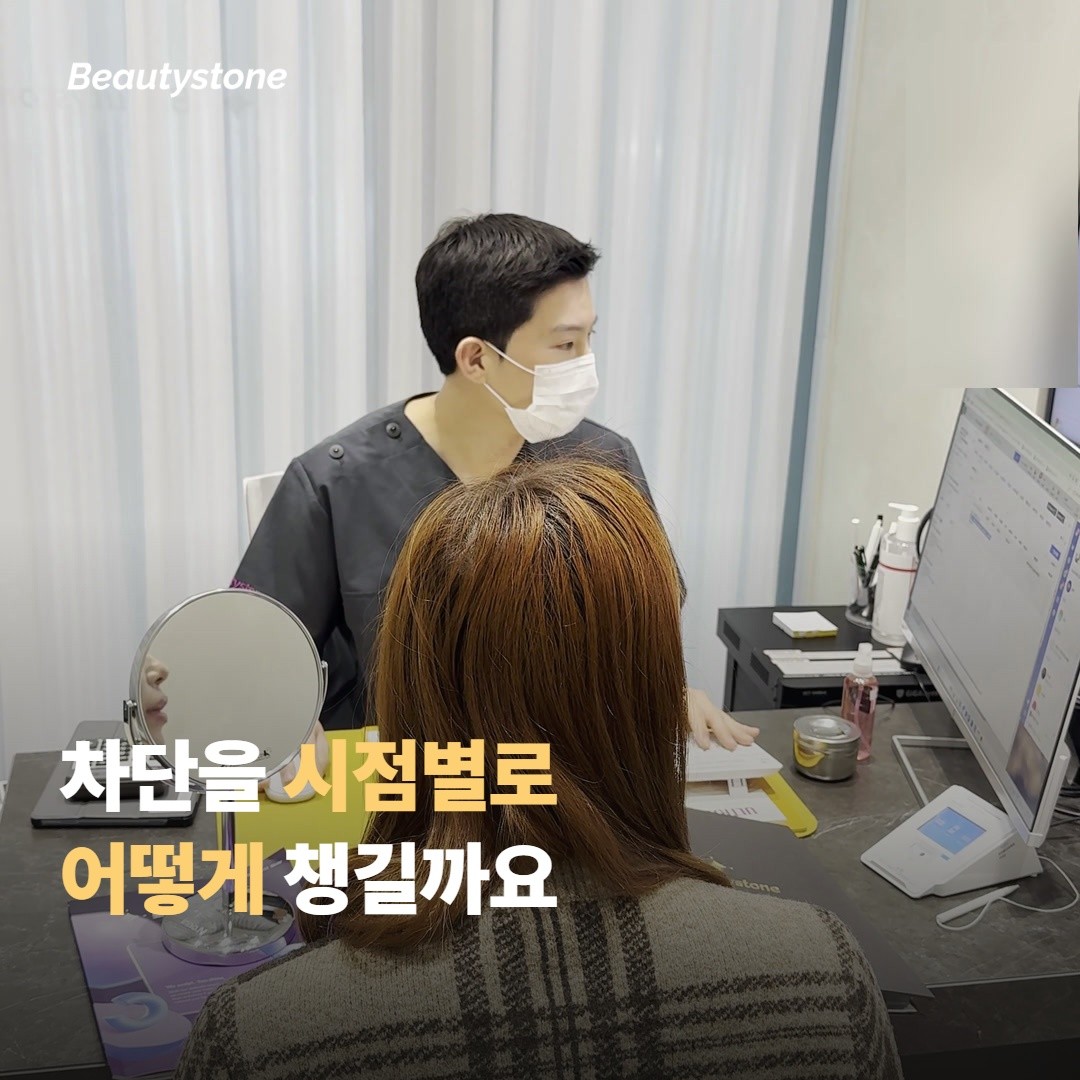
At Beautystone we tend to ask whether your skin pigments easily and how much of your life is spent outdoors before recommending a laser. The same treatment carries a different pigmentation risk depending on skin type and daily routine, and flagging that beforehand takes the surprise out of it. We are a small clinic within walking distance of Hapjeong Station in Seoul, so there is time to walk each person through how to handle sun protection right after treatment and which colour changes are the expected reaction. If you were treated while travelling, ask how the clinic handles questions after you fly home and keep a provider near you in mind for anything that needs an in-person look.
Normal colour change versus signs that need a call
The faint colour changes that show up in the days after a laser are mostly part of ordinary healing. The following sit comfortably in the usual range.
The treated area darkening slightly, then lightening — this goes with crusting and is expected
Mild redness or stinging — usually settles within a few days
Dryness and slight itching — that is the barrier repairing
These, on the other hand, are worth raising with the clinician who treated you.
A mark that keeps widening, deepening and setting in — this can signal photoaging* or pigmentation taking hold
Weeping, or burning with redness spreading outwards — this can signal infection, so contact your provider right away or seek urgent care
A dent or colour change after a crust was picked off
Colour that has barely lightened after several weeks
Photoaging*: the accumulation of pigmentation, wrinkles and loss of firmness from long-term ultraviolet exposure. Sun protection slows it.
Pigmentation is mostly something good sun protection prevents or keeps mild, though the arc differs a little by skin type and by the kind of laser used. This is general information, so whether your own colour change sits in the normal range, and what to do about it, is safest settled with the clinician who examined you.

Frequently asked questions
Q. When can I start using sunscreen after a laser?
A. It depends on the state of the treated area, but once irritation has settled and the surface is stable, starting with a gentle formula is the way in. For the first few days after treatment it is safer to avoid the sun itself with a hat or a parasol rather than reaching for sunscreen, and to apply high-SPF product generously once the area has settled. For the exact timing, ask the clinician who treated you.
Q. Do I need sun protection on cloudy days or indoors?
A. Yes. Ultraviolet passes through cloud to reach the skin, and it comes through windows indoors as well. In the vulnerable window after a laser, even small amounts can drive pigmentation, so a habit of protecting regardless of weather or location helps. If you are out for a while, reapply every two to three hours.
Q. I already have pigmentation. Is sun protection still worth it?
A. Yes. Continued ultraviolet exposure deepens the pigment you have and lengthens how long it takes to fade. Protecting consistently stops the colour getting darker and supports the pace of recovery. Whether you need further treatment to lighten the pigment is worth settling with the clinician who treated you.
Q. Is sunscreen alone enough to prevent pigmentation?
A. Sunscreen is the single most important basic, but it only performs properly when the amount and the reapplication frequency are sufficient. Add fewer outings in the strongest part of the day, leaving crusts alone rather than picking them, and not rubbing the treated area, and the combination goes a long way towards preventing pigmentation.
Content





skin
Why Does Fractional CO2 Take Longer to Heal?

Contouring & Volume
How Many cc Does Forehead Filler Need?

skin
Why Is My Skin Oily but Tight in the Fall?

Hair Removal
Underarm Laser Hair Removal Cost: Do the Math

Tattoo removal
Laser Before a Cover-Up: How Many Sessions?

skin
큐어젯 다운타임, 다음 날 출근과 화장은 언제부터 될까요?