• BeautysDoctor Hongdae Beautystone Clinic
  • BeautysDoctor Hongdae Beautystone Clinic
  • BeautysDoctor Hongdae Beautystone Clinic
  • BeautysDoctor Hongdae Beautystone Clinic

How long does small tattoo removal actually take?

How long does small tattoo removal actually take?

How long does small tattoo removal actually take?

Small tattoos take more than a few days. Key facts on sessions, area precautions, and aftercare.

Can a small tattoo be removed cleanly in just a few days?

์ž‘์€ ํƒ€ํˆฌ ํ•˜๋‚˜, ๋ฉฐ์น ์ด๋ฉด ๊นจ๋—ํ•˜๊ฒŒ ์ง€์›Œ์งˆ๊นŒ?

When a moment like a job interview, wedding photos, or a military physical suddenly comes up and you wish that little tattoo on the inside of your wrist or behind your ear would just disappear from view, it can weigh on your mind first. If you search online, you may see reviews saying, "Pico can clear it up in just a few days," while others say, "Even line tattoos take surprisingly long." Which is true?


Bottom line. Even a small tattoo does not disappear in a matter of days. Even the simplest black line tattoo usually needs an average of 5 to 10 treatment sessions, and because there is a recovery period between sessions, it typically takes 6 months to 1 year. If you go in thinking, "Letโ€™s get rid of it by next weekend," you may be off track from the very first consultation.

Before your consultation, letโ€™s clear up a few of the most common misunderstandings first.

Let go of the expectation that โ€œitโ€™s small, so one or two sessions should be enoughโ€

Even a small tattoo has ink embedded in the dermis* of the skin. The dermis is a thicker layer beneath the epidermis, so once pigment enters it, the body must slowly absorb and remove it. The laserโ€™s role is only to break the pigment into smaller particles; after that, immune cells take over the absorption.

That is why you need about 4 to 6 weeks of recovery time between sessions. Even a single 1 cm line of text usually needs 6 to 10 sessions before it fades to the point of being barely visible. Altogether, it becomes a journey of roughly 6 months to a year. The wish to "finish it all at once" is one of the most common places where expectations are broken during the first consultation.

Dermis: the thick layer just beneath the skin surface. This is why pigment that enters it does not come out easily.
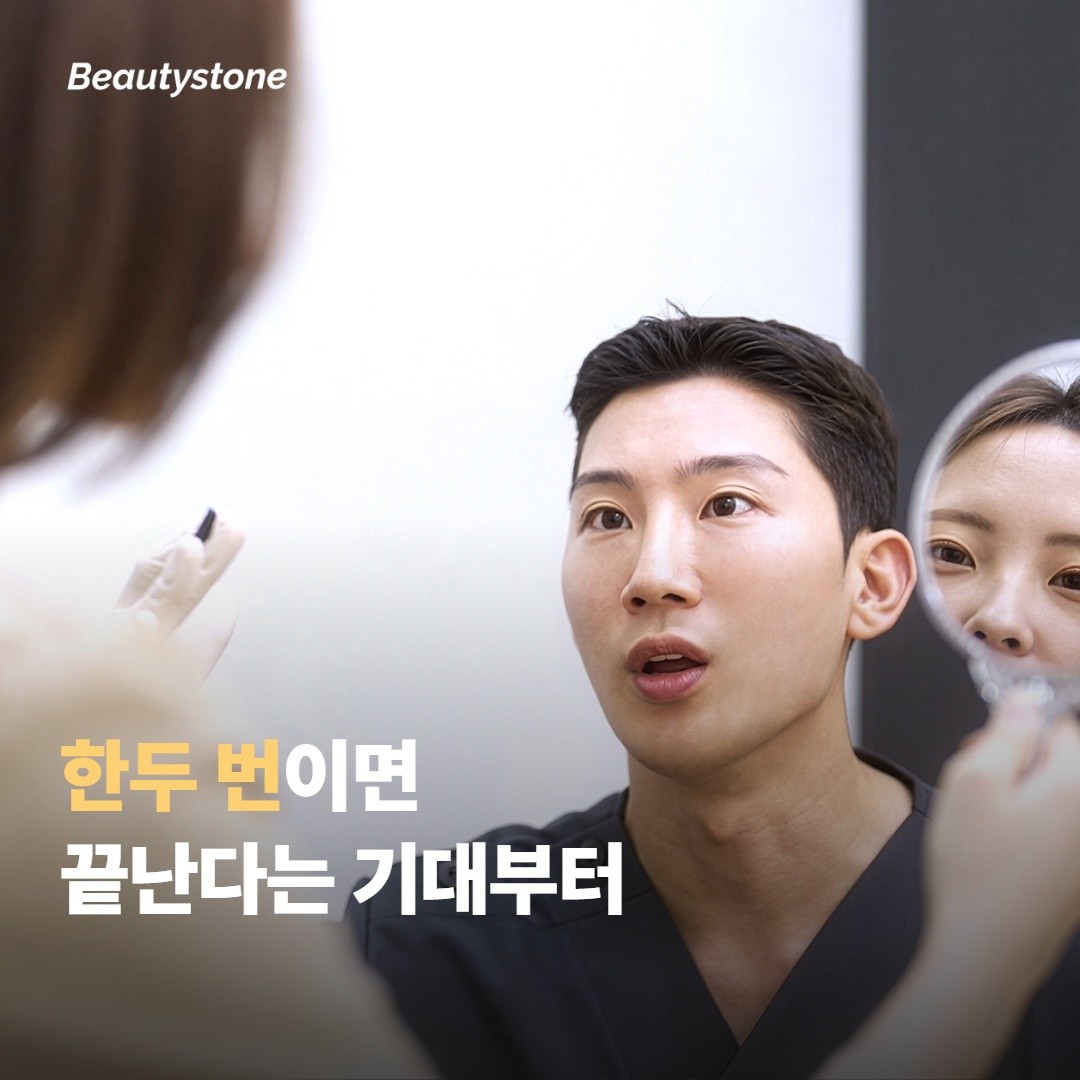
์ž‘์€๋ฐ ํ•œ๋‘ ๋ฒˆ์ด๋ฉด ๋˜๊ฒ ์ง€๋ผ๋Š” ๊ธฐ๋Œ€๋ถ€ํ„ฐ ํ’€์–ด์ฃผ์„ธ์š”

Why the number of sessions can differ even for the same black ink

Black ink is the easiest color to remove, but the results can vary greatly depending on the type of ink and when the tattoo was done. A black tattoo that was done 5 to 10 years ago may have already faded somewhat, so the number of sessions can be shorter, while a recent, densely inked black tattoo usually needs more accumulated treatments.

In particular, pico lasers, which use short pulses to break pigment into tiny particles, can produce different results even for the same black ink depending on the size of the ink particles. Larger particles break down more easily in a single session, while finer particles require multiple sessions before the tattoo becomes less visible. Even for the same lettering, the ink used is a key factor that determines the number of sessions needed.
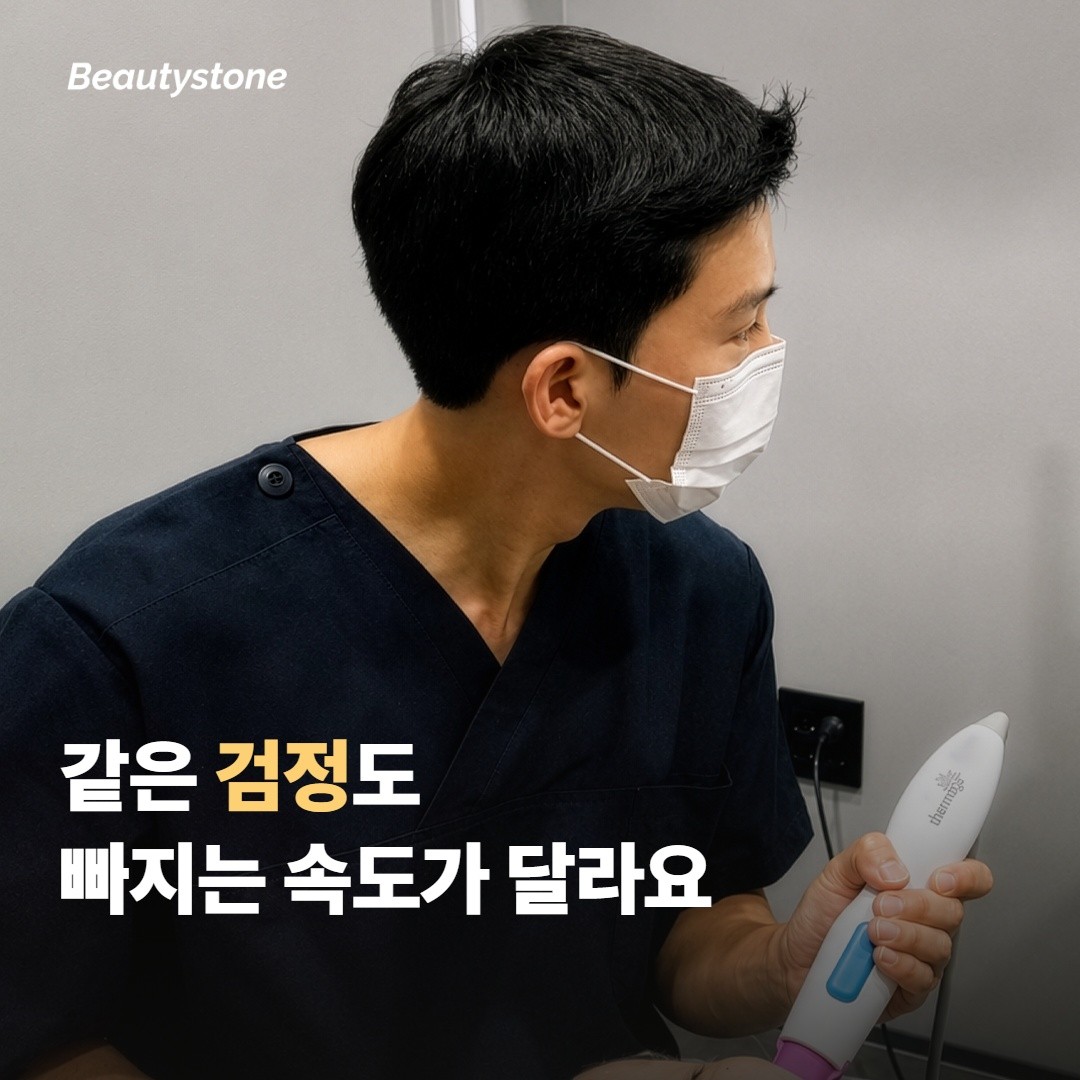
๊ฐ™์€ ๊ฒ€์ •์ด๋ผ๋„ ์‹œ์ˆ  ํšŸ์ˆ˜๊ฐ€ ๋‹ค๋ฅธ ์ด์œ ๊ฐ€ ์žˆ์–ด์š”

Thin-skin areas like the wrist, ankle, neck, and behind the ear require extra care

Even if the lettering is the same size, tattoos on the wrist, ankle, neck, or behind the ear are more delicate than those on the back or inner arm. These areas have thinner skin and blood vessels closer to the surface, so although pigment removal progresses at a similar pace, the risk of post-treatment pigmentation* or scarring is slightly higher during recovery.

In particular, areas that are often exposed to sunlight, such as the inside of the wrist, can retain a darker mark after treatment if you do not protect them from UV rays. Asian skin tends to develop this kind of pigmentation more easily. This is why the results can look different by area even when the same number of sessions is used.

Post-inflammatory hyperpigmentation (PIH): a change in which an irritated area of skin remains darker for a period of time. It is more common in Asian skin.
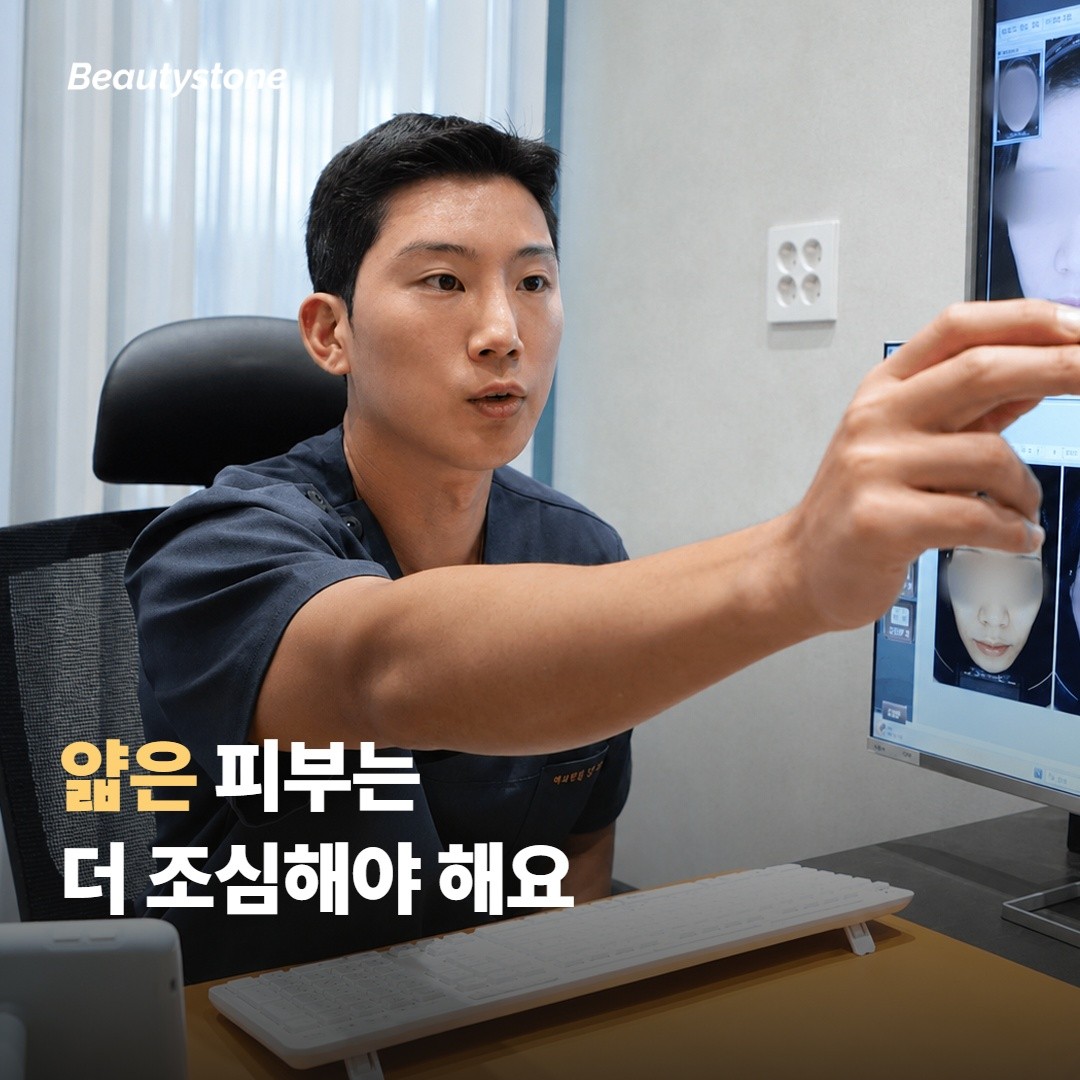
์†๋ชฉยท๋ฐœ๋ชฉยท๋ชฉ์ฒ˜๋Ÿผ ์–‡์€ ํ”ผ๋ถ€๋Š” ๋” ์กฐ์‹ฌ์Šค๋Ÿฌ์›Œ์š”

The first 24 hours after treatment are the turning point for scarring

More than the laser procedure itself, the first 24 hours of care determine the outcome for scarring. Right after treatment, small blisters or pinpoint bleeding may appear, and if you intentionally pop or touch them, the risk of scarring increases.

If a scab forms, the safest approach is to leave it alone until it falls off naturally. It usually comes off within 7 to 14 days, and the area may look pink before gradually returning to your surrounding skin tone over a few months. During the first 24 hours after treatment, cool the area gently, and during the recovery period, do not skip sunscreen or a regenerating cream. Scarring is determined less in the treatment room and more by the week of care that follows.

์‹œ์ˆ  ํ›„ 24์‹œ๊ฐ„์ด ํ‰ํ„ฐ๋ฅผ ๊ฐ€๋ฅด๋Š” ๋ถ„๊ธฐ์ ์ด์—์š”

Three things to check during your consultation

First, ask what device and wavelength they use. Black and deep blue are treated with 1064 nm, while red and orange use 532 nm, so the wavelength used depends on the color. In a clinic with only one wavelength available, some colors may never fully clear.

Second, check whether they have experience with small-size tattoos. A clinic that has only treated large tattoos and one that frequently performs precision treatments on tattoos under 1 cm will make different diagnostic decisions from the start. Finally, make sure they are not just giving you a quote for one or two sessions, but also mapping out a 6-month to 1-year plan with you. Tattoo removal for small tattoos is closer to a marathon, so you need a medical team that can pace you along the way to get you to the finish.

This article summarizes general information, and actual diagnosis and treatment planning are safest when decided with a doctor who has directly examined your skin condition and the depth of the tattoo.

Frequently asked questions

Q. Can it at least be made lighter in one or two sessions?

A. If the color is light and the area is small, yes, but a dark black line will not show a major change in just 1 or 2 sessions. Usually, 3 to 4 sessions are needed before the first noticeable change appears.

Q. What is the chance of a scar remaining?

A. It is influenced more by aftercare than by the procedure itself. Picking off scabs or exposing the area to sunlight increases the risk of pigmentation and scarring. Korean skin is more prone to developing pigmentation.

Q. Is it okay to switch to another clinic in the middle?

A. Yes, but it is best to bring records of the device, wavelength, and treatment intensity used so far. The medical team should continue with the same standards so the color fades evenly and does not look patchy.


Read also

Can a small tattoo be removed cleanly in just a few days?

์ž‘์€ ํƒ€ํˆฌ ํ•˜๋‚˜, ๋ฉฐ์น ์ด๋ฉด ๊นจ๋—ํ•˜๊ฒŒ ์ง€์›Œ์งˆ๊นŒ?

When a moment like a job interview, wedding photos, or a military physical suddenly comes up and you wish that little tattoo on the inside of your wrist or behind your ear would just disappear from view, it can weigh on your mind first. If you search online, you may see reviews saying, "Pico can clear it up in just a few days," while others say, "Even line tattoos take surprisingly long." Which is true?


Bottom line. Even a small tattoo does not disappear in a matter of days. Even the simplest black line tattoo usually needs an average of 5 to 10 treatment sessions, and because there is a recovery period between sessions, it typically takes 6 months to 1 year. If you go in thinking, "Letโ€™s get rid of it by next weekend," you may be off track from the very first consultation.

Before your consultation, letโ€™s clear up a few of the most common misunderstandings first.

Let go of the expectation that โ€œitโ€™s small, so one or two sessions should be enoughโ€

Even a small tattoo has ink embedded in the dermis* of the skin. The dermis is a thicker layer beneath the epidermis, so once pigment enters it, the body must slowly absorb and remove it. The laserโ€™s role is only to break the pigment into smaller particles; after that, immune cells take over the absorption.

That is why you need about 4 to 6 weeks of recovery time between sessions. Even a single 1 cm line of text usually needs 6 to 10 sessions before it fades to the point of being barely visible. Altogether, it becomes a journey of roughly 6 months to a year. The wish to "finish it all at once" is one of the most common places where expectations are broken during the first consultation.

Dermis: the thick layer just beneath the skin surface. This is why pigment that enters it does not come out easily.

์ž‘์€๋ฐ ํ•œ๋‘ ๋ฒˆ์ด๋ฉด ๋˜๊ฒ ์ง€๋ผ๋Š” ๊ธฐ๋Œ€๋ถ€ํ„ฐ ํ’€์–ด์ฃผ์„ธ์š”

Why the number of sessions can differ even for the same black ink

Black ink is the easiest color to remove, but the results can vary greatly depending on the type of ink and when the tattoo was done. A black tattoo that was done 5 to 10 years ago may have already faded somewhat, so the number of sessions can be shorter, while a recent, densely inked black tattoo usually needs more accumulated treatments.

In particular, pico lasers, which use short pulses to break pigment into tiny particles, can produce different results even for the same black ink depending on the size of the ink particles. Larger particles break down more easily in a single session, while finer particles require multiple sessions before the tattoo becomes less visible. Even for the same lettering, the ink used is a key factor that determines the number of sessions needed.

๊ฐ™์€ ๊ฒ€์ •์ด๋ผ๋„ ์‹œ์ˆ  ํšŸ์ˆ˜๊ฐ€ ๋‹ค๋ฅธ ์ด์œ ๊ฐ€ ์žˆ์–ด์š”

Thin-skin areas like the wrist, ankle, neck, and behind the ear require extra care

Even if the lettering is the same size, tattoos on the wrist, ankle, neck, or behind the ear are more delicate than those on the back or inner arm. These areas have thinner skin and blood vessels closer to the surface, so although pigment removal progresses at a similar pace, the risk of post-treatment pigmentation* or scarring is slightly higher during recovery.

In particular, areas that are often exposed to sunlight, such as the inside of the wrist, can retain a darker mark after treatment if you do not protect them from UV rays. Asian skin tends to develop this kind of pigmentation more easily. This is why the results can look different by area even when the same number of sessions is used.

Post-inflammatory hyperpigmentation (PIH): a change in which an irritated area of skin remains darker for a period of time. It is more common in Asian skin.

์†๋ชฉยท๋ฐœ๋ชฉยท๋ชฉ์ฒ˜๋Ÿผ ์–‡์€ ํ”ผ๋ถ€๋Š” ๋” ์กฐ์‹ฌ์Šค๋Ÿฌ์›Œ์š”

The first 24 hours after treatment are the turning point for scarring

More than the laser procedure itself, the first 24 hours of care determine the outcome for scarring. Right after treatment, small blisters or pinpoint bleeding may appear, and if you intentionally pop or touch them, the risk of scarring increases.

If a scab forms, the safest approach is to leave it alone until it falls off naturally. It usually comes off within 7 to 14 days, and the area may look pink before gradually returning to your surrounding skin tone over a few months. During the first 24 hours after treatment, cool the area gently, and during the recovery period, do not skip sunscreen or a regenerating cream. Scarring is determined less in the treatment room and more by the week of care that follows.

์‹œ์ˆ  ํ›„ 24์‹œ๊ฐ„์ด ํ‰ํ„ฐ๋ฅผ ๊ฐ€๋ฅด๋Š” ๋ถ„๊ธฐ์ ์ด์—์š”

Three things to check during your consultation

First, ask what device and wavelength they use. Black and deep blue are treated with 1064 nm, while red and orange use 532 nm, so the wavelength used depends on the color. In a clinic with only one wavelength available, some colors may never fully clear.

Second, check whether they have experience with small-size tattoos. A clinic that has only treated large tattoos and one that frequently performs precision treatments on tattoos under 1 cm will make different diagnostic decisions from the start. Finally, make sure they are not just giving you a quote for one or two sessions, but also mapping out a 6-month to 1-year plan with you. Tattoo removal for small tattoos is closer to a marathon, so you need a medical team that can pace you along the way to get you to the finish.

This article summarizes general information, and actual diagnosis and treatment planning are safest when decided with a doctor who has directly examined your skin condition and the depth of the tattoo.

Frequently asked questions

Q. Can it at least be made lighter in one or two sessions?

A. If the color is light and the area is small, yes, but a dark black line will not show a major change in just 1 or 2 sessions. Usually, 3 to 4 sessions are needed before the first noticeable change appears.

Q. What is the chance of a scar remaining?

A. It is influenced more by aftercare than by the procedure itself. Picking off scabs or exposing the area to sunlight increases the risk of pigmentation and scarring. Korean skin is more prone to developing pigmentation.

Q. Is it okay to switch to another clinic in the middle?

A. Yes, but it is best to bring records of the device, wavelength, and treatment intensity used so far. The medical team should continue with the same standards so the color fades evenly and does not look patchy.


Read also

  • BeautysDoctor Hongdae Beautystone Clinic
  • BeautysDoctor Hongdae Beautystone Clinic
  • BeautysDoctor Hongdae Beautystone Clinic
  • BeautysDoctor Hongdae Beautystone Clinic

Latest post

Latest post

20๋Œ€๋ถ€ํ„ฐ 50๋Œ€๊นŒ์ง€, ์—ฐ๋ น๋Œ€๋ณ„ ๋ฆฌํ”„ํŒ… ์‹œ์ˆ ์€ ์–ธ์ œ ์–ด๋–ค ๊ฒƒ๋ถ€ํ„ฐ ์‹œ์ž‘ํ•˜๋ฉด ์ข‹์„๊นŒ์š”?

Lifting

20๋Œ€๋ถ€ํ„ฐ 50๋Œ€๊นŒ์ง€, ์—ฐ๋ น๋Œ€๋ณ„ ๋ฆฌํ”„ํŒ… ์‹œ์ˆ ์€ ์–ธ์ œ ์–ด๋–ค ๊ฒƒ๋ถ€ํ„ฐ ์‹œ์ž‘ํ•˜๋ฉด ์ข‹์„๊นŒ์š”?

๋ฆฌํ”„ํŒ… ์‹œ์ž‘ ์‹œ์ ์€ ๋‚˜์ด๋ณด๋‹ค ํ”ผ๋ถ€ ์‹ ํ˜ธ๊ฐ€ ๊ธฐ์ค€์ด์—์š”. ์—ฐ๋ น๋Œ€๋ณ„ ๋กœ๋“œ๋งต๊ณผ ๋ฐฉ์‹์„ ๊ณ ๋ฅด๋Š” ๊ธฐ์ค€, ํ”ํ•œ ์˜คํ•ด๊นŒ์ง€ ์งš์–ด๋ด์š”.

๋ˆˆ๋‘๋ฉ์ด ๋ฌด๊ฒ๊ณ  ๋ˆˆ์น์ด ์ฒ˜์ ธ ๋ณด์ผ ๋•Œ, ์ด๋งˆยท๋ˆˆ์น ์ดˆ์ŒํŒŒ ๋ฆฌํ”„ํŒ…์ด ๋„์›€์ด ๋ ๊นŒ์š”?

Contouring & Volume

๋ˆˆ๋‘๋ฉ์ด ๋ฌด๊ฒ๊ณ  ๋ˆˆ์น์ด ์ฒ˜์ ธ ๋ณด์ผ ๋•Œ, ์ด๋งˆยท๋ˆˆ์น ์ดˆ์ŒํŒŒ ๋ฆฌํ”„ํŒ…์ด ๋„์›€์ด ๋ ๊นŒ์š”?

๋ฌด๊ฑฐ์šด ๋ˆˆ๋งค์˜ ์›์ธ์ด ๋ˆˆ์นยท์ด๋งˆ ์ฒ˜์ง์ผ ๋•Œ, ์ดˆ์ŒํŒŒ ๋ฆฌํ”„ํŒ…์˜ ์›๋ฆฌ์™€ ์–ด์šธ๋ฆฌ๋Š” ๊ฒฝ์šฐ, ํšŒ๋ณต ์‹ ํ˜ธ์™€ ํšจ๊ณผ ์‹œ์ ์„ ํ•จ๊ป˜ ์ •๋ฆฌํ•œ ์•ˆ๋‚ด์˜ˆ์š”.

๋ชฉ์ฃผ๋ฆ„๊ณผ ํ๋ ค์ง„ ๋„ฅ๋ผ์ธ์ด ํ•จ๊ป˜ ์‹ ๊ฒฝ ์“ฐ์ผ ๋•Œ, ๊ณ ์ฃผํŒŒ ๋ฆฌํ”„ํŒ…์€ ์–ด๋–ค ๋„์›€์ด ๋ ๊นŒ์š”?

Lifting

๋ชฉ์ฃผ๋ฆ„๊ณผ ํ๋ ค์ง„ ๋„ฅ๋ผ์ธ์ด ํ•จ๊ป˜ ์‹ ๊ฒฝ ์“ฐ์ผ ๋•Œ, ๊ณ ์ฃผํŒŒ ๋ฆฌํ”„ํŒ…์€ ์–ด๋–ค ๋„์›€์ด ๋ ๊นŒ์š”?

๋ชฉ์ฃผ๋ฆ„๊ณผ ๋„ฅ๋ผ์ธ ํ๋ ค์ง์˜ ์›์ธ๋ถ€ํ„ฐ ๊ณ ์ฃผํŒŒ ๋ฆฌํ”„ํŒ…์˜ ์ž‘์šฉ ์›๋ฆฌ, ์ฃผ๋ฆ„ ์œ ํ˜•๋ณ„ ์ ‘๊ทผ๊ณผ ํšŒ๋ณต ์‹ ํ˜ธ๊นŒ์ง€ ์ •๋ฆฌํ•œ ์•ˆ๋‚ด์˜ˆ์š”.

๊ด€์ž๋†€์ด์™€ ์ด๋งˆ๊ฐ€ ๊บผ์ ธ ๋ณด์ด๊ธฐ ์‹œ์ž‘ํ•  ๋•Œ, ์ฅฌ๋ฒ ๋ฃฉ ๋ณผ๋ฅจ์€ ์–ด๋–ค ๋„์›€์ด ๋  ์ˆ˜ ์žˆ์„๊นŒ์š”?

Contouring & Volume

๊ด€์ž๋†€์ด์™€ ์ด๋งˆ๊ฐ€ ๊บผ์ ธ ๋ณด์ด๊ธฐ ์‹œ์ž‘ํ•  ๋•Œ, ์ฅฌ๋ฒ ๋ฃฉ ๋ณผ๋ฅจ์€ ์–ด๋–ค ๋„์›€์ด ๋  ์ˆ˜ ์žˆ์„๊นŒ์š”?

๊ด€์ž๋†€์ดยท์ด๋งˆ ๊บผ์ง์˜ ์›์ธ๊ณผ ์ฅฌ๋ฒ ๋ฃฉ ๋ณผ๋ฅจ์ด ์ฝœ๋ผ๊ฒ์„ ์œ ๋„ํ•ด ์„œ์„œํžˆ ์ฑ„์šฐ๋Š” ์›๋ฆฌ, ์–ด๋–ค ๊ฒฝ์šฐ์— ์–ด์šธ๋ฆฌ๋Š”์ง€ ๊ธฐ์ค€๊ณผ ํšŒ๋ณต ์‹ ํ˜ธ๋ฅผ ์ •๋ฆฌํ•œ ์•ˆ๋‚ด์˜ˆ์š”.

์˜จ๋‹ค ๋งˆ์ดํฌ๋กœ์›จ์ด๋ธŒ๋Š” ์…€๋ฃฐ๋ผ์ดํŠธ์—๋„ ๋„์›€์ด ๋ ๊นŒ์š”, ์ง€๋ฐฉ๊ณผ ๊ฒฐํ•ฉ์กฐ์ง์— ์–ด๋–ป๊ฒŒ ์ž‘์šฉํ• ๊นŒ์š”?

Body

์˜จ๋‹ค ๋งˆ์ดํฌ๋กœ์›จ์ด๋ธŒ๋Š” ์…€๋ฃฐ๋ผ์ดํŠธ์—๋„ ๋„์›€์ด ๋ ๊นŒ์š”, ์ง€๋ฐฉ๊ณผ ๊ฒฐํ•ฉ์กฐ์ง์— ์–ด๋–ป๊ฒŒ ์ž‘์šฉํ• ๊นŒ์š”?

์˜จ๋‹ค ๋งˆ์ดํฌ๋กœ์›จ์ด๋ธŒ๋Š” ๊นŠ์€ ์ง€๋ฐฉ๊ณผ ์„ฌ์œ  ๊ฒฐํ•ฉ์กฐ์ง์„ ๋ฐ์›Œ ์ฝœ๋ผ๊ฒ์„ ๋ฆฌ๋ชจ๋ธ๋งํ•˜๋Š” ๋ฐฉ์‹์ด์—์š”. ๋ฆฌํ”„ํŒ…๊ณผ ์…€๋ฃฐ๋ผ์ดํŠธ ๊ฐœ์„ ์ด ๋…ธ๋ฆฌ๋Š” ์ธต์˜ ์ฐจ์ด์™€ ํšŒ๋ณต ๋ฐ˜์‘์„ ์ •๋ฆฌํ–ˆ์–ด์š”.

์  ํ‹€๋งฅ์Šค ์ œ๋ชจ ํ›„ ๋ชจ๋‚ญ์—ผ, ์™œ ์ƒ๊ธฐ๊ณ  ์–ด๋–ป๊ฒŒ ๊ด€๋ฆฌํ•˜๋ฉด ์ข‹์„๊นŒ์š”?

Hair Removal

์  ํ‹€๋งฅ์Šค ์ œ๋ชจ ํ›„ ๋ชจ๋‚ญ์—ผ, ์™œ ์ƒ๊ธฐ๊ณ  ์–ด๋–ป๊ฒŒ ๊ด€๋ฆฌํ•˜๋ฉด ์ข‹์„๊นŒ์š”?

์  ํ‹€๋งฅ์Šค ์ œ๋ชจ ํ›„ ๋ฉฐ์น  ๋’ค ์˜ฌ๋ผ์˜ค๋Š” ๋พฐ๋ฃจ์ง€๋Š” ํ„ธ์ด ๋น ์ ธ๋‚˜์˜ค๋Š” ๊ณผ์ •๊ณผ ์–ฝํžŒ ๋ชจ๋‚ญ์—ผ์ธ ๊ฒฝ์šฐ๊ฐ€ ๋งŽ์•„์š”. ํ”ํ•œ ๋ฐ˜์‘๊ณผ ๋‹ค์‹œ ๋ด์•ผ ํ•  ์‹ ํ˜ธ, ์ง‘์—์„œ ํ•˜๋Š” ๊ด€๋ฆฌ๋ฅผ ์ •๋ฆฌํ–ˆ์–ด์š”.

1:1 Custom Approach

1:1 Consultation Whatsapp

๐ŸŒธ Beautystone Clinic attends the Meditox Bangkok Cadaver Workshop ๐ŸŒธ

1:1 Custom Approach