

Seoul National U. doctor reveals if Ulthera sleep sedation is truly safe. See what to check.
Published -
Updated -

Author
Wi Young-jin · Chief director
Seoul National University College of Medicine · Seoul National University Hospital Specialist
→
5 Safety Standards for Ulthera Sedation
Hello, I'm Dr. Wi Young-jin, a Seoul National University-trained specialist at Beautystone Clinic.
Many Ulthera reviews mention how painful the procedure can be,
which is why so many people consider sedation.
But when you actually hear the words "sedation,"
you might recall news stories about accidents
and wonder, "What if something goes wrong?"
In my clinic, I often meet patients who say, "The pain scares me, but the anesthesia scares me even more."
Today, I'll address those concerns one by one
and give you an honest guide to the standards that make Ulthera sedation safe.
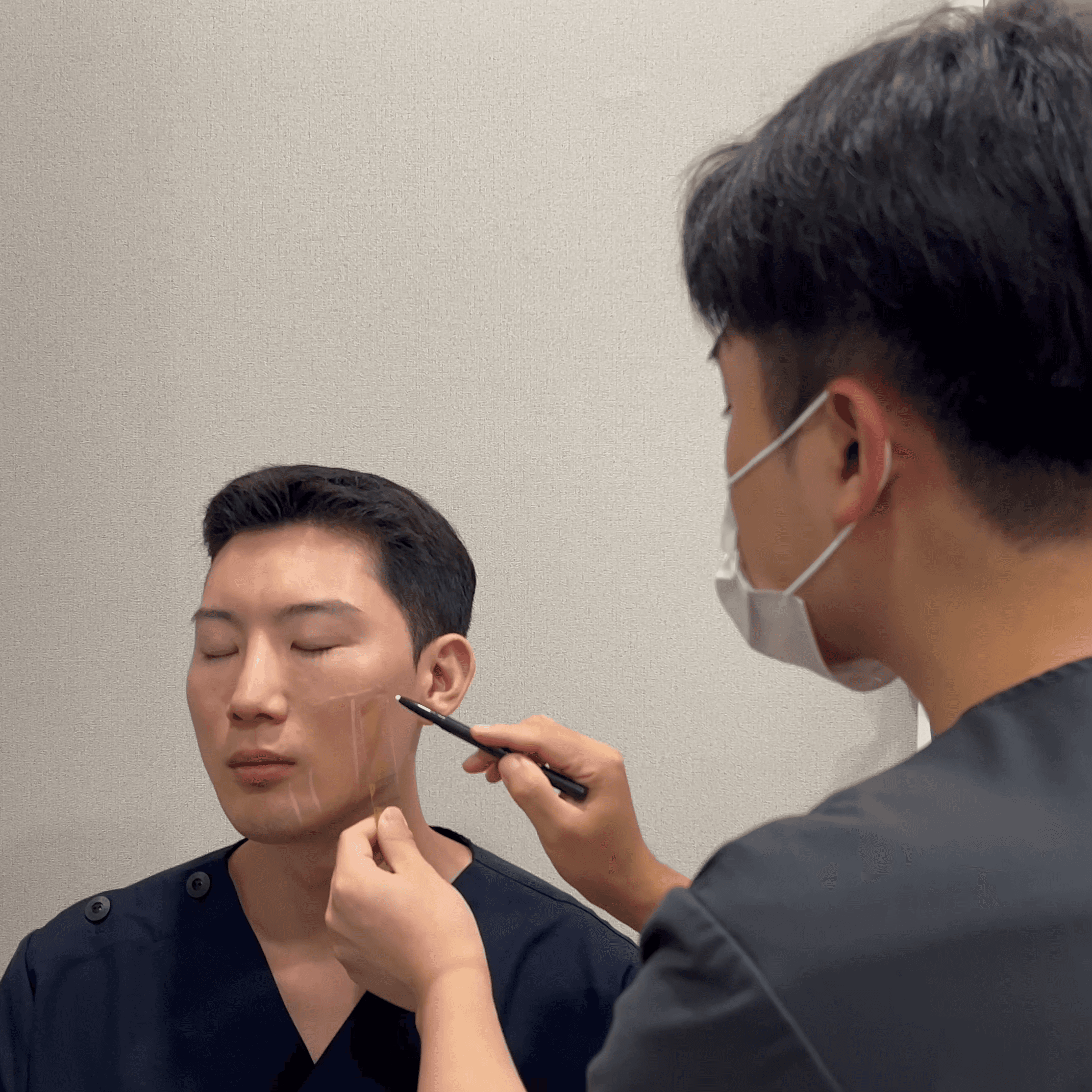
1. What Is Ulthera Sedation, and Why Is It Used?
Ultherapy delivers high-intensity focused ultrasound (HIFU)
deep into the skin to stimulate collagen regeneration for a lifting effect.
Because it works at deeper layers, the procedure can be quite painful.
For patients with high pain sensitivity,
sedation anesthesia (using propofol or midazolam-class sedatives) induces a deeply relaxed, sleep-like stateand may be used alongside the treatment.
It is not the same as general anesthesia — you don't lose consciousness completely.
You breathe on your own and remain in a deeply calm state throughout the procedure.
However, the moment a sedative is administered, this becomes a medical procedure — not just a cosmetic treatment.
A proper safety environment is absolutely required.

2. Who Is a Good Candidate for Ulthera with Sedation?
Sedation is not recommended for everyone.
It is considered for patients with high pain sensitivity, or those who experienced severe discomfort
with topical anesthetic cream alone in a previous session,
as well as those with an allergy to topical anesthetics.
On the other hand, patients with sleep apnea or a history of adverse reactions to sedatives
may face greater risks with sedation.
At Beautystone Clinic, we assess each patient's suitability through a pre-treatment consultation and vital sign checks — blood pressure, pulse, and oxygen saturation.
Suitability for sedation is always determined before proceeding.
Whether you're coming from Hapjeong, Hongdae, Sinchon, Ewha, or Mangwon, safety is evaluated first using the same standards.
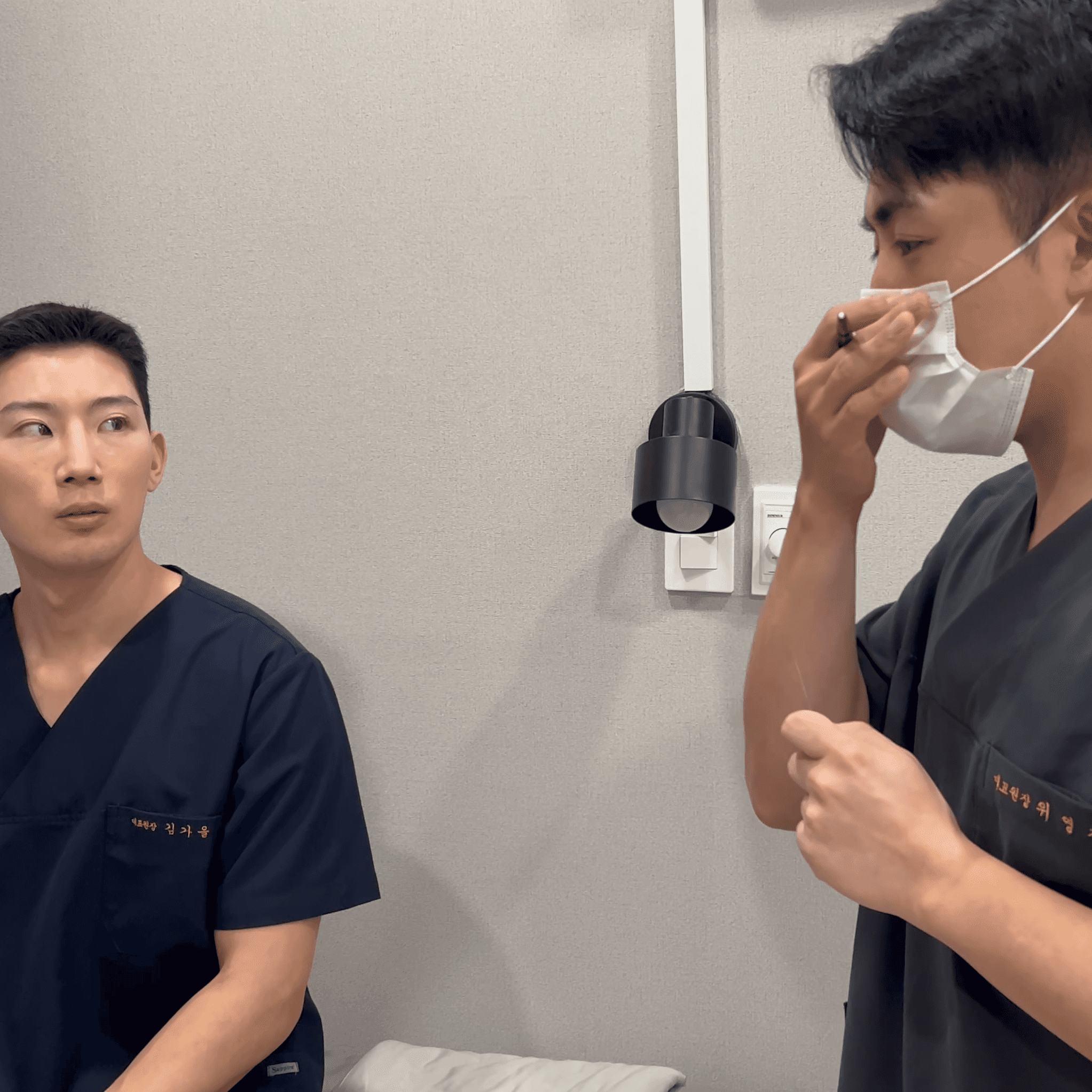
3. 5 Essential Safety Standards to Prevent Accidents
Most accidents involving Ulthera sedation
occur in settings that lack proper safety protocols.
The following five criteria are what you should always verify before choosing a clinic.
First — is the procedure performed by an experienced physician?During sedation, patients cannot signal discomfort themselves, so the practitioner must monitor their condition directly.
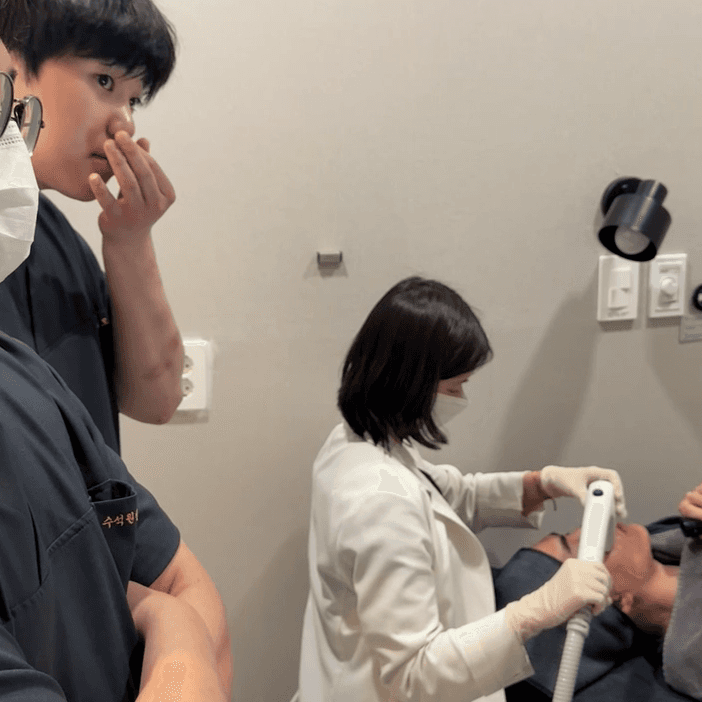
Second — is real-time oxygen saturation and ECG monitoring available?
Third — is an emergency kit on hand?
Fourth — is a recovery room and observation time guaranteed after the procedure?
Fifth — is pre-procedure guidance provided systematically, including fasting instructions and arranging for someone to accompany you home?
Whether you're coming from Seoul or Gyeonggi, we do not recommend sedation Ulthera at any clinic that fails to meet these five standards.
Beautystone Clinic in Mapo, Hongdae, and Hapjeong meets all of these criteria, with our lead physician personally overseeing every step of the procedure.
Frequently Asked Questions (FAQ)
Q1. How long after sedation Ulthera can I go home on my own?
A. At Beautystone, we use propofol for sedation.
Driving after a sedation procedure is strictly prohibited,
so please arrange to travel home by public transport or taxi.
Q2. Is it true that sedation reduces the effectiveness of Ulthera?
A. Sedation itself does not affect how ultrasound energy is delivered.
However, since some movement is possible during the procedure,
we always map out the treatment design beforehand,
and a skilled practitioner must carefully manage cartridge selection and energy settings
to achieve the best possible results.
Q3. Is fasting really necessary before Ulthera sedation?
A. Yes, it is absolutely required.
Fasting prevents aspiration — where vomit enters the airway during sedation.
We recommend fasting, including water, for at least 6 hours before the procedure.
Your exact fasting window will be confirmed during your pre-procedure consultation.
Sedation Ulthera is a safe and comfortable option — when performed in the right environment.
But safety standards should never be overlooked just because the goal is a pain-free experience.
At Beautystone Clinic in Hongdae and Hapjeong, Dr. Wi Young-jin — a Seoul National University-trained specialist —
personally handles every step, from consultation to treatment to post-procedure monitoring.
If it's your first time considering sedation Ulthera and you're feeling uncertain,
feel free to start with a 1:1 personalized consultation.
Related Links:
Ulthera Results — How Many Shots Does It Actually Take?
Ulthera for Men — Why You Should Consider It (feat. Hongdae Dermatology)
Content



![[Yeouido Eye Ultherapy] Sagging eyelids? Beautystone, Seoul](https://framerusercontent.com/images/rv7FZIeFKzQlL1GzKi4eAmXZXU.jpg?width=1080&height=1080)


skin
Why Does Fractional CO2 Take Longer to Heal?

Contouring & Volume
How Many cc Does Forehead Filler Need?

skin
Why Is My Skin Oily but Tight in the Fall?

Hair Removal
Underarm Laser Hair Removal Cost: Do the Math

Tattoo removal
Laser Before a Cover-Up: How Many Sessions?

skin
큐어젯 다운타임, 다음 날 출근과 화장은 언제부터 될까요?