

Underarm sweat barely smells; skin bacteria do the work. Laser only shows a clear difference around 5 to 8 sessions, and bromhidrosis is separate.
Published -
Updated -

Author
Wi Young-jin · Chief director
Seoul National University College of Medicine · Seoul National University Hospital Specialist
→
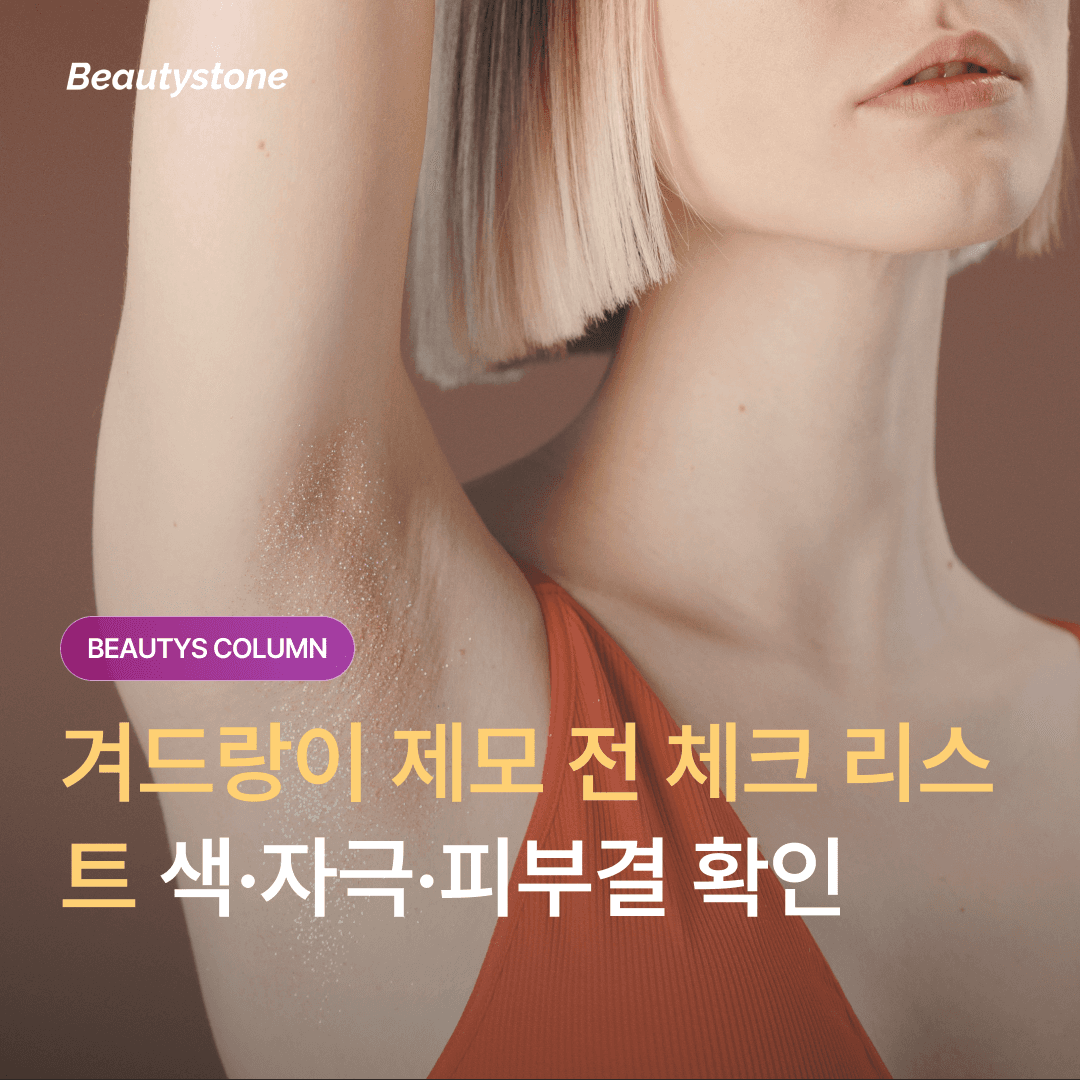
Will simply shaving underarm hair really reduce body odor?
When changing into workout clothes, or when you raise your arms on a crowded subway, there are moments when you may not notice it yourself, but the person next to you seems a little conscious of it. Even when you use deodorant, if the smell does not go away easily, it’s natural to wonder, “Would shaving the hair help a bit?”
In short, hair removal definitely helps. But the duration of the effect is very different depending on whether you shave or get laser treatment. And if it is true bromhidrosis*, hair removal alone may not be enough.
Bromhidrosis*: In medicine, it is called bromhidrosis. It is not simply having a lot of sweat; it is a condition in which the strong, distinctive odor is produced when sweat and sebum from the apocrine glands are broken down by bacteria on the skin.
Here are a few common misconceptions that often get cleared up before a consultation.
The cause of odor is not sweat, but bacteria
Sweat from the underarms itself has almost no odor. The real culprit is the bacteria living on the skin. Germs such as Corynebacterium and Staphylococcus produce the sour smell we know by breaking down the fats and proteins in sweat from the apocrine glands*.
Apocrine glands*: Special sweat glands concentrated in areas such as the underarms and groin. Unlike ordinary sweat, they release a mixture containing proteins and fats, so there is plenty for bacteria to break down.
So the key to odor control is not eliminating sweat, but creating an environment where bacteria have a hard time surviving. This is also why hair removal helps.
Why hair becomes bacteria's hideout
Hair itself does not create odor, but it creates conditions that are favorable for bacteria. The surface area increases, sweat and sebum collect along the hair, and airflow is blocked. In medical literature, a biofilm formed around the hair follicle is also cited as one cause of odor.
When hair is reduced or shortened, these conditions change. Sweat can be wiped directly by clothing or a towel, ventilation improves, and there is less space for bacteria to stay. Deodorants also work better. When hair is dense, the active ingredients can get caught on the hair before they reach the skin.
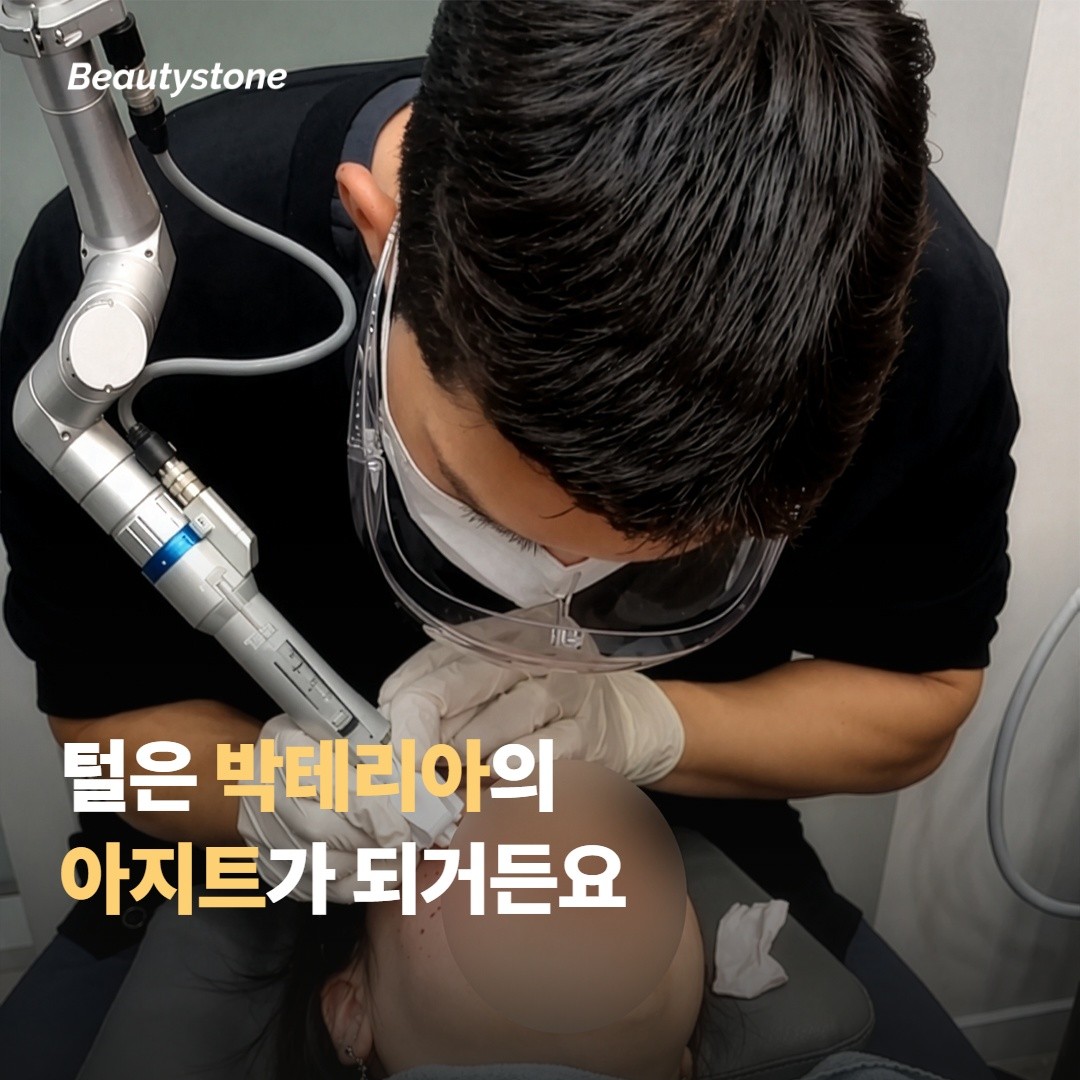
Shaving and laser treatment have completely different durations of effect
Even though both are hair removal, the duration of the effect differs greatly. One study reported that for first-time shavers, the effect lasted one week, while for people who shaved regularly, it lasted up to six weeks. The weakness of shaving is that rapidly growing hair quickly recreates the environment.
Laser hair removal reduces the follicles themselves, so with each session accumulated, the speed and amount of regrowth decrease. The pores become smaller and airflow improves as well. However, you usually won’t notice much change after just one or two sessions; the difference becomes more noticeable after about 5 to 8 sessions.
Think of shaving as 'weekly maintenance' and laser as a 'quarterly or yearly change' to keep expectations realistic.
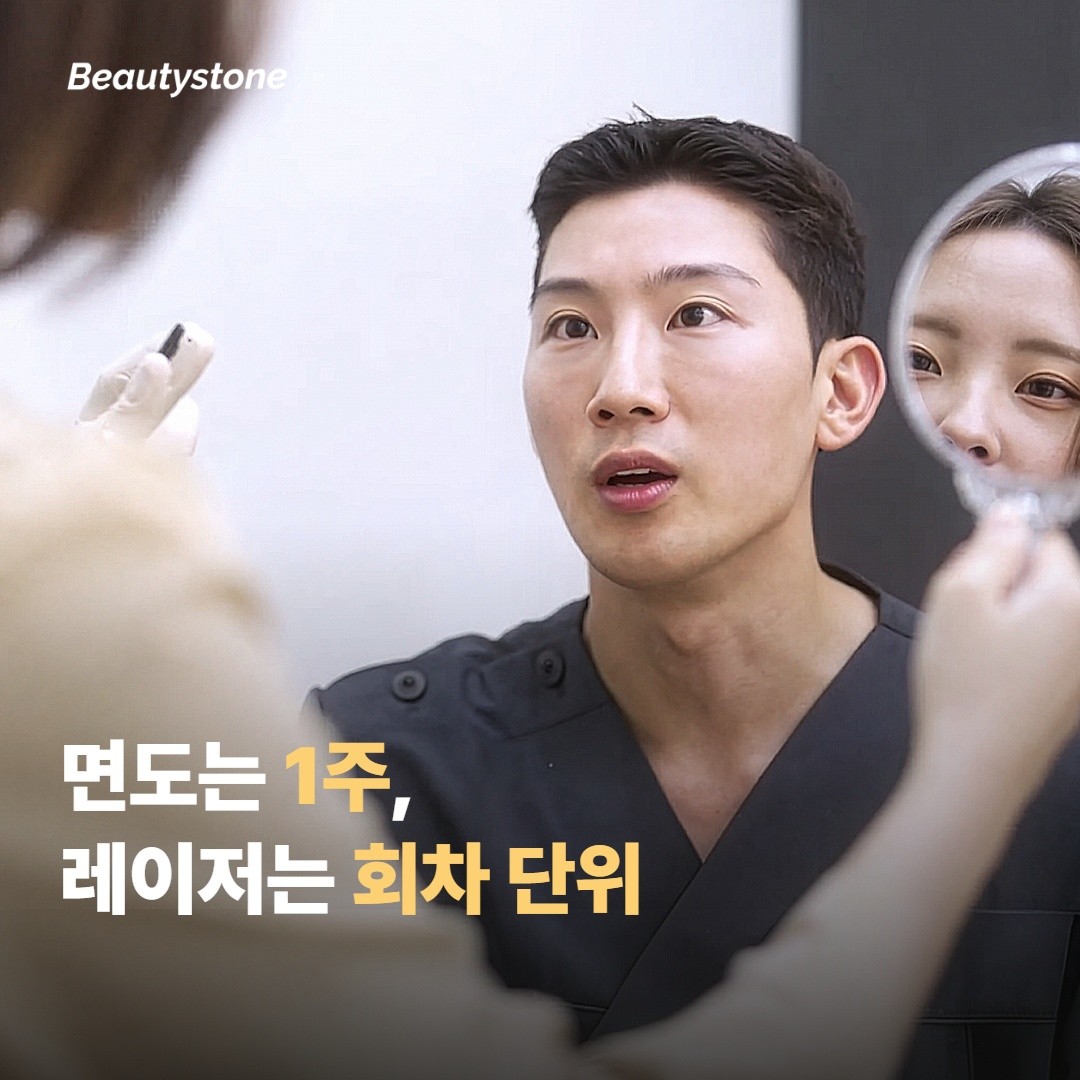
If it still doesn’t go away, bromhidrosis needs to be evaluated separately
If you have been consistent with hair removal but the strong smell remains even at close range, your apocrine glands may be particularly active. In medicine, this is classified as bromhidrosis. In this case, the issue is less the hair itself and more the amount produced by the sweat glands, so hair removal alone has its limits.
In such cases, there are treatment options ranging from Botox to reduce sweat gland activity, procedures using microwave or radiofrequency to directly reduce the apocrine glands, and even bromhidrosis surgery that involves an incision. Which option is right depends on your body type, the amount of sweating, and how much it affects your daily life.

Daily habits worth keeping up with, just like hair removal
To prolong the effect of hair removal, small habits can make a surprisingly big difference. Very tight synthetic-fiber clothing blocks ventilation and creates an environment that bacteria love. After exercising, it is best to shower within 30 minutes if possible, or at least wipe yourself down once with a damp towel.
Deodorants come in two types: products that reduce sweating (antiperspirants) and products that mask odor. Choosing the one that fits your condition makes the effect clearer. If you try to solve everything at once by adding a strong fragrance, the bacteria and fragrance may mix and create an even stranger smell. Diet also has an unexpectedly large effect. Foods with strong aromas, such as garlic, onions, curry, and alcohol, are excreted through sweat and increase odor intensity. Even reducing them for a few days can make it easier to tell what your baseline body scent is.
This article summarizes general information, and if the odor is affecting your daily life significantly, the fastest next step is to consult a dermatologist or plastic surgeon.
Frequently asked questions
Q. Does shaving regularly alone help reduce odor?
A. It does help reduce it. However, it works best for a few days right after shaving, and the effect weakens as the hair grows back. Ongoing maintenance is needed.
Q. If I undergo laser hair removal, can I skip using deodorant?
A. It varies from person to person. For some, body odor becomes milder as the hair decreases, while others with more active apocrine glands may still need deodorant. Both factors should be considered together.
Q. How can you tell whether it’s bromhidrosis or just normal body odor?
A. Even if you do not notice it yourself, if yellow stains are left on your clothes or if someone nearby can notice it from 1–2 meters away, the possibility of bromhidrosis is high. An accurate diagnosis should be made through a medical consultation.
Q. Are there any daily habits besides hair removal that can help reduce underarm odor?
A. It helps to avoid tight-fitting synthetic clothing and get into the habit of showering or wiping down within 30 minutes after exercising. Strongly scented foods like garlic, onions, curry, and alcohol can be excreted through sweat and worsen body odor.
Content


skin
Why Does Fractional CO2 Take Longer to Heal?

Contouring & Volume
How Many cc Does Forehead Filler Need?

skin
Why Is My Skin Oily but Tight in the Fall?

Hair Removal
Underarm Laser Hair Removal Cost: Do the Math

Tattoo removal
Laser Before a Cover-Up: How Many Sessions?

skin
큐어젯 다운타임, 다음 날 출근과 화장은 언제부터 될까요?