

There's no antidote for Botox. An honest look at side-effect types, causes, and lowering risk.
Published
Updated

Author
Wi Young-jin · Chief director
Seoul National University College of Medicine · Seoul National University Hospital Specialist
→
🔗 Read More
What is Botox? — 1.1 The History of Botox · 1.2 How It Works
Types — 2.1 Brand Comparison (Botox, Dysport, Nabota, Coretox)
Treatment Areas — 3.1 Wrinkles (Forehead, Frown Lines, Crow's Feet, Around the Mouth) · 3.2 Contouring (Square Jaw, Calves, Parotid Glands)
Keep in Mind — 4.1 Duration of Results · 4.3 8 Frequently Asked Questions
To put it simply, Botox is not a procedure with absolutely zero side effects. However, most side effects are only temporary, and their occurrence is highly unlikely when the procedure is performed correctly. It is important to understand which side effects can occur, how often they happen, and to distinguish between real concerns and minor, temporary reactions.
Common Side Effects — Mostly Temporary
The most common reactions occur naturally at the injection site immediately after the procedure.
Bruising: This happens when the tiny needle touches a small blood vessel. It will naturally fade within 1 to 2 weeks.
Swelling and Redness: This is a standard skin reaction to the injection itself. In most cases, it calms down within a few hours to a day or two.
Headache: Some patients experience a mild headache for a day or two after receiving injections in the forehead or frown lines. This is usually easily managed with simple pain relievers.
These reactions are general skin responses to being injected, rather than a reaction to the Botox itself.

Side Effects to Watch Out For — Stemming from Placement or Dosage Issues
Side effects that require more careful attention typically occur when Botox spreads beyond the intended target area or when the dosage is not properly adjusted.
Ptosis (Drooping Eyelids)*: This is a condition where the eyelid droops after a forehead or eye-area treatment. It occurs if the toxin spreads to the muscle that lifts the eyelid (levator palpebrae superioris). The risk increases if the injection is placed too close to the eye or if the dose is too high. As one of the most common complications of botulinum treatments, a rate of 1-3% has been reported. While it typically resolves naturally within a few weeks to several months, it can be quite uncomfortable during that time.
Ptosis*: A condition where the eyelid droops lower than its normal position, potentially blocking your vision or giving a sleepy appearance.
Asymmetry: Even when the same amount is injected on both sides, differences in muscle size or exact placement can sometimes lead to asymmetrical results. Fortunately, this can often be easily corrected with a quick touch-up.
Unnatural Expressions: If the dosage is too high and the muscles barely move, your expressions may look slightly stiff or unnatural when laughing or speaking. This will naturally resolve as the effects of the treatment gradually wear off.

Rare Side Effects — Helpful Signals to Know
Though these reactions are very rare, it is helpful to be aware of them.
Nausea and Vomiting: This is a rare reaction that can occasionally occur immediately after the treatment.
Difficulty Swallowing or Voice Changes: This can very rarely happen after treatments around the jawline or neck area. Please let your doctor know immediately if you experience this.
Skin Nodules (Firm Texture): The injection site may temporarily feel firm to the touch.
When to Contact Your Clinic
Please contact your clinic or seek medical attention if you experience any of the following symptoms after your treatment:
Eyelid drooping that persists or worsens for more than 2 to 3 weeks
Vision changes or double vision (seeing double)
Difficulty swallowing or changes in your voice
Difficulty breathing
While these symptoms are extremely rare, they are important signals that should not be ignored.

How to Minimize the Risk of Side Effects
Most side effects are closely related to the provider's technique and precise dosage control. Choosing an experienced practitioner is the single most important step in reducing your risk. It is a good idea to ensure that your treatment is performed directly by a board-certified dermatologist or plastic surgeon, rather than other staff. Botox is not just a simple injection; it requires a deep, professional understanding of facial anatomy.
Additionally, medical guidelines advise informing your doctor about any medications you are currently taking (especially blood thinners, antibiotics, or muscle relaxants) before your treatment. Certain medications can influence either the bruising rate or the effectiveness of the Botox. For example, aspirin and ibuprofen can increase the risk of bruising, while certain antibiotics (such as aminoglycosides) can enhance the paralyzing effect of the botulinum toxin, leading to unintended muscle weakness. It is also wise to inform your doctor about any supplements, herbal medicines, or high-dose vitamin E you have taken within 1 to 2 weeks prior to your procedure.
Frequently Asked Questions
Q. If a Botox side effect occurs, can it be reversed immediately with an antidote?
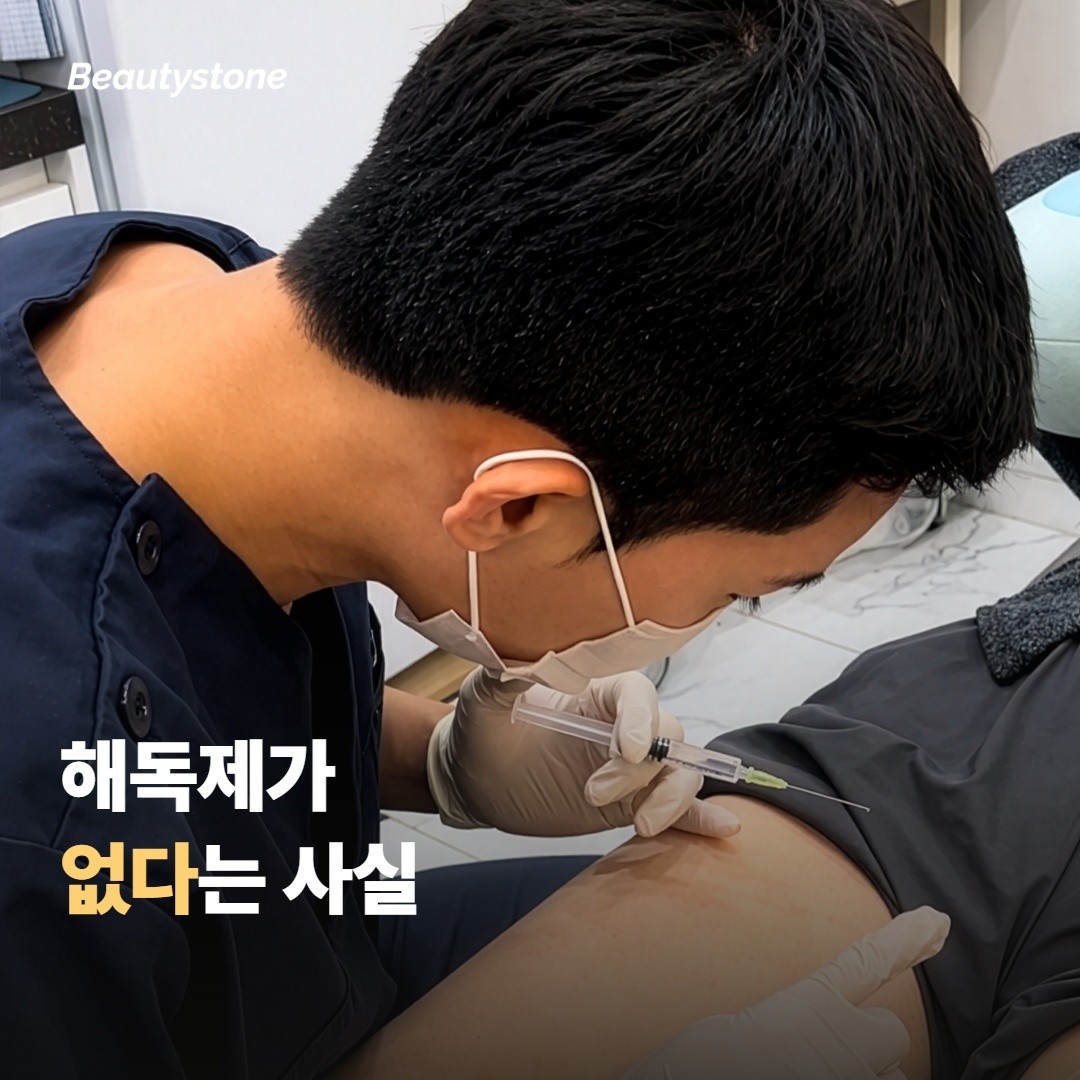
There is no immediate reversal agent or antidote for botulinum toxin. Almost all side effects will naturally resolve on their own as the product's effects wear off over time. This is why it is so important to take a conservative approach with the dosage during your very first treatment.
Q. Can I have an allergic reaction?
While rare, it is possible. It can occur as a hypersensitive reaction to ingredients (such as albumin) contained in the Botox product. Please share any history of allergies with your doctor before your treatment.

![[Wi Young-jin Column] Botox Day 3: Real Effect Timeline](https://framerusercontent.com/images/9ijuotGjRFvmv6smxGVFAaDRxg4.jpg?width=1080&height=1080)



Lifting
XERF for a Thin Face: Depth vs. Hollowing?

Lifting
Thread Lift Swelling: What's Normal in 5 Days?

Lifting
Thermage Cost: 4 Lines to Check on a Quote

Contouring & Volume
Xeomin Cost: Why Do 50-Unit Quotes Differ?

skin
Back Acne That Won't Clear? It Might Be Fungal

Tattoo removal
Bad Brow Tattoo: Cover It Up or Fade It First?