

From 'where do I start?' to 'must I keep getting it?' The 8 top questions before Botox.
Published
Updated

Author
Wi Young-jin · Chief director
Seoul National University College of Medicine · Seoul National University Hospital Specialist
→
Whether you are considering Botox for the very first time, or you have been getting it for years but still find certain aspects confusing, we have gathered the most frequently asked questions from this series all in one place. Checking these before your consultation will be highly helpful.
🔗 Go to other articles
What is Botox? — 1.1 The History of Botox · 1.2 How It Works
Types — 2.1 Brand Comparison (Allergan Botox, Dysport, Nabota, Coretox)
Treatment Areas — 3.1 Wrinkles (Forehead, Frown Lines, Crow's Feet, Around the Mouth) · 3.2 Contouring (Square Jaw, Calves, Parotid Gland)
Things to Know — 4.1 How Long the Effects Last · 4.3 8 Frequently Asked Questions
Are there people who should not receive Botox?
Yes. As a rule, people who are pregnant, breastfeeding, or have a neuromuscular disorder* (such as myasthenia gravis, ALS, etc.) should avoid the treatment. If you are taking blood thinners, certain antibiotics, or muscle relaxants, you must consult your doctor beforehand.
Neuromuscular disorder*: A general term for conditions that cause problems in signal transmission between nerves and muscles. Because botulinum toxin acts on the same signaling pathway, the risks are higher.
Your history of allergies or any prior adverse reactions to botulinum toxin treatments are also essential details to share before your procedure. The doctor needs to know this precisely to ensure a safe treatment.

If it is my first time, where is the best place to start?
Frown lines or forehead wrinkles are often chosen for a first-time treatment. This is because the results are relatively easy to predict, and if the effect feels a bit too strong, it will naturally resolve as time passes.
For first-timers, there is a guideline recommending a conservative starting dose. Checking the results first and then making additional adjustments 2 to 4 weeks later helps prevent the awkward experience of "getting too much the first time."
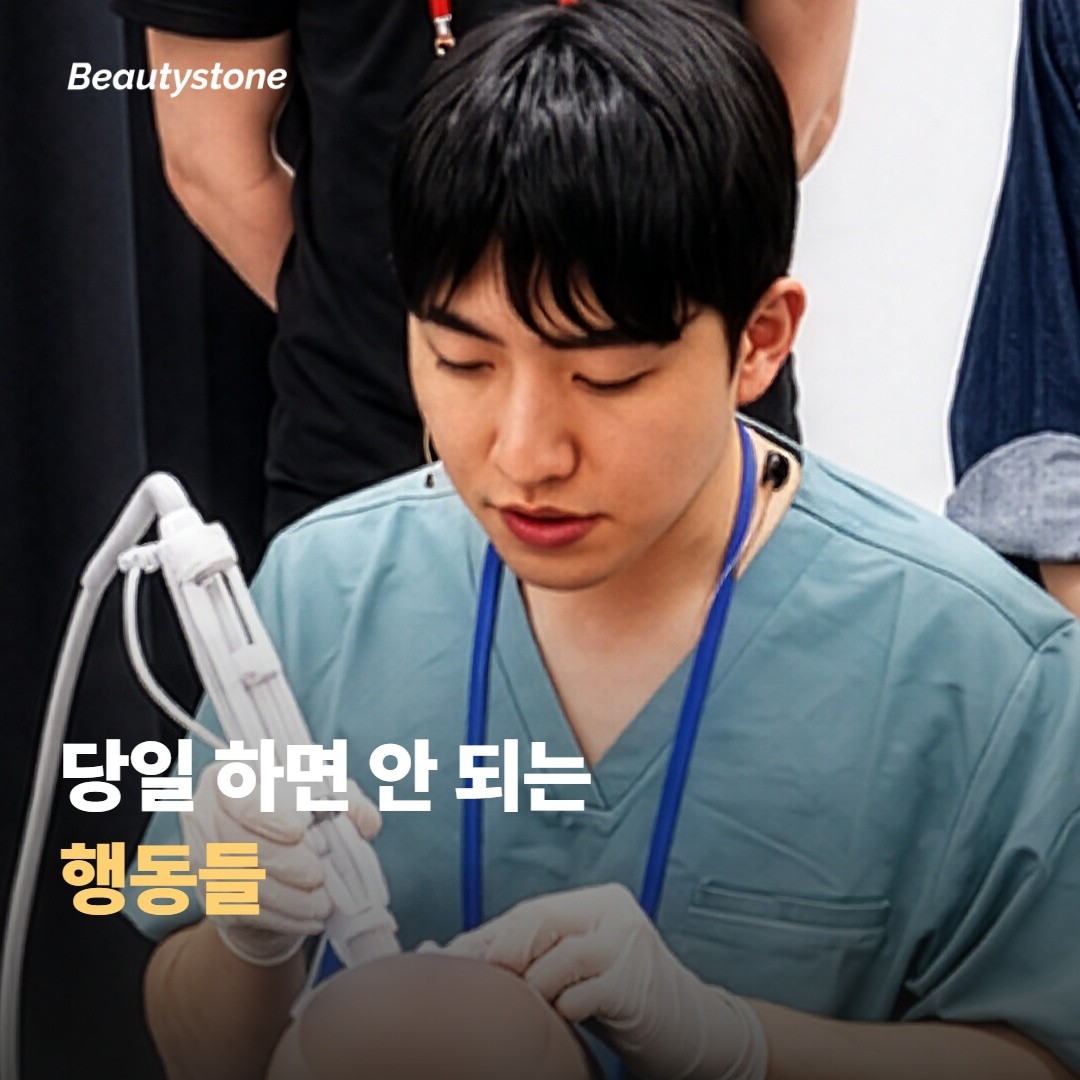
Is there anything I should not do on the day of the procedure?
There are a few precautions to keep in mind.
Do not massage the injection site: Doctors recommend avoiding rubbing or massaging the injection site for 4 to 6 hours (and some advise up to 24 to 48 hours) after the treatment. This prevents the toxin from spreading to unintended areas.
Watch your lying posture: For several hours after forehead or frown line treatments, it is best to avoid lying down or lying face down.
High-intensity exercise: Increased blood flow can cause the toxin to break down more quickly. It is better to avoid intense workouts on the day of your procedure.
Alcohol: Drinking alcohol before or after your treatment can increase the risk of bruising and slow down your recovery.
What happens if I get treated in the same area multiple times?
Over the long term, the target muscle tends to atrophy slightly, which actually helps wrinkles form more slowly. This does not mean "the muscle is damaged," but rather that a less-used muscle naturally reduces its activity.
If you stop getting treatments, the muscle function will gradually recover; the change is not permanent. However, areas that have been treated repeatedly over a long period may take longer to return fully to their original state.

Why do prices vary so much between clinics?
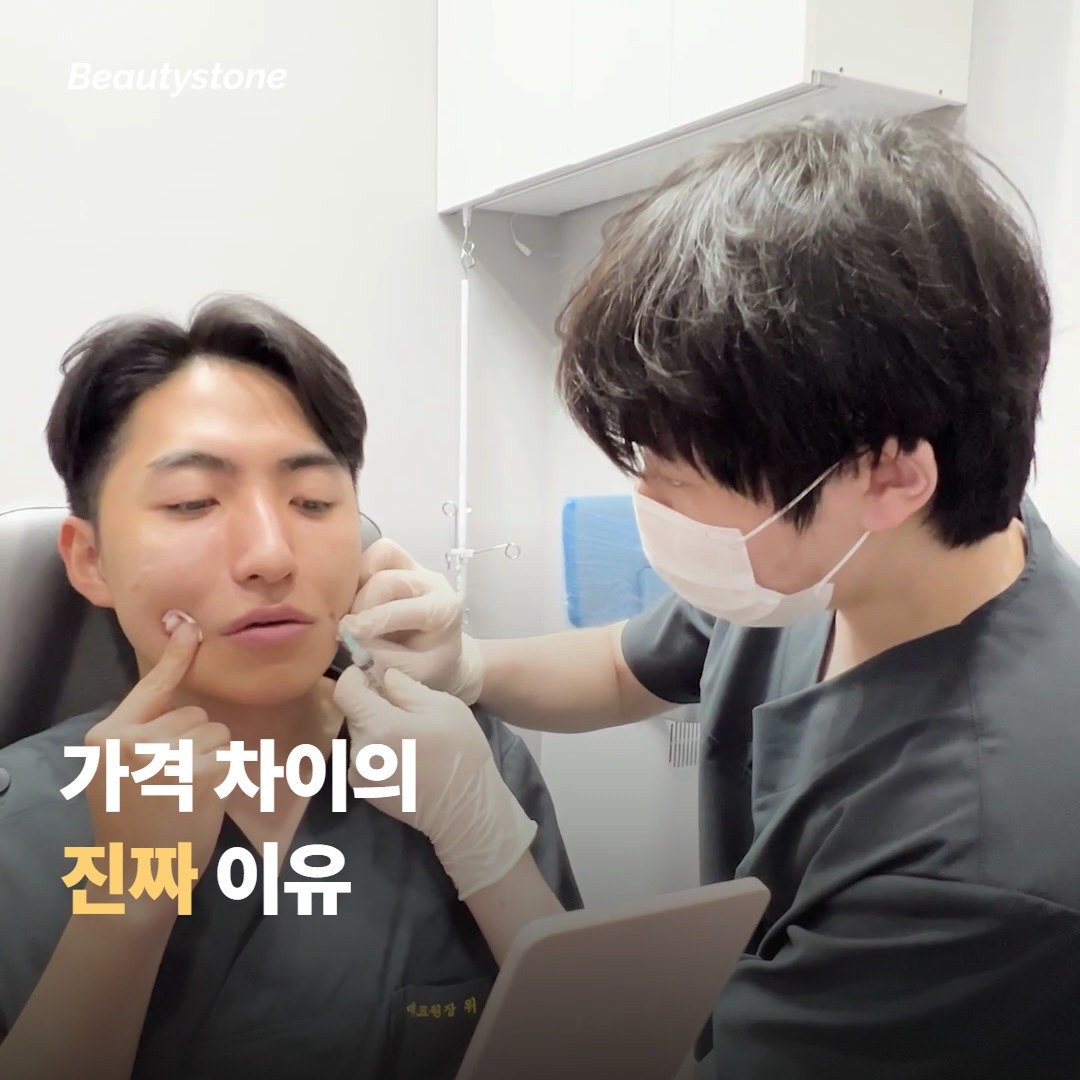
Even for the same "single area of Botox," the actual units (U)* injected can differ from clinic to clinic. Naturally, the price and effect will differ between a clinic that injects 20U for forehead Botox and one that injects 50U.
Unit (U)*: A measurement of the potency of botulinum toxin. Because definitions vary by product, how many units are used in the same area determines the overall price and results.
While a low price is not necessarily bad, it is important to first check "how many units of which product" are being used. A reliable clinic should be able to answer this question clearly.
Does Botox have direct benefits for the skin itself?
There is no direct skin-healing effect. Botox is a treatment that acts on the muscles. While it is true that the skin surface looks smoother when wrinkles are reduced, it does not directly affect skin elasticity, hydration, or collagen production. To improve the skin itself, separate treatments like skin boosters, Rejuran, or lasers are needed.
Are there treatments that work well when paired with Botox?
There are several popular combinations. Dermal fillers and Botox complement each other beautifully. While Botox reduces wrinkles caused by muscle movement, fillers restore volume in hollow areas. For areas like the tear troughs, smile lines, or sunken cheeks, fillers are a much better fit.
Some clients also combine Botox with skin lifting treatments like Ulthera or Thermage for overall facial contour improvement. However, because the right combination depends entirely on your unique skin condition and goals, we recommend discussing this during your consultation.
Do I have to keep getting Botox to maintain the effects?
Yes. The effects of Botox are temporary. Once the nerves reconnect, muscle function returns and wrinkles will gradually reappear. To maintain the results, repeated treatments are necessary.
However, with consistent long-term treatments, the muscle relaxes and atrophies slightly, which can gradually extend the time between touch-ups. Many clients find their ideal treatment cycle after about 3 to 4 sessions. While a 4-to-6-month interval is common for the first year, some find they can stretch it to 6 to 9 months later on. Also, because repeatedly treated areas become naturally smoother, the "maintenance cost" can actually decrease over time.
Frequently Asked Questions
Q. Can I wash my face and apply makeup the day after getting Botox?
You can wash your face even on the day of the treatment, but please avoid rubbing the injection sites. Makeup is perfectly fine starting the next day, though you should still avoid any firm rubbing motions over the treated areas.
Q. I feel like the Botox didn't work. How should I evaluate this?
If you feel there is no effect even after 2 weeks, it is helper to contact your clinic. They can determine whether it was an insufficient dose, a rare case of resistance, or an issue with the injection placement.
Q. Is it true that the effects wear off faster after your very first Botox treatment?
Since first-time treatments often start with a conservative dose, the effects can indeed feel like they fade quickly. Once we observe how your muscles react and optimize the dosage for your next session, you will likely experience much more satisfying, longer-lasting results.





Lifting
XERF for a Thin Face: Depth vs. Hollowing?

Lifting
Thread Lift Swelling: What's Normal in 5 Days?

Lifting
Thermage Cost: 4 Lines to Check on a Quote

Contouring & Volume
Xeomin Cost: Why Do 50-Unit Quotes Differ?

skin
Back Acne That Won't Clear? It Might Be Fungal

Tattoo removal
Bad Brow Tattoo: Cover It Up or Fade It First?