Seoul clinics? I start with doctor-led care.
Too many Seoul clinics? Why doctor-led care matters most, and how to confirm it.
When choosing a dermatology clinic in Hongdae, I first look for “a place where the director personally treats patients”
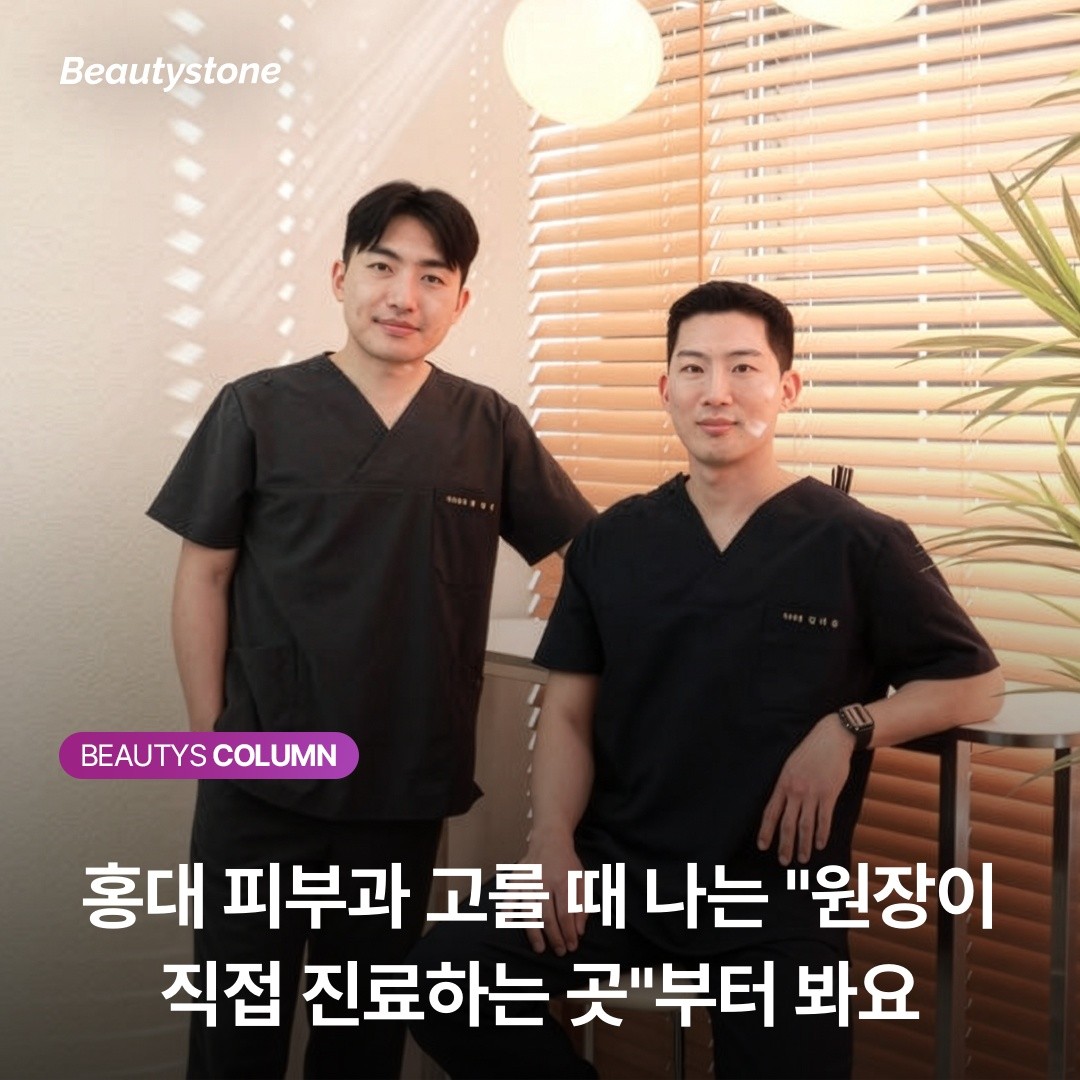
If you live near Hongdae, you’ve probably felt this at least once. No matter which exit you take from Hongik Univ. Station, Hapjeong Station, or Sangsu Station, you’re bound to see one or two dermatology signs. There are so many options that it almost feels hard to know where to start.
When I choose a dermatology clinic in Hongdae, I set just one priority: “Does the director personally handle the consultation and the procedure?” I look at this before price or convenience. It’s where the consistency of the results can differ the most.
My short answer. In crowded, highly competitive areas like Hongdae, choosing a director-led clinic is generally more stable in terms of satisfaction and aftercare.
Why are there so many dermatology clinics in Hongdae?
Hongdae’s commercial district has an overwhelmingly large flow of people in their 20s and 30s. As a result, demand for “light beauty treatments on the way home from work” grew quickly, and dermatology clinics ended up packed into a small area. Branches and new clinics continue to increase around Hapjeong, Sangsu, and Mangwon as well.
The issue is that as the number grew, operating styles also became more diverse. Some clinics have one director responsible for every procedure, while many others are factory-style clinics where a different doctor steps in each time and procedures can be done more quickly. Neither is absolutely right or wrong, but it’s good to know which type you’re walking into.

What’s the difference between “director treatment” and “associate director / pay doctor treatment”?
I see this difference as “who is responsible for my results?” The director runs the clinic under their own name, so the procedure results are directly tied to their reputation. If side effects or satisfaction issues arise after treatment, they bear that burden themselves. That’s why, from the consultation stage, they tend not to make pushy recommendations and usually guide you toward procedures they’re confident in.
Another difference is consistency. If the director handles the first consultation but someone else does the procedure, there can be subtle differences between what was explained and what actually happens. Having the same person see you from start to finish helps keep the overall tone of the result aligned.
How to check whether the director personally treats patients on booking pages and websites
These days, many places let you choose your doctor in advance during booking. If the reservation screen separates options like “Director treatment” / “Associate director treatment” / “No preference,” that’s a good sign in itself. It means they’re being transparent about how the clinic is run.
On the website, take a look at the medical team introduction page. A good clinic will summarize the director’s background, society activities, and which procedures they mainly focus on. If the page only lists photos and names of the staff without explaining their fields of practice, you may feel the information is a step short.
Calling them directly is also a good method. I liked places that gave a clear answer when I asked, “Will the director personally perform the procedure I’m planning to get?” If they dodge the question or only say, “It depends on the medical staff schedule that day,” that’s a sign to think twice.
Why results can differ even when the price looks similar
In a competitive area like Hongdae, prices tend to converge around the market average. So if you only look at the advertised prices, the clinics may not seem very different. But what actually determines the result is the skill and judgment of the person performing the procedure.
Even with the same 50 units of Botox, the expression can look natural or awkward depending on where, how much, and at what depth it’s injected. The same goes for filler: even with the same 1cc, the area and product selection determine the outcome. These subtle judgments are more stable in the hands of someone who has accumulated a lot of procedure experience.
Director-led clinics usually have a clear category of procedures they’re confident in. Rather than advertising that they do everything, many of them narrow their focus with statements like, “My main focus is lifting and pigmentation.” If your skin concern matches the clinic’s core specialty, you can often get much better results for the same price.
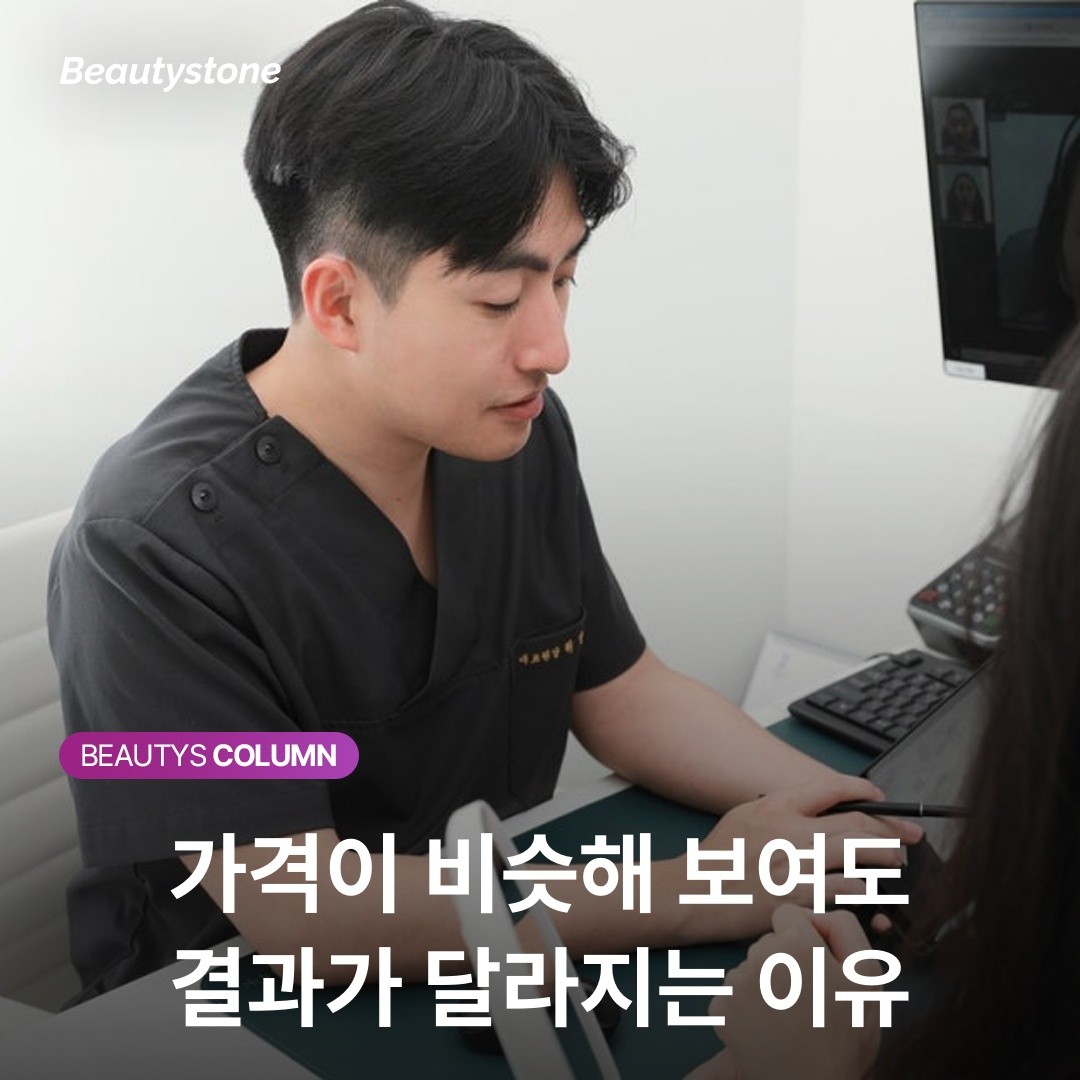
A one-director clinic isn’t better in every way
I said director-led care is more stable, but it’s only fair to point out the downsides too. One-doctor clinics are not easy to book. At popular places, you may need to reserve a month in advance to get your preferred time, and it’s hard to walk in for a last-minute treatment.
They also often have a narrower range of procedure categories. Because the clinic operates around the director’s areas of confidence, if the treatment you want isn’t their main specialty, the result may come out just average. For example, if you go to a place that mainly focuses on lifting and ask for a pigment laser, there’s a chance you’ll be less satisfied than if you had gone somewhere else for the same cost.
So what matters even more than whether the director personally sees patients is whether the procedure you want is one of that director’s main specialties. You should take one more step to look at the doctor’s profile, reviews, or blog posts to see which procedures they have handled most often.
Frequently Asked Questions
Q1. Is director treatment always better?
A. There is no absolute answer. However, it tends to be more stable in terms of consistency throughout the procedure and accountability afterward. If the treatment you want is technically demanding or prone to large result differences, choosing director treatment is the safer option.
Q2. Should I always avoid cases handled by an associate director or pay doctor?
A. Not necessarily. There are many skilled pay doctors as well. But it’s essential to check who will actually be responsible for your treatment and how much experience that person has. The more openly that information is disclosed, the more trust it inspires.
Q3. Within Hongdae, which neighborhood has the most director-led clinics?
A. It’s hard to make a blanket statement by neighborhood. Large clinics near Hongik Univ. Station often have multiple medical staff, while smaller clinics around Hapjeong, Sangsu, and Mangwon tend to have relatively more one-director systems. You can choose by matching both your commute and the type of care you want.
When choosing a dermatology clinic in Hongdae, I first look for “a place where the director personally treats patients”

If you live near Hongdae, you’ve probably felt this at least once. No matter which exit you take from Hongik Univ. Station, Hapjeong Station, or Sangsu Station, you’re bound to see one or two dermatology signs. There are so many options that it almost feels hard to know where to start.
When I choose a dermatology clinic in Hongdae, I set just one priority: “Does the director personally handle the consultation and the procedure?” I look at this before price or convenience. It’s where the consistency of the results can differ the most.
My short answer. In crowded, highly competitive areas like Hongdae, choosing a director-led clinic is generally more stable in terms of satisfaction and aftercare.
Why are there so many dermatology clinics in Hongdae?
Hongdae’s commercial district has an overwhelmingly large flow of people in their 20s and 30s. As a result, demand for “light beauty treatments on the way home from work” grew quickly, and dermatology clinics ended up packed into a small area. Branches and new clinics continue to increase around Hapjeong, Sangsu, and Mangwon as well.
The issue is that as the number grew, operating styles also became more diverse. Some clinics have one director responsible for every procedure, while many others are factory-style clinics where a different doctor steps in each time and procedures can be done more quickly. Neither is absolutely right or wrong, but it’s good to know which type you’re walking into.

What’s the difference between “director treatment” and “associate director / pay doctor treatment”?
I see this difference as “who is responsible for my results?” The director runs the clinic under their own name, so the procedure results are directly tied to their reputation. If side effects or satisfaction issues arise after treatment, they bear that burden themselves. That’s why, from the consultation stage, they tend not to make pushy recommendations and usually guide you toward procedures they’re confident in.
Another difference is consistency. If the director handles the first consultation but someone else does the procedure, there can be subtle differences between what was explained and what actually happens. Having the same person see you from start to finish helps keep the overall tone of the result aligned.

How to check whether the director personally treats patients on booking pages and websites
These days, many places let you choose your doctor in advance during booking. If the reservation screen separates options like “Director treatment” / “Associate director treatment” / “No preference,” that’s a good sign in itself. It means they’re being transparent about how the clinic is run.
On the website, take a look at the medical team introduction page. A good clinic will summarize the director’s background, society activities, and which procedures they mainly focus on. If the page only lists photos and names of the staff without explaining their fields of practice, you may feel the information is a step short.
Calling them directly is also a good method. I liked places that gave a clear answer when I asked, “Will the director personally perform the procedure I’m planning to get?” If they dodge the question or only say, “It depends on the medical staff schedule that day,” that’s a sign to think twice.

Why results can differ even when the price looks similar
In a competitive area like Hongdae, prices tend to converge around the market average. So if you only look at the advertised prices, the clinics may not seem very different. But what actually determines the result is the skill and judgment of the person performing the procedure.
Even with the same 50 units of Botox, the expression can look natural or awkward depending on where, how much, and at what depth it’s injected. The same goes for filler: even with the same 1cc, the area and product selection determine the outcome. These subtle judgments are more stable in the hands of someone who has accumulated a lot of procedure experience.
Director-led clinics usually have a clear category of procedures they’re confident in. Rather than advertising that they do everything, many of them narrow their focus with statements like, “My main focus is lifting and pigmentation.” If your skin concern matches the clinic’s core specialty, you can often get much better results for the same price.

A one-director clinic isn’t better in every way
I said director-led care is more stable, but it’s only fair to point out the downsides too. One-doctor clinics are not easy to book. At popular places, you may need to reserve a month in advance to get your preferred time, and it’s hard to walk in for a last-minute treatment.
They also often have a narrower range of procedure categories. Because the clinic operates around the director’s areas of confidence, if the treatment you want isn’t their main specialty, the result may come out just average. For example, if you go to a place that mainly focuses on lifting and ask for a pigment laser, there’s a chance you’ll be less satisfied than if you had gone somewhere else for the same cost.
So what matters even more than whether the director personally sees patients is whether the procedure you want is one of that director’s main specialties. You should take one more step to look at the doctor’s profile, reviews, or blog posts to see which procedures they have handled most often.
Frequently Asked Questions
Q1. Is director treatment always better?
A. There is no absolute answer. However, it tends to be more stable in terms of consistency throughout the procedure and accountability afterward. If the treatment you want is technically demanding or prone to large result differences, choosing director treatment is the safer option.
Q2. Should I always avoid cases handled by an associate director or pay doctor?
A. Not necessarily. There are many skilled pay doctors as well. But it’s essential to check who will actually be responsible for your treatment and how much experience that person has. The more openly that information is disclosed, the more trust it inspires.
Q3. Within Hongdae, which neighborhood has the most director-led clinics?
A. It’s hard to make a blanket statement by neighborhood. Large clinics near Hongik Univ. Station often have multiple medical staff, while smaller clinics around Hapjeong, Sangsu, and Mangwon tend to have relatively more one-director systems. You can choose by matching both your commute and the type of care you want.
Latest post
Latest post

Contouring & Volume
How does Altite RF work for mid-face sagging around the cheekbones, and who is the ideal candidate for this treatment?
We’ve put together a guide on how Artite RF works on mid-face elasticity, when you can expect to see the full results, and how it differs from other lifting treatments and fillers.

Lifting
When choosing a clinic for Ultherapy and Thermage combination lifting, what standards should you look for?
We've summarized everything from the differences in treatment depth between Ultherapy and Thermage, to the key standards—including equipment, experience, and customized treatment planning—to consider when choosing a clinic for combination lifting treatments.

Contouring & Volume
Who is the ideal candidate for Inmode FX, and is it truly effective for treating a double chin and sagging cheeks?
We have put together an explanation of how InMode FX works to improve a sagging jawlines and cheek elasticity, including its limitations and how it differs from other treatments.

skin
At what age should you start collagen boosters, and how do the expected benefits vary across different age groups?
We’ve put together a guide on how collagen boosters stimulate your skin's natural collagen production, along with the specific goals and expected results for different age groups.

skin
Blemishes, melasma, and freckles require different lasers depending on the type of pigment. How do you choose the right one for your skin?
We have compared and summarized how the depth of blemishes, melasma, and freckles differ, as well as the selection criteria for lasers depending on the type of pigment.

Lifting
소프웨이브 리프팅 효과는 시술하고 나서 언제부터 나타나고 얼마나 오래 유지되는 걸까요?
소프웨이브는 초음파 열로 콜라겐을 자극해 효과가 차오르듯 나타나는 시술이에요. 직후 체감부터 본격 변화 시점, 유지 기간, 재시술 시점, 효과를 오래 가져가는 습관까지 한 번에 짚어봐요.
1:1 Custom Approach
1:1 Consultation Whatsapp
🌸 Beautystone Clinic attends the Meditox Bangkok Cadaver Workshop 🌸
1:1 Custom Approach