Dr. Wi Young-jin and Dr. Kim Ga-eul, Directors of Hongdae Beautystone Clinic
Hongdae Beauty Doctor Beauty Stone Clinic

Nasolabial Folds: Why Filler Erases the Shadow

Nasolabial Folds: Why Filler Erases the Shadow

Nasolabial Folds: Why Filler Erases the Shadow

How nasolabial fold filler makes you look younger: filler elasticity erases shadows in sunken areas.

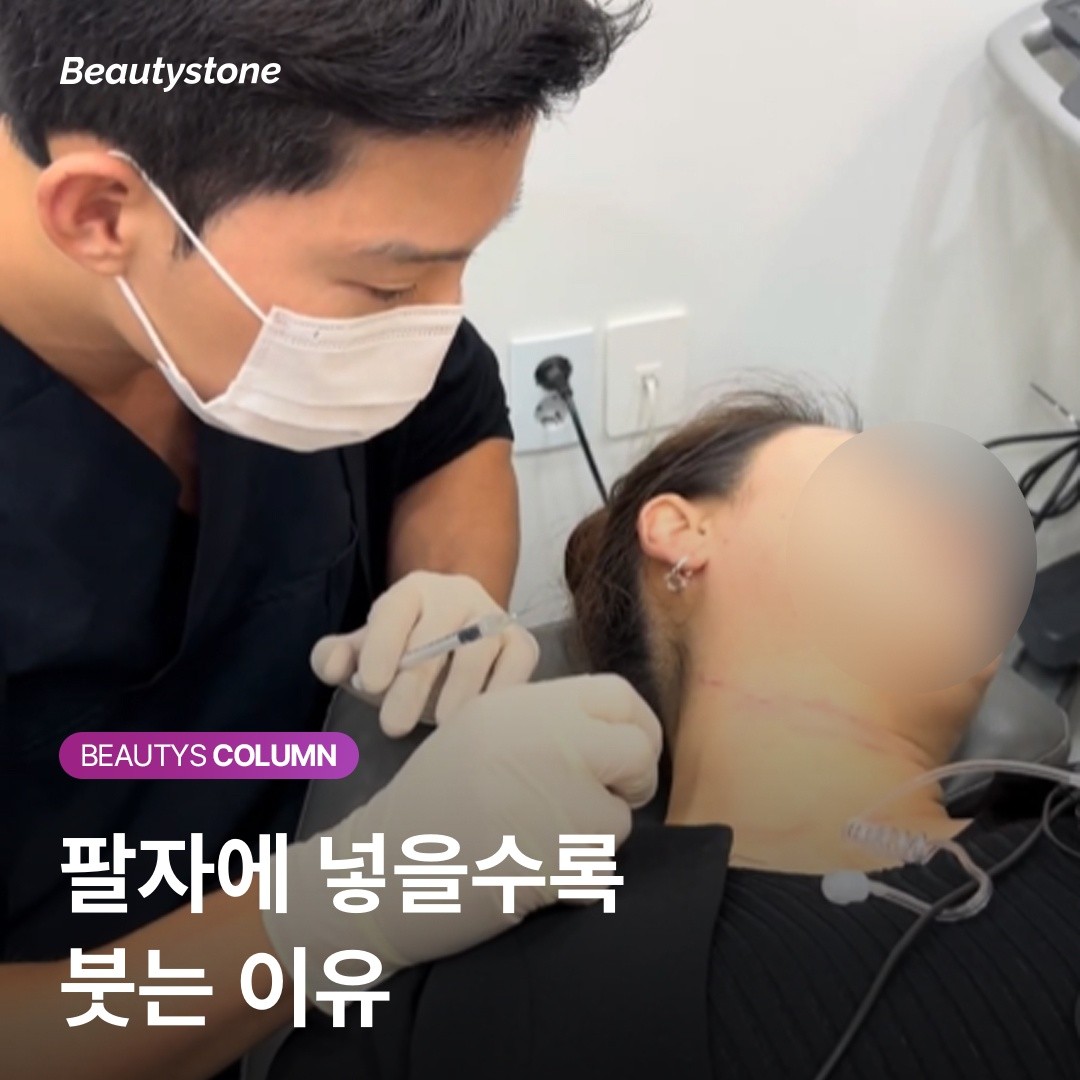
팔자주름 필러 vs 리프팅, 내 얼굴엔 어떤 시술이 먼저일까?


Nasolabial fold filler,

why does it make you look so much younger

what's the reason?


BeautyStone Clinic, Hongdae

I'm Woo Young-jin.


💡 Before reading,

please check this first


Q. Nasolabial fold filler,

isn't it just filling in wrinkles?

A. No, it isn't.

The key is not the 'wrinkle line',

but removing the 'shadow' that forms in sunken areas.


Once the shadow disappears,

the whole face changes and looks more three-dimensional.


Q. There are so many filler types—what's right for nasolabial folds?

A. Different areas require different elasticity.

Nasolabial folds are a highly mobile area,

so problems can arise if the elasticity is too strong or too weak.


📌 Key point of this article

If you fill the deeply sunken nasolabial fold area

with a filler of appropriate elasticity,

the shadow disappears,

and the face looks much more three-dimensional and youthful.



피곤해 보인다는 말 자주 들으시나요? 팔자주름 그늘만 지워도 달라집니다


The real reason nasolabial folds

look 'older'

isn't wrinkles


Honestly, many people think nasolabial folds

are a problem of the 'wrinkle mark' itself.


So they often ask, "Can't you just get rid of that line?"

That's a question I get quite often.

But here's something important.


What makes the face look older,

isn't actually that line.

It's the shadow that line creates.


Let me explain a little more.

As you age, the cheek fat sags downward,


and as skin elasticity decreases,

the inner area of the nasolabial fold—that is, from beside the nostril

to the space between the corners of the mouth—becomes 'deeply sunken'.


When this sunken surface doesn't catch light and a shadow forms,

the facial three-dimensionality disappears when seen from the front,

and it gives the impression that the area below the cheekbones has dropped inward.


The tricky part is,

when you hold a mirror close, you think, "There's a line there,"

but when it's photographed from farther away or

seen by someone else, the entire shaded area

actually stands out more than the line itself.


So the goal of nasolabial fold filler is

not to 'erase the wrinkle line',

but to 'fill the sunken area and remove the shadow'.


When the shadow disappears, light reflects evenly,

the center of the face naturally looks fuller,

and overall it creates a more three-dimensional

and youthful effect.


This is a part many people misunderstand,

but completely eliminating the line with filler is actually impossible,

and that's not the goal either.


The key is to restore volume and create a 'shadow-free face'.


👨‍⚕️ Director Woo Young-jin's key summary

The real reason nasolabial folds make you look older

isn't the line itself, but the shadow created

as the inner area sinks in.


When you fill the sunken area with a filler of appropriate elasticity,

the shadow disappears, and the entire face naturally

looks more three-dimensional and youthful.


Filler is a procedure that restores

volume and the reflection of light, not the wrinkle 'line'.



홍대·합정 팔자주름 고민? 수백 케이스 임상으로 증명된 맞춤 볼륨 필러


Then who is

a good candidate for

nasolabial fold filler, and how do we approach it?

It differs by case,

but this is how I usually approach it.

I broadly divide them into two types.


① Cases where hollowing is the main issue

These are people whose cheeks have descended

and the inner nasolabial area is deeply sunken.

In these cases, filler can be quite effective.


If you fill the sunken area, the shadow disappears

and the skin as a whole looks lifted.


I usually start with around 1 cc

and adjust while monitoring the response.


② Cases where skin sagging is the main issue

The tricky part is,

for people with significant sagging,

filler alone has its limits.


Because the skin will sag back down even after filling,

the effect may not last as long.


For these patients, rather than filler alone,

I often recommend combining it with

a lifting procedure.


But that isn't always ideal.


The nasolabial fold area moves a lot with facial expressions,

so if a filler that's too stiff is used,

it can look unnatural when making expressions

or feel hard to the touch.


On the other hand, if the filler is too soft,

the volume won't last as long.


So for nasolabial folds,

a moderate elasticity, that is, G prime (G-prime) —

simply put, the degree of firmness of the filler —

is important to choose a product with the right balance.


Rather than just the brand, what determines the result is whether the injector

chooses the right product for the area.


Among people who come in saying it feels awkward

even after having it done several times elsewhere,

there were quite a few cases where the problem wasn't the filler itself,

but the injection depth or product choice.


Even in the same area, the result changes depending on whether

it's injected deeply or layered more superficially.


Frequently asked questions

Q1. How long does swelling last after filler?

Can I go to work the next day?

A. In most cases, the nasolabial fold area has

a little swelling and redness right after the procedure,

but for fast recoverers it almost disappears the next day,

and even for people whose swelling lasts a bit longer, it is usually

fairly natural-looking within 3 to 5 days.


However, bruising can sometimes occur,

and that can last up to 1 to 2 weeks.


If you have an important event,

it's safest to get it done at least 2 weeks beforehand.


Q2. Nasolabial fold filler,

how long does one treatment last?

A. It depends on the product,

and also varies depending on your individual metabolism.


On average, the most common duration is between 6 and 12 months,

and because it's a highly mobile area,

it tends to be absorbed a little faster than other areas.


If you check it once at 3 to 6 months after the first treatment

and add a small amount,

you can maintain it more naturally and for longer.


Q3. My nasolabial folds are severe,

is surgery better than filler?

A. If sagging has progressed a lot,

honestly, filler has its limits.


That said, rather than recommending surgery right away,

it's usually most realistic to first try restoring

some volume and elasticity with filler or a lifting procedure,

and then decide on the next step.


It depends on the condition,

so I would need to see you in person to say for sure.


That was Woo Young-jin.


Read next

The 'real' reason a doctor never recommends Botox for nasolabial folds

Peanut-shaped face: can one temple filler fix it? Honest review

[BeautyStone Clinic] The Juvelook Glam body procedure explained by Director Woo Young-jin

PicoWay tattoo removal: on average, how many sessions until it's gone?

"Botox around the eyes is preventive, right??" Cases where you should choose Sofwave
팔자주름 필러 vs 리프팅, 내 얼굴엔 어떤 시술이 먼저일까?


Nasolabial fold filler,

why does it make you look so much younger

what's the reason?


BeautyStone Clinic, Hongdae

I'm Woo Young-jin.


💡 Before reading,

please check this first


Q. Nasolabial fold filler,

isn't it just filling in wrinkles?

A. No, it isn't.

The key is not the 'wrinkle line',

but removing the 'shadow' that forms in sunken areas.


Once the shadow disappears,

the whole face changes and looks more three-dimensional.


Q. There are so many filler types—what's right for nasolabial folds?

A. Different areas require different elasticity.

Nasolabial folds are a highly mobile area,

so problems can arise if the elasticity is too strong or too weak.


📌 Key point of this article

If you fill the deeply sunken nasolabial fold area

with a filler of appropriate elasticity,

the shadow disappears,

and the face looks much more three-dimensional and youthful.


피곤해 보인다는 말 자주 들으시나요? 팔자주름 그늘만 지워도 달라집니다


The real reason nasolabial folds

look 'older'

isn't wrinkles


Honestly, many people think nasolabial folds

are a problem of the 'wrinkle mark' itself.


So they often ask, "Can't you just get rid of that line?"

That's a question I get quite often.

But here's something important.


What makes the face look older,

isn't actually that line.

It's the shadow that line creates.


Let me explain a little more.

As you age, the cheek fat sags downward,


and as skin elasticity decreases,

the inner area of the nasolabial fold—that is, from beside the nostril

to the space between the corners of the mouth—becomes 'deeply sunken'.


When this sunken surface doesn't catch light and a shadow forms,

the facial three-dimensionality disappears when seen from the front,

and it gives the impression that the area below the cheekbones has dropped inward.


The tricky part is,

when you hold a mirror close, you think, "There's a line there,"

but when it's photographed from farther away or

seen by someone else, the entire shaded area

actually stands out more than the line itself.


So the goal of nasolabial fold filler is

not to 'erase the wrinkle line',

but to 'fill the sunken area and remove the shadow'.


When the shadow disappears, light reflects evenly,

the center of the face naturally looks fuller,

and overall it creates a more three-dimensional

and youthful effect.


This is a part many people misunderstand,

but completely eliminating the line with filler is actually impossible,

and that's not the goal either.


The key is to restore volume and create a 'shadow-free face'.


👨‍⚕️ Director Woo Young-jin's key summary

The real reason nasolabial folds make you look older

isn't the line itself, but the shadow created

as the inner area sinks in.


When you fill the sunken area with a filler of appropriate elasticity,

the shadow disappears, and the entire face naturally

looks more three-dimensional and youthful.


Filler is a procedure that restores

volume and the reflection of light, not the wrinkle 'line'.


홍대·합정 팔자주름 고민? 수백 케이스 임상으로 증명된 맞춤 볼륨 필러


Then who is

a good candidate for

nasolabial fold filler, and how do we approach it?

It differs by case,

but this is how I usually approach it.

I broadly divide them into two types.


① Cases where hollowing is the main issue

These are people whose cheeks have descended

and the inner nasolabial area is deeply sunken.

In these cases, filler can be quite effective.


If you fill the sunken area, the shadow disappears

and the skin as a whole looks lifted.


I usually start with around 1 cc

and adjust while monitoring the response.


② Cases where skin sagging is the main issue

The tricky part is,

for people with significant sagging,

filler alone has its limits.


Because the skin will sag back down even after filling,

the effect may not last as long.


For these patients, rather than filler alone,

I often recommend combining it with

a lifting procedure.


But that isn't always ideal.


The nasolabial fold area moves a lot with facial expressions,

so if a filler that's too stiff is used,

it can look unnatural when making expressions

or feel hard to the touch.


On the other hand, if the filler is too soft,

the volume won't last as long.


So for nasolabial folds,

a moderate elasticity, that is, G prime (G-prime) —

simply put, the degree of firmness of the filler —

is important to choose a product with the right balance.


Rather than just the brand, what determines the result is whether the injector

chooses the right product for the area.


Among people who come in saying it feels awkward

even after having it done several times elsewhere,

there were quite a few cases where the problem wasn't the filler itself,

but the injection depth or product choice.


Even in the same area, the result changes depending on whether

it's injected deeply or layered more superficially.


Frequently asked questions

Q1. How long does swelling last after filler?

Can I go to work the next day?

A. In most cases, the nasolabial fold area has

a little swelling and redness right after the procedure,

but for fast recoverers it almost disappears the next day,

and even for people whose swelling lasts a bit longer, it is usually

fairly natural-looking within 3 to 5 days.


However, bruising can sometimes occur,

and that can last up to 1 to 2 weeks.


If you have an important event,

it's safest to get it done at least 2 weeks beforehand.


Q2. Nasolabial fold filler,

how long does one treatment last?

A. It depends on the product,

and also varies depending on your individual metabolism.


On average, the most common duration is between 6 and 12 months,

and because it's a highly mobile area,

it tends to be absorbed a little faster than other areas.


If you check it once at 3 to 6 months after the first treatment

and add a small amount,

you can maintain it more naturally and for longer.


Q3. My nasolabial folds are severe,

is surgery better than filler?

A. If sagging has progressed a lot,

honestly, filler has its limits.


That said, rather than recommending surgery right away,

it's usually most realistic to first try restoring

some volume and elasticity with filler or a lifting procedure,

and then decide on the next step.


It depends on the condition,

so I would need to see you in person to say for sure.


That was Woo Young-jin.


Read next

The 'real' reason a doctor never recommends Botox for nasolabial folds

Peanut-shaped face: can one temple filler fix it? Honest review

[BeautyStone Clinic] The Juvelook Glam body procedure explained by Director Woo Young-jin

PicoWay tattoo removal: on average, how many sessions until it's gone?

"Botox around the eyes is preventive, right??" Cases where you should choose Sofwave
Beauty Doctor Hongdae Beauty Stone Clinic

Recommended post

Recommended post

1:1 Custom Approach

💬 Eng Available 1:1 consultations available via Whatsapp

🌸 Beautystone Clinic attends the Meditox Bangkok Cadaver Workshop 🌸

1:1 Custom Approach