

How spot, melasma, and freckle depth differs—and how to pick the right laser by type.
Published -
Updated -

Author
Wi Young-jin · Chief director
Seoul National University College of Medicine · Seoul National University Hospital Specialist
→
When you look in the mirror and spot dark brown spots, it is easy to assume they are all just simple "blemishes." However, general blemishes, melasma, and freckles differ in their depth and underlying causes. Because of this, even if you use the same laser, some spots will fade beautifully while others may actually become irritated and darkened.
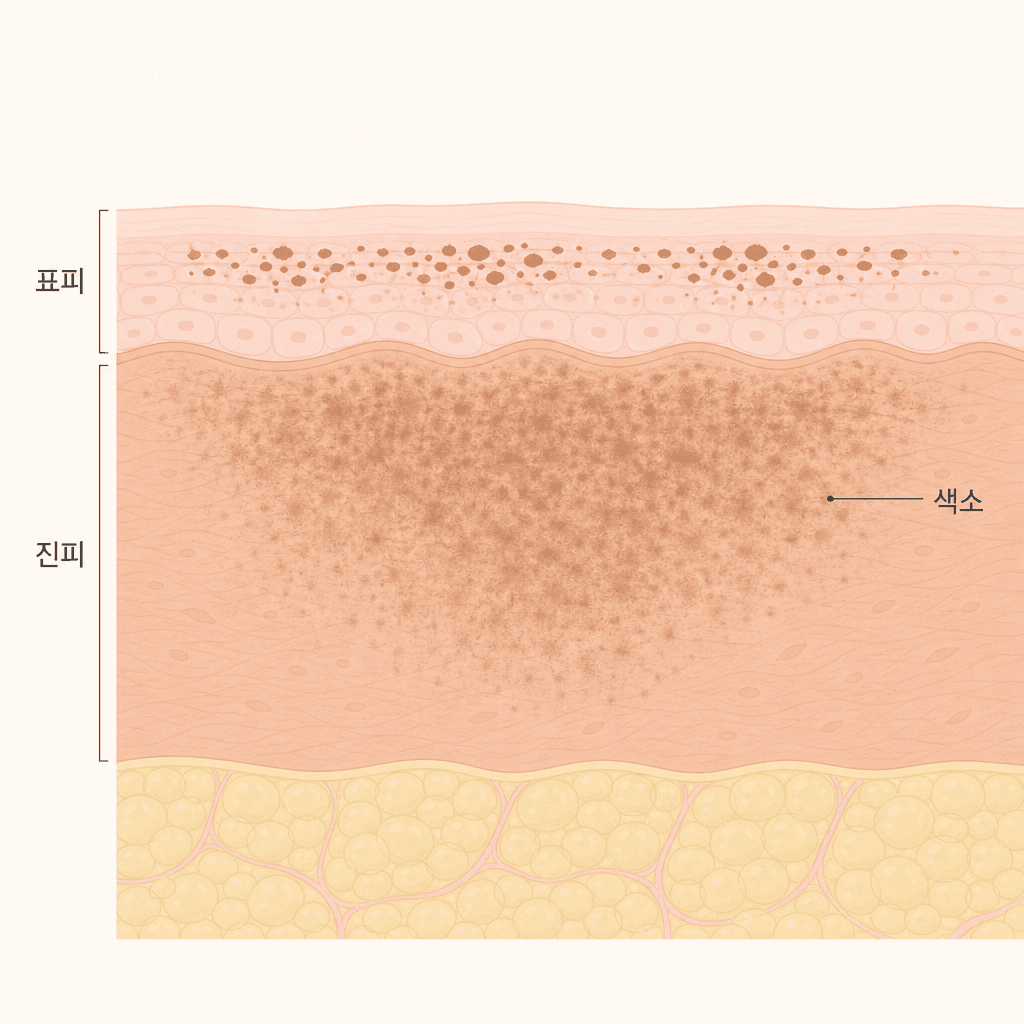
In short, the right laser depends on how deep the pigment lies within your skin and its unique characteristics. Clear brown spots on the surface of the epidermis require a completely different approach than faint melasma that stretches down into the dermis. Since a mismatched treatment can cause the pigmentation to rebound and darken, identifying your specific pigment type first is the most important step.
This content is a helpful guide compiled from the treatment expertise of Hapjeong Beautystone.
In this guide, you will learn:
How to tell the difference between general blemishes, melasma, and freckles
Why the choice of laser changes depending on the depth of the pigment
A comparison of lasers commonly used for each type of pigmentation
A checklist of what to keep in mind before getting laser treatments
Understanding the Differences: Blemishes, Melasma, and Freckles
All three of these concerns occur when melanin*, the pigment that gives our skin its color, clusters in one spot. However, their location and causes vary. Blemishes (such as age spots) typically appear as distinct, clear brown spots on the shallow epidermal layer. Freckles present as small, light-colored speckles. Melasma, on the other hand, appears as blurry-edged, light brown patches resting across both the epidermal and deeper dermal layers.
Melanin*: The pigment responsible for the color of our skin and hair. When it aggregates in response to UV exposure or hormonal fluctuations, it appears as blemishes or melasma.
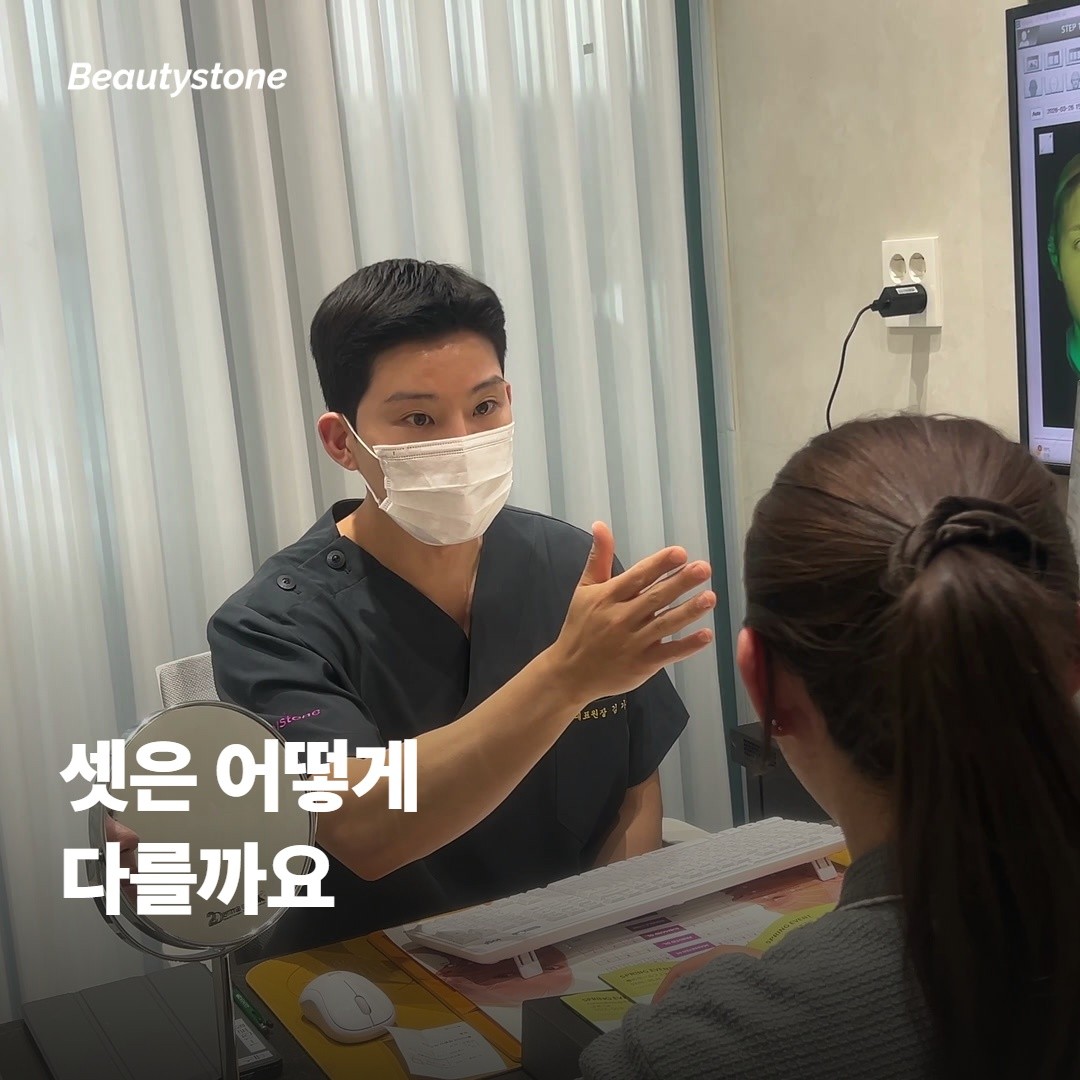
Melasma is particularly sensitive to stimulation, making laser selection incredibly delicate. A comparative study of picosecond lasers and Q-switched Nd:YAG lasers for melasma also demonstrated that the efficacy and the risk of post-inflammatory hyperpigmentation (PIH) vary significantly depending on the laser used. Therefore, classifying the pigment type first is always the starting point of any successful laser journey.
Why Laser Treatments Vary by Pigment Depth
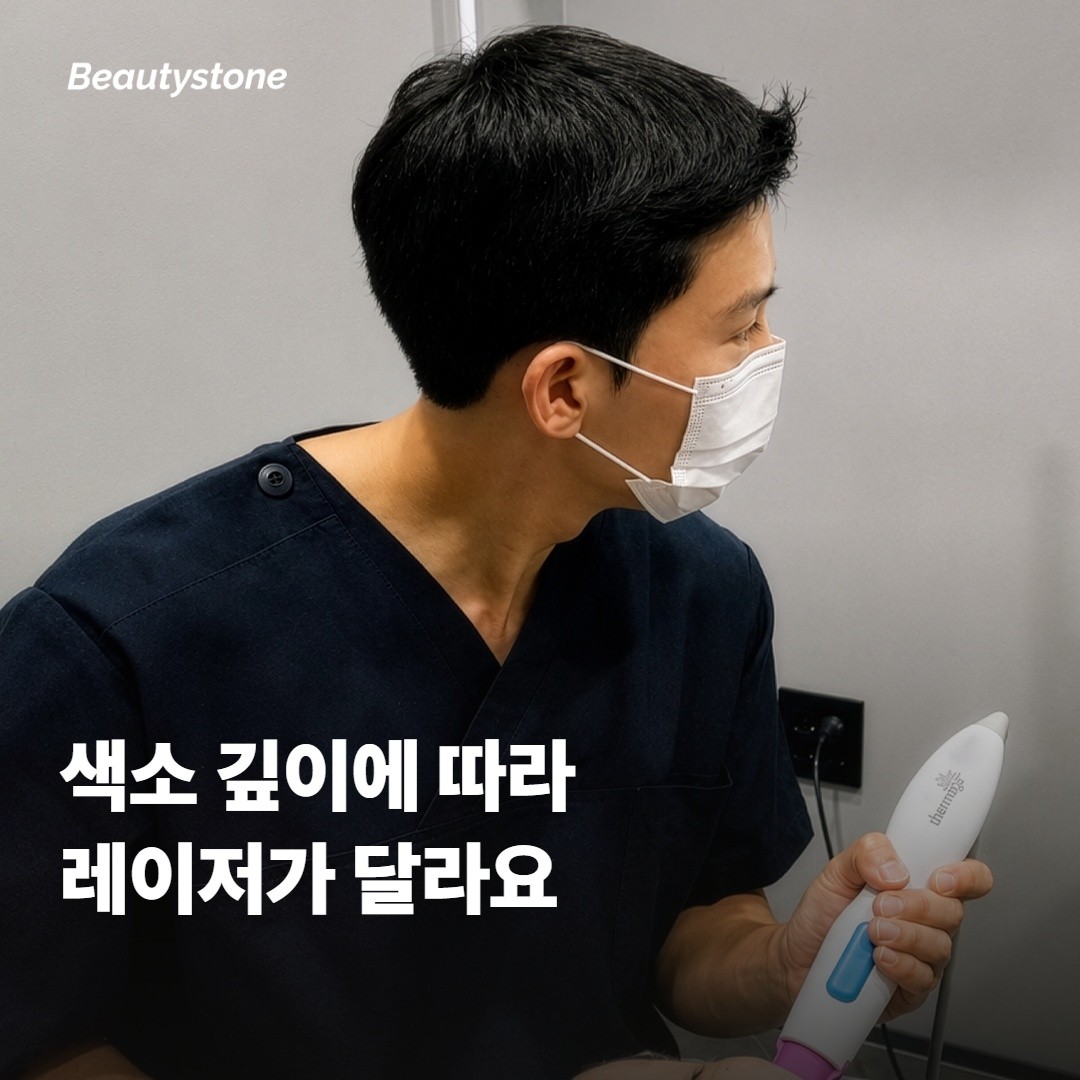
Laser treatments work by emitting specific wavelengths of light that are absorbed by melanin, breaking down the pigment particles. Because different wavelengths reach different depths, some lasers are designed for shallow epidermal pigments, while others are built to target deep dermal pigments. Additionally, the approach—whether to shatter the pigment powerfully in a single session or gently break it down over multiple cycles—depends on the pigment's sensitivity.
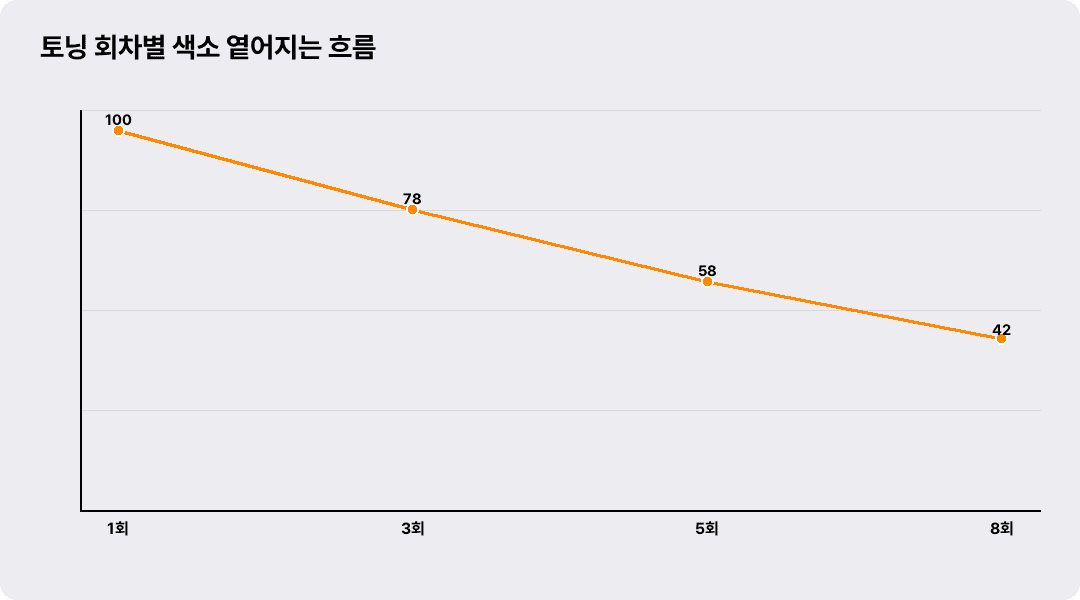
For highly reactive pigmentation like melasma, attempting to clear it all at once with a strong laser setting can actually trigger rebound darkening, known as post-inflammatory hyperpigmentation. This is why melasma is typically treated with a gentle, multi-session laser toning approach, whereas distinct surface blemishes are better suited for a targeted, swift shattering method.
A Guide to Common Lasers by Pigmentation Type
Here is a general summary of common laser choices based on pigment type. Please keep in mind that because every individual’s skin is unique—even with the same type of melasma—the final treatment plan is customized during your consultation.
Pigment Concern | Characteristics | Commonly Used Lasers |
|---|---|---|
Blemishes (Age Spots) | Distinct, clear brown spots on the shallow epidermis | 532nm Pigment Laser |
Melasma | Faint brown patches extending into the deeper dermis | Low-Fluence Toning (1064nm) |
Freckles | Small, light-colored speckles | Pico Toning |
As shown in the table, clear blemishes respond well to single-session shattering lasers, while sensitive melasma is best suited for gentle, multi-session toning. If you have a combination of pigment types, we may use a tailored, multi-step approach.
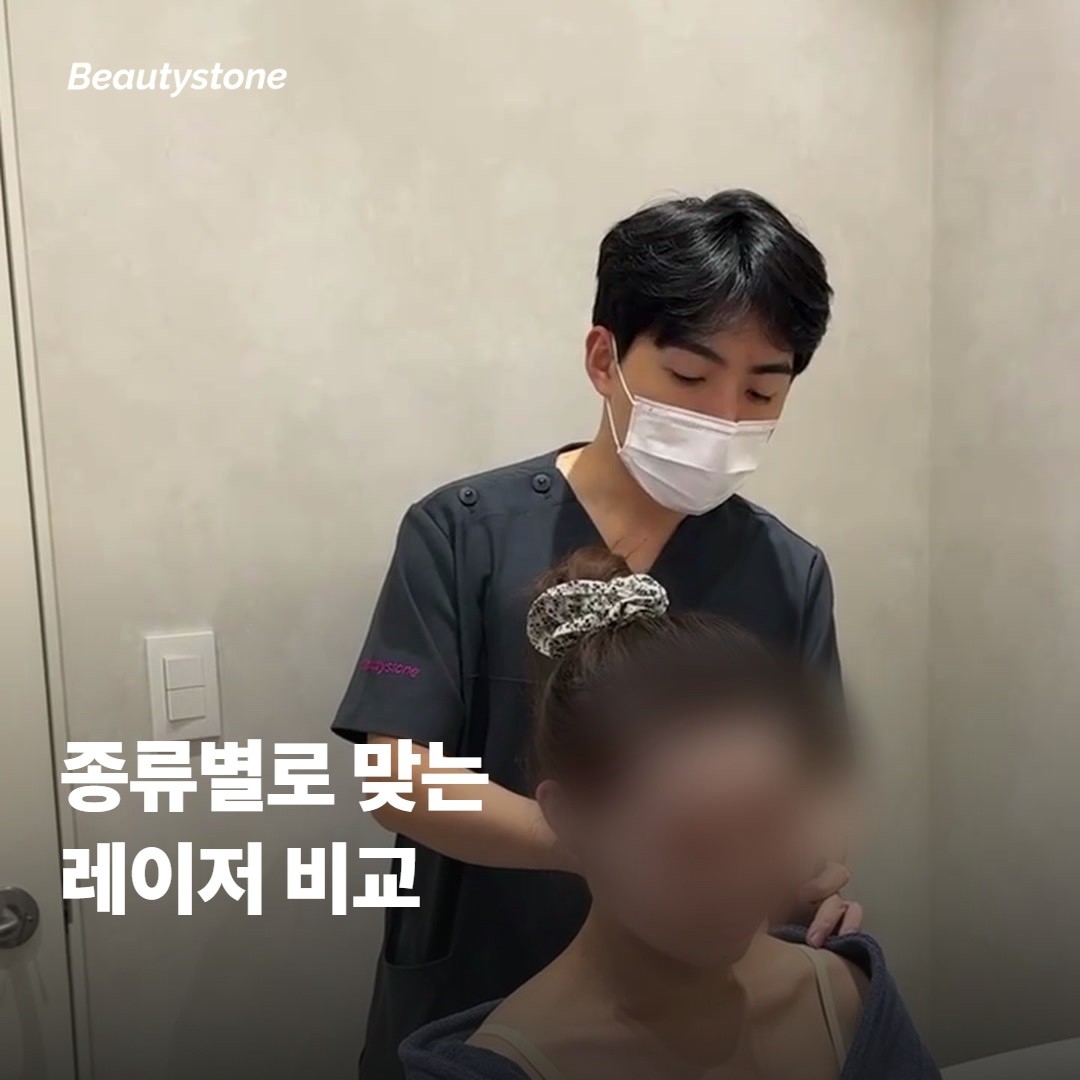
Why Choose Hapjeong Beautystone?
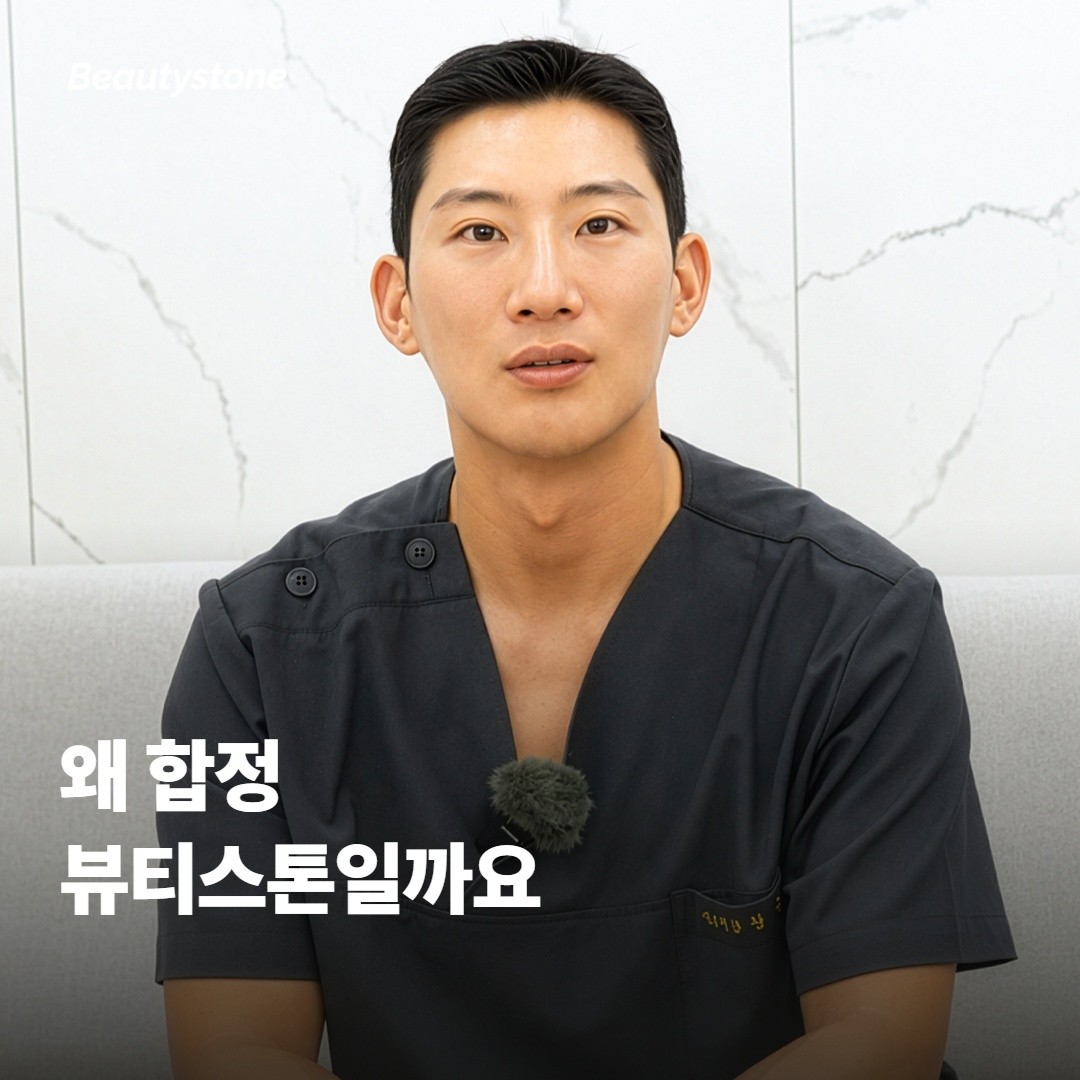
At Hapjeong Beautystone, we begin every treatment journey by carefully distinguishing whether your spots are superficial blemishes or deeper melasma. Even if they look similar to the naked eye, their depth and behavior are entirely different. Rather than pushing a single laser for everything, we focus on identifying your specific pigment type and current skin barrier condition first. As a cozy, boutique clinic located right near Hapjeong Station, we carefully monitor how your pigment lightens during each session and fine-tune the laser intensity just for you.
Important Tips to Know Before Your Laser Treatment
Keeping these points in mind will help you achieve the best and safest results from your pigment laser treatment:
Properly identify your pigment type first — Choosing the wrong laser setting can actually cause pigmentation to darken.
Melasma typically requires multiple sessions — Trying to force quick results in a single session is not recommended for safety.
Sun protection determines your final results — Consistently apply sunscreen post-treatment to keep new melanin from forming.
Mild redness or light scabs may occur temporarily — These typically soothe and resolve within a few days.
Sun care is absolutely paramount after any pigment laser treatment. Since melanin is highly responsive to UV rays, skipping sun protection can cause the faded pigment to return. If you experience prolonged redness, irritation, or if you feel your pigment is darkening, please reach out to us right away. Since this guide provides general medical information, the safest path is to determine the exact laser type and frequency through a personalized consultation with our medical team.

Frequently Asked Questions
Q. Can I treat blemishes and melasma with the same powerful laser all at once?
A. We do not recommend this. Blemishes lie on the shallow surface, while melasma is deeper and highly sensitive. Treating them together with a high-energy laser can irritate and darken the melasma. It is much safer to separate the laser settings and energy levels based on the pigment type.
Q. How many sessions of laser toning do I need to see results?
A. Since melasma toning uses a gentle energy setting to protect the skin, pigments fade gradually over several sessions. The exact number of sessions and the intervals between them will be tailored to your skin during your consultation.
Q. Is it possible for the pigment to darken again after treatment?
A. Yes, it is possible. Melasma is particularly prone to returning if stimulated by strong heat or UV rays. This is why gentle energy adjustment during treatment and diligent sun care afterward are so important. If you feel your pigment is darkening, please contact us for advice.
Q. Is wearing sunscreen absolutely mandatory?
A. Yes, it is the most fundamental step in pigmentation care. Because UV rays stimulate melanin production, failing to protect your skin can cause the pigments lightened by the laser to reappear.
Recommended Reading


Tattoo removal
손가락 문신은 작으니까 금방 지워질 거라 생각하셨나요?

Tattoo removal
문신제거 견적이 병원마다 다른 이유, 크기 기준부터 달라서예요

Tattoo removal
10회 결제했는데 그 전에 다 지워지면 돈이 아깝지 않을까요?

Lifting
Forehead Thread Lifting: How Far Can It Go?

skin
Skin Booster Prices: What to Check in a Quote

Contouring & Volume
InMode Cost: Why One Area, Three Line Items