

Parallel ultrasound beams heat the dermis, not the SMAS, so early laxity responds well while deeper sagging usually needs a partner treatment.
Published
Updated
Author
Wi Young-jin · Chief director
Seoul National University College of Medicine · Seoul National University Hospital Specialist
→
When searching for skin tightening treatments, names like Ultherapy, Thermage, and InMode constantly pop up, and Sofwave is another name that frequently catches people's attention. Even if you have heard of it, you might naturally wonder, "Is it like ultrasound?" or "How is it different from Ultherapy?"
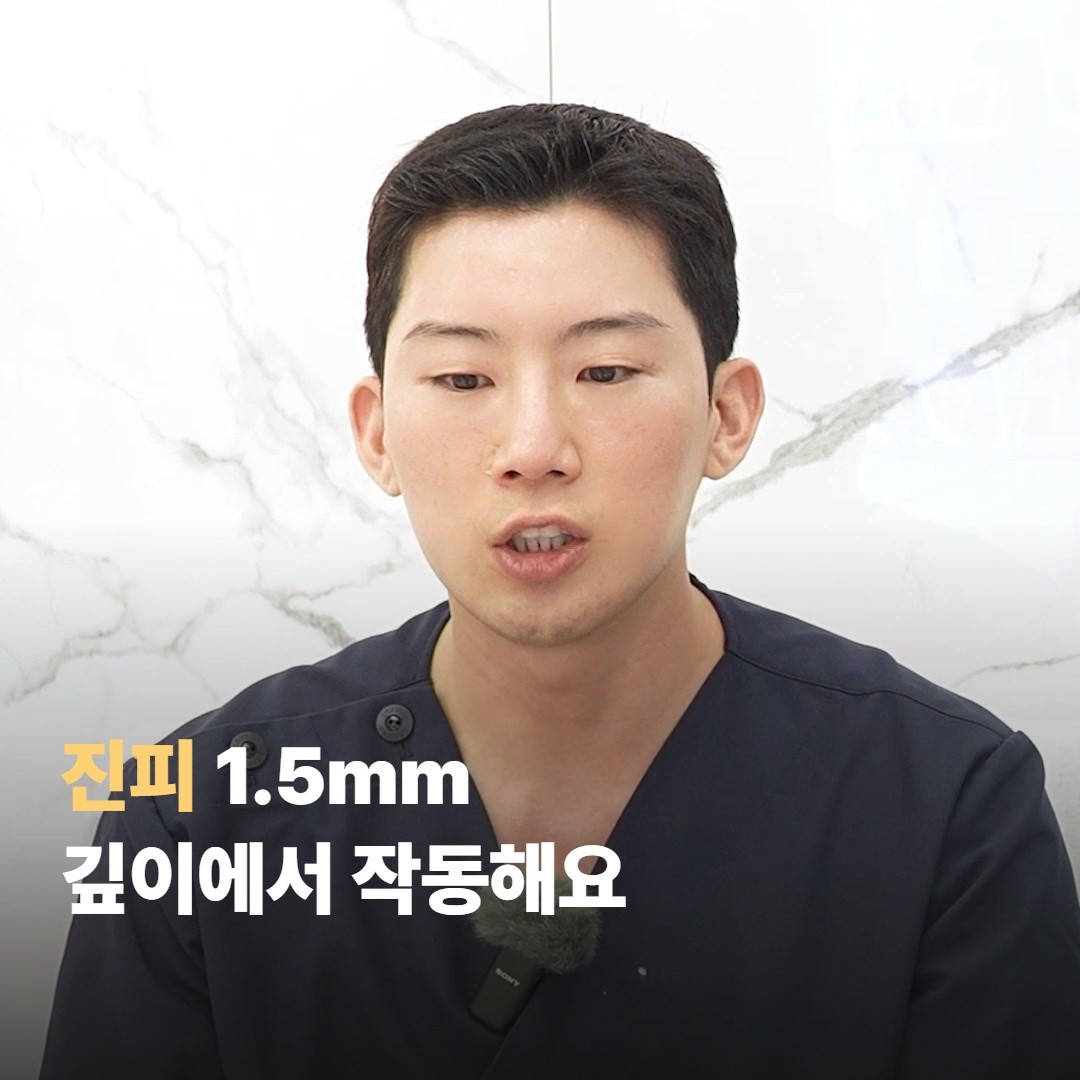
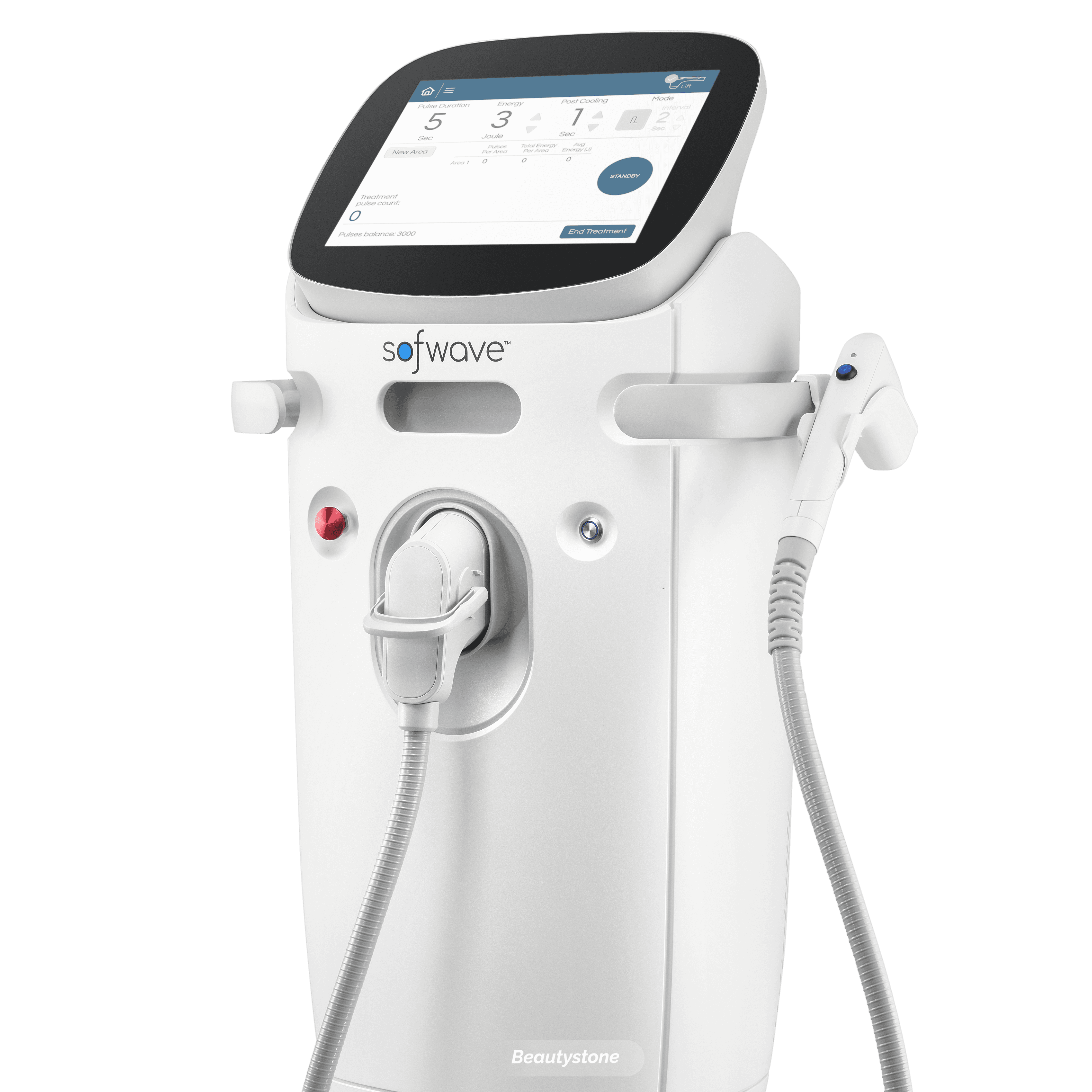
To put it simply, Sofwave is a non-invasive skin tightening treatment that uses non-focused ultrasound* delivered in parallel beams to a depth of 1.5mm in the dermis to stimulate collagen regeneration. Clinical studies have shown visible improvements along the brow, under the chin, and on the neck area. Unlike Ultherapy, which targets deeper layers down to the SMAS, Sofwave works a bit differently. Knowing if you are a good candidate will make your decision easier. This article shares helpful treatment information prepared by Beautystone Clinic.
Non-focused ultrasound*: Unlike focused ultrasound, which concentrates energy onto a single point, this technology uses parallel beams to deliver heat evenly to a specific depth below the skin surface.
The treatment depth is precisely set to the 1.5mm dermal layer
The most defining feature of Sofwave is its treatment depth. It creates uniform thermal zones precisely at a depth of about 1.5mm in the dermis to stimulate collagen and elastin regeneration. Unlike Ultherapy, which reaches deeper into the SMAS layer, Sofwave focuses on refining and smoothing lines from within the dermis.
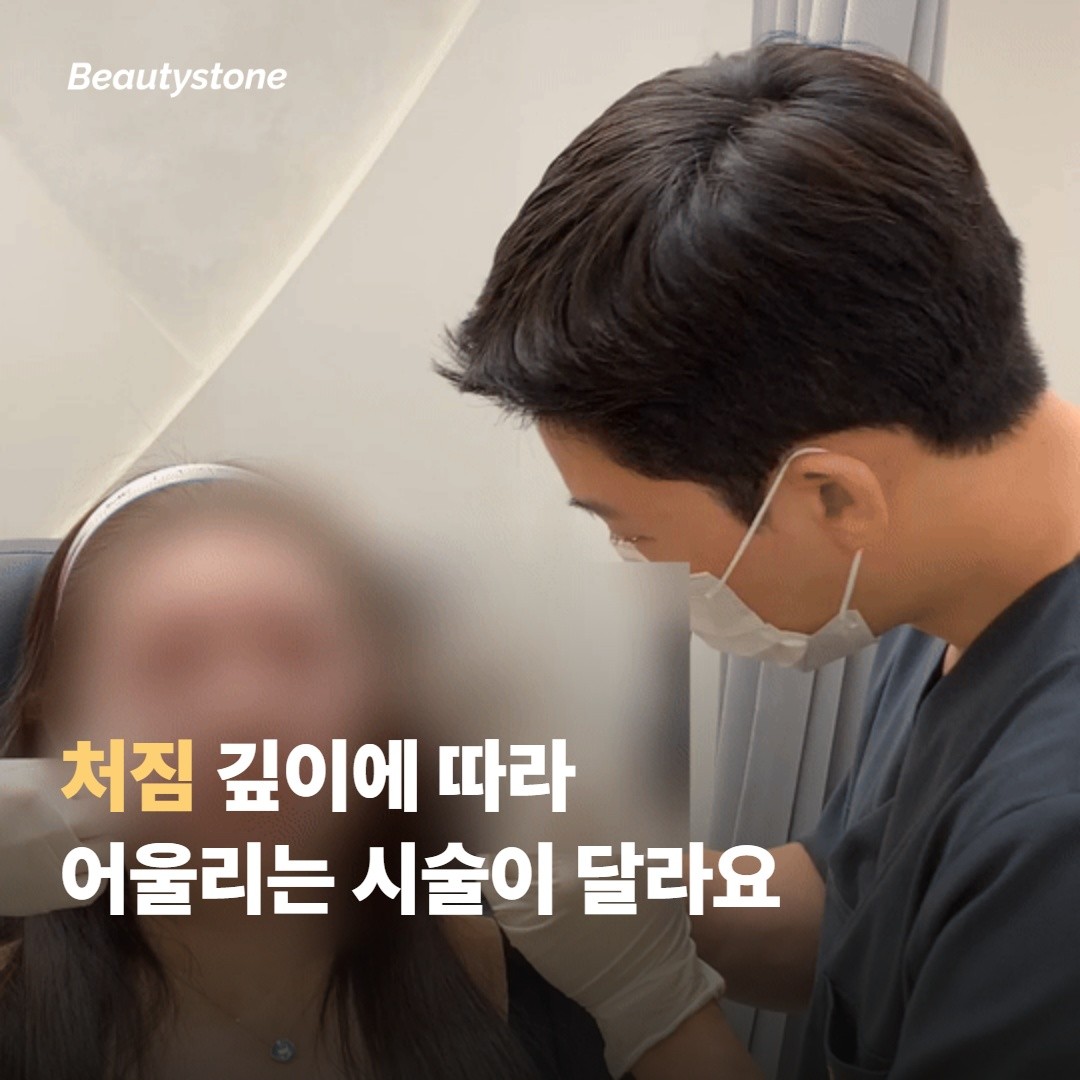
This difference in depth affects who best benefits from the treatment. For those experiencing early to mid-stage aging, where skin thickness and elasticity are just beginning to decline slightly, targeting the dermis offers lovely, natural-looking results. On the other hand, if sagging has progressed down to the SMAS layer, combining Sofwave with a treatment that targets the SMAS is usually more ideal than receiving it alone.
The pain and downtime are relatively minimal
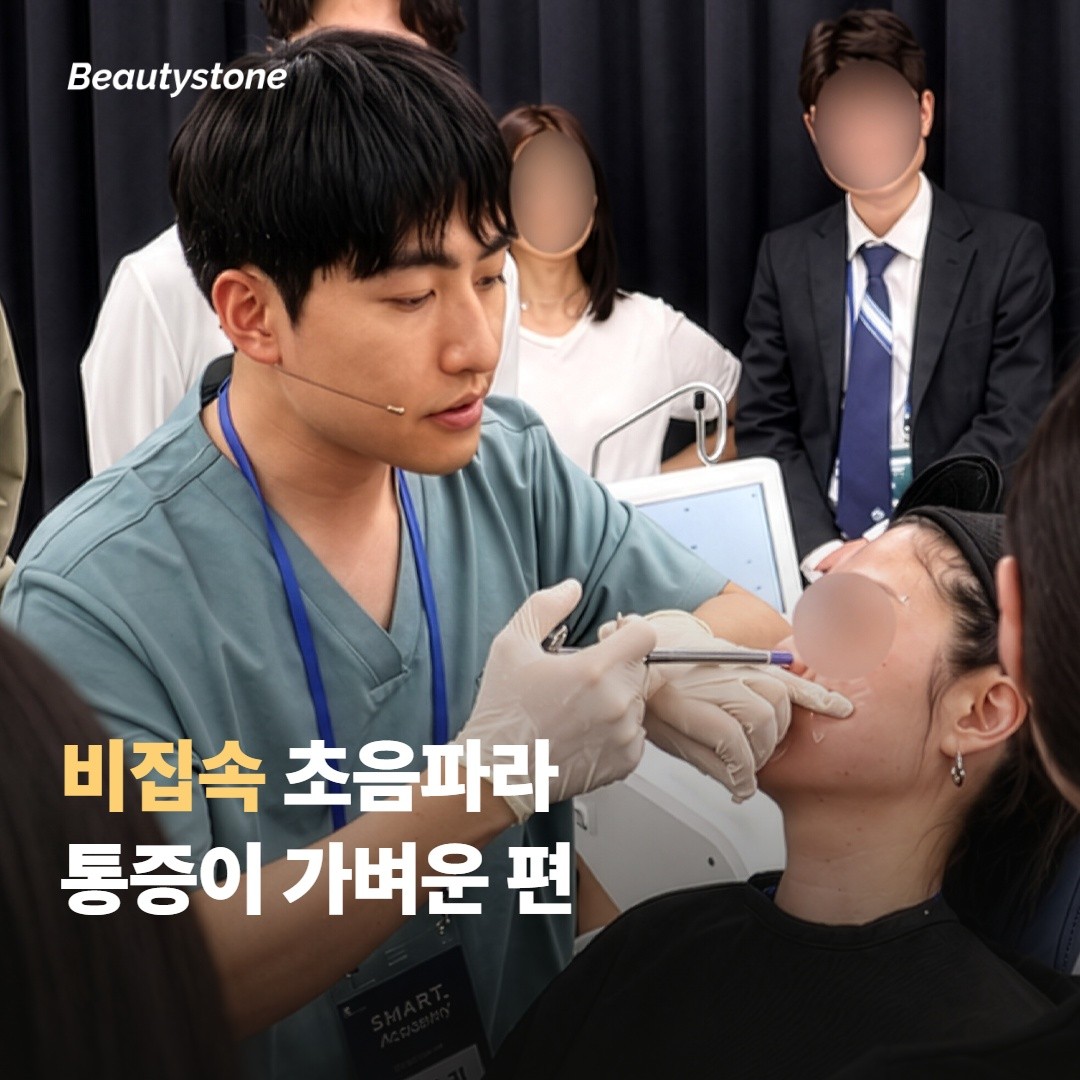
Because Sofwave uses a non-focused method rather than concentrating energy onto a single point, many patients find the sensation much milder compared to SMAS-targeting treatments. In the clinical study mentioned above, the average pain score reported was in the mid-5 range on a 10-point scale, and most patients find the experience very manageable and comfortable with numbing cream.
The downtime is also minimal. Any mild redness and tingling immediately after the procedure usually subside within a few hours. Many patients return to their makeup routine and daily activities on the same day or the very next day. However, we recommend sticking to a gentle soothing routine and sunscreen for a few days to support smooth healing.
Results develop gradually over 8 to 12 weeks
Since Sofwave works by encouraging your skin to produce its own collagen, you will not see dramatic changes immediately after your session. The clinical studies reported that prominent improvements were observed at the 3-month and 6-month marks. Many patients begin to notice their facial lines becoming visibly firmer and more defined between 8 and 12 weeks.
While the duration of the results varies from person to person, a single session typically lasts about 6 to 12 months. It is very common to assess your initial results first, and then decide on the necessity and timing of any touch-up treatments. Approaching the treatment with the understanding that a touch-up is a natural option, rather than expecting a one-time cure-all, leads to the highest satisfaction with your results.

It can be beautifully paired with other lifting treatments
As mentioned earlier, since Sofwave operates at a dermal depth of 1.5mm, patients who require SMAS-level lifting can combine Sofwave with other procedures. For instance, a wonderful staged approach is to refine the SMAS layer with Ultherapy first, and then follow up with Sofwave 4 to 6 weeks later to treat the dermal layer. It is much safer to allow some time to observe how your skin contours change rather than receiving both treatments on the very same day.
Combining it with radiofrequency treatments like Thermage is also a great option. However, since the treatment depths and final result timelines are different, patients who try one treatment first and see how their skin responds before moving to the next tend to plan and enjoy much better outcomes.
Two things to check during your consultation
When you visit our clinic for a consultation, it is highly helpful to bring along photos of both your front and side profiles. Having a clear visual of whether the sagging is limited to the dermal layer or has reached the SMAS layer helps us design the most accurate treatment plan. It can be hard to determine this depth on your own just by looking in a mirror.
Secondly, we will look at your skin thickness and natural collagen recovery rate. If your skin normally heals quickly after treatments, you might see results earlier than average. Conversely, if your skin is on the slower side to regenerate collagen, it simply means you may need to wait a bit longer to see the full effect. This article contains general information; only a doctor can properly assess your skin and guide you to the perfect option during an in-person consultation.
Frequently Asked Questions
Q. Can I see results with just one Sofwave session?
A. It varies individually, but most patients see their skin tighten beautifully over 8 to 12 weeks after a single session. Since it takes time for your own collagen to build up, rather than looking for immediate changes, we recommend comparing your progress with before-and-after photos at the 3-month mark.
Q. Should I get Ultherapy or Sofwave first?
A. It depends on the depth of the sagging skin. If aging has progressed down to the SMAS layer, starting with Ultherapy is usually best. If it is early to mild sagging primarily in the superficial dermis, Sofwave alone can provide beautifully natural results. We will help you determine the depth of your skin concerns during your raw consultation.
Q. How soon can I resume daily activities after the treatment?
A. Aside from light redness and very minor swelling on the day of the procedure, there is almost no downtime. You can apply makeup starting the next day, and we suggest taking a break from strenuous exercise and saunas for 24 to 48 hours to keep your skin safe.





Lifting
Eye Thermage Results: Is 1 Session Enough?

skin
Rejuran vs. Juvelook Cost: What 1 Session Buys

Lifting
XERF for a Thin Face: Depth vs. Hollowing?

Lifting
Thread Lift Swelling: What's Normal in 5 Days?

Lifting
Thermage Cost: 4 Lines to Check on a Quote

Contouring & Volume
Xeomin Cost: Why Do 50-Unit Quotes Differ?