

Similar names, different energy: RF Alltite vs laser Titanium, and how to choose.
Published
Updated

Author
Wi Young-jin · Chief director
Seoul National University College of Medicine · Seoul National University Hospital Specialist
→
When looking into Alltite and Titanium Lifting together, both have the word "lifting" in their names, leaving many people confused about whether they are similar treatments or completely different. While they may sound alike, the energy these two treatments deliver to your skin is actually entirely different.
In short, Alltite uses electrical energy called high frequency (RF)*, while Titanium Lifting uses light energy called laser. Since the starting point of their energies is different, how they touch the skin and the skin concerns they address are also different. Therefore, instead of asking "which one is better," it is much more helpful to consider "which energy is right for my concerns" when making your choice.
High frequency (RF)*: Electrical energy that generates heat within the skin to stimulate collagen, widely used for skin elasticity.
This content is a guide on treatment information provided by Beautystone in Hapjeong.
By reading this post, you will
Understand how the energy used in Alltite and Titanium Lifting differs
Learn the difference in how these two treatments interact with your skin
Be able to gauge which energy suits your skin concerns
Be able to distinguish between normal reactions during recovery and signs to be cautious of
What kind of energy does Alltite use?
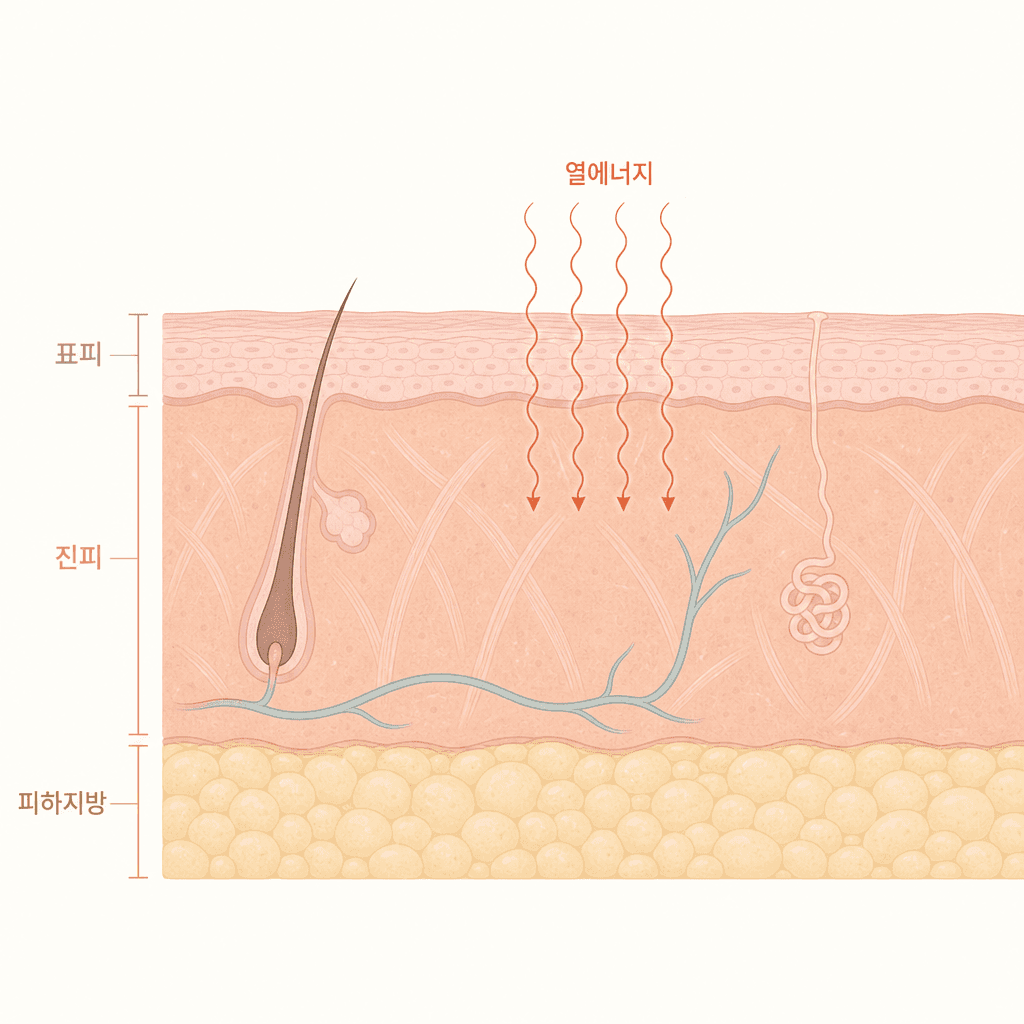
Alltite is a lifting treatment that delivers high-frequency (RF) energy deep into the skin layers. High frequency generates heat within the skin, which instantly contracts existing collagen and stimulates the production of new collagen over time. Understanding that RF energy delivers heat to the dermis to contract collagen and induce regeneration over time makes it clear why this treatment targets both immediate elasticity and gradual, long-term improvement.
Because high frequency uses an electrical current rather than light, it is less affected by skin tone or melanin. This is why it has established itself as a treatment designed to firm up deep elasticity and sagging.
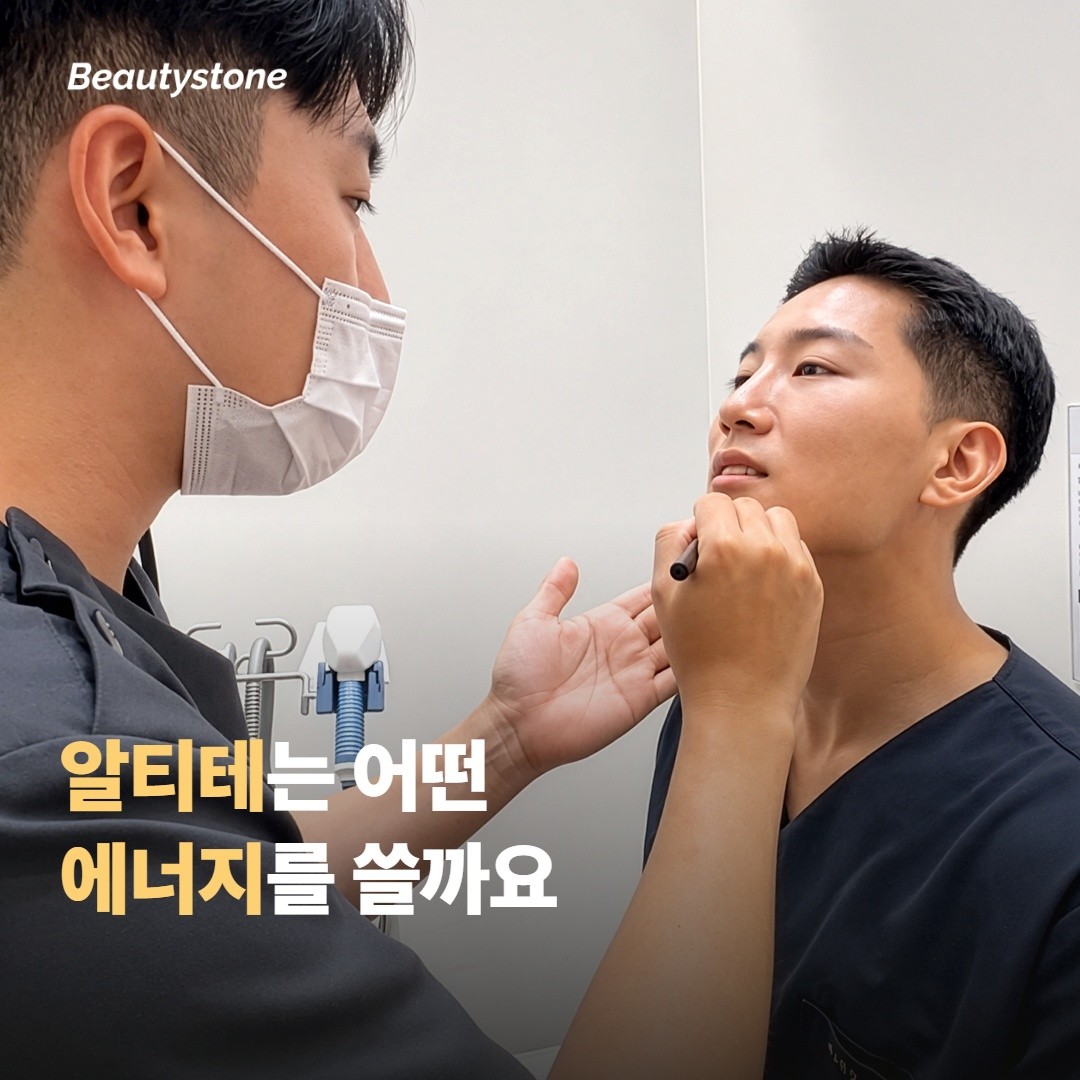
How is Titanium Lifting different?
Titanium Lifting is a treatment that uses laser energy rather than high frequency. It delivers a specific wavelength of laser light into the dermal layer to generate heat, which in turn stimulates collagen. Knowing that a 1064nm wavelength laser warms up the dermis to stimulate collagen shows that while Titanium Lifting shares a similar goal with Alltite, the path to reaching that goal is completely different.
Since lasers use light energy, they also act on the surface texture and tone of the skin. Therefore, they are often used to target both skin refinement and a natural, healthy glow rather than just deep elasticity. In short, while Alltite firms up the deep layers using electrical currents, Titanium Lifting warms the dermis using light.

So, which energy is suitable for my concerns?
The key to your choice depends on "what you want to improve the most." If deep sagging and loss of elasticity are your primary concerns, Alltite using high frequency is recommended. If you want skin refinement along with a natural boost in elasticity, Titanium Lifting using laser is a great fit. Both treatments are not just one-offs; they build up improvement when repeated at regular intervals.
Comparison | Alltite | Titanium Lifting |
|---|---|---|
Energy Type | High Frequency (Current) | Laser (Light) |
Target Depth | Dermis and SMAS layer | Dermal layer |
Primary Focus | Deep elasticity & sagging | Skin refinement & natural glow |
Pigmentation Effect | Less affected | Depends on wavelength characteristics |
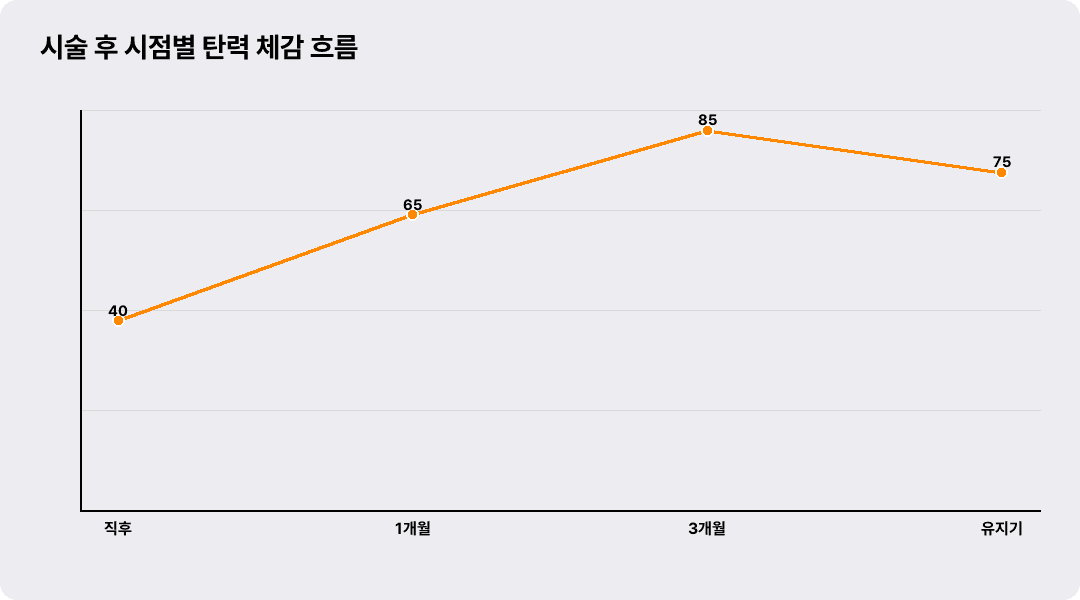
When looking at how the improvement in elasticity develops over time, details show that it gradually settles and improves rather than showing immediate final results.
Why choose Beautystone in Hapjeong?
Rather than simply declaring “one is better than the other,” Beautystone in Hapjeong first helps you identify whether your main concern is deep sagging or surface skin texture. Even for lifting, if the energy used is different, the suitable concerns and intervals will differ. As a cozy clinic conveniently located within walking distance of Hapjeong Station, we focus on monitoring your progress and planning your next steps together, rather than pushing for a single treatment.
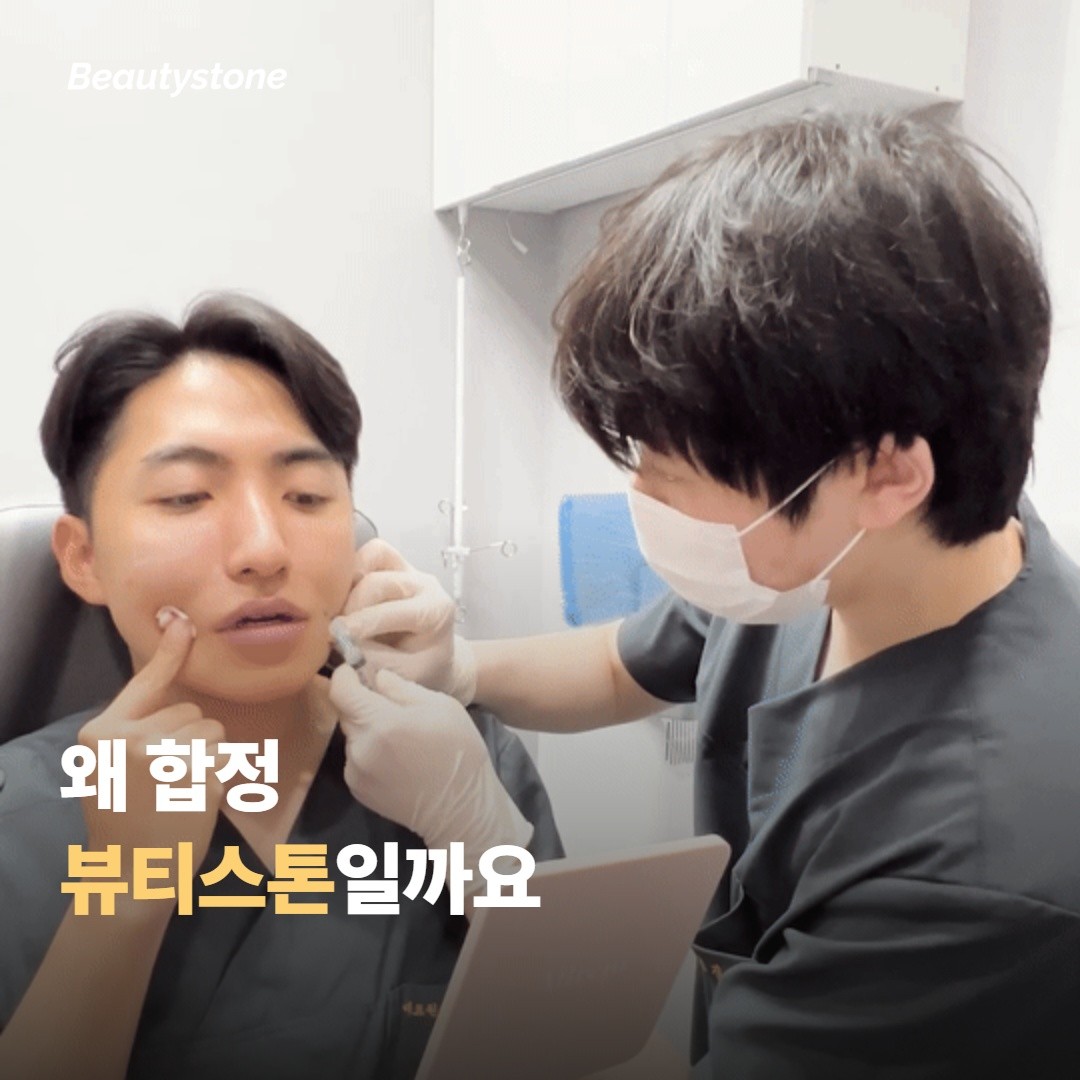
Recovery after treatment: common reactions and signs to watch out for
Since both Alltite and Titanium Lifting are thermal treatments, mild skin reactions are common for a few days immediately after the procedure. Most of these resolve naturally without any special treatment.
Mild redness and warmth — usually subsides within a day
Light swelling — common and generally decreases within a few days
Dryness — the skin may feel slightly tight, so applying moisturizer helps
During the recovery period, it is best to avoid saunas, hot baths, intense sun exposure, and alcohol for a few days, and focus on moisturizing and sun protection. Please consult your medical provider if you notice any of the following signs:
Redness or warmth that worsens instead of improving
Blisters or prolonged burning sensations — signs that suspect excessive thermal stimulation
Swelling and pain that do not subside even after several days
This article provides general information, so it is always safest to consult with a medical professional directly to choose the right treatment for your personal skin condition.

Frequently Asked Questions
Q. Can I get Alltite and Titanium Lifting together?
A. Since they use different energy types, they are sometimes combined at different intervals depending on your goals. However, the best combination for a single session must be decided based on your skin condition and recovery rate, so it is best to consult with your medical provider. If it is your first time, starting with one treatment to observe how your skin reacts is a safer approach.
Q. Which of the two is more painful?
A. Pain tolerance varies depending on the type of energy, intensity, and individual differences, so it is hard to say that one is definitely more painful. Both procedures are typically performed after reducing sensitivity with numbing cream. If you are concerned about discomfort, discussing numbing options with your medical provider beforehand can help ease your mind.
Q. Will I see results immediately after the treatment?
A. While there is an immediate feeling of tightness right after the session, the true collagen-boosting changes appear gradually over time. Rather than judging the results immediately, it is best to observe the progress over several weeks. The exact interval for treatments depends on your skin, so you can decide during your consultation.
Q. Is it safe for skin with pigmentation?
A. The RF energy used in Alltite is electrical, not light, meaning it is less affected by pigmentation. Titanium Lifting uses lasers, which may act differently depending on the wavelength characteristics. To ensure it is safe for your skin, we recommend consulting directly with your clinic doctor.




Contouring & Volume
Hip Dip Filler Before and After: 4 Checks

Body
Potenza Treatment Interval: Why 4 Weeks?

Lifting
Ultherapy Before and After: Why Wait 90 Days?

Contouring & Volume
Belotero Revive Cost: 2cc Price vs. 3 Sessions

skin
Lip Hyperpigmentation Laser: Does It Work?

Contouring & Volume
Men's Forehead Filler: Hollow or Just Lines?