

Potenza uses needles; the no-needle InMode option doesn't. What studies report on pain, which pore types each fits, and how to plan sessions on a Seoul trip.
Published
Updated

Author
Wi Young-jin · Chief director
Seoul National University College of Medicine · Seoul National University Hospital Specialist
→
Potenza tends to hurt more than the no-needle InMode treatment, because Potenza places fine needles into the skin and the no-needle option only heats it from the surface. How much Potenza hurts, though, depends more on the settings, the area, and the numbing than on the device name, and for the pores themselves the needle route works more directly.
If you're planning a trip to Seoul and your pores still show through your makeup, you've probably seen both names on the same treatment menu and wondered whether one is simply the gentler version of the other. They aren't. They reach the pore in different ways, so the better choice starts with what's making your pores look big, not with which one sounds less scary.
In this article, we'll cover what the pain studies actually report, whether there's a needle in each treatment, which pore types each one fits, what's normal afterward, and how to fit sessions into a trip.
How Much Does Potenza Hurt? Settings Matter More Than the Name
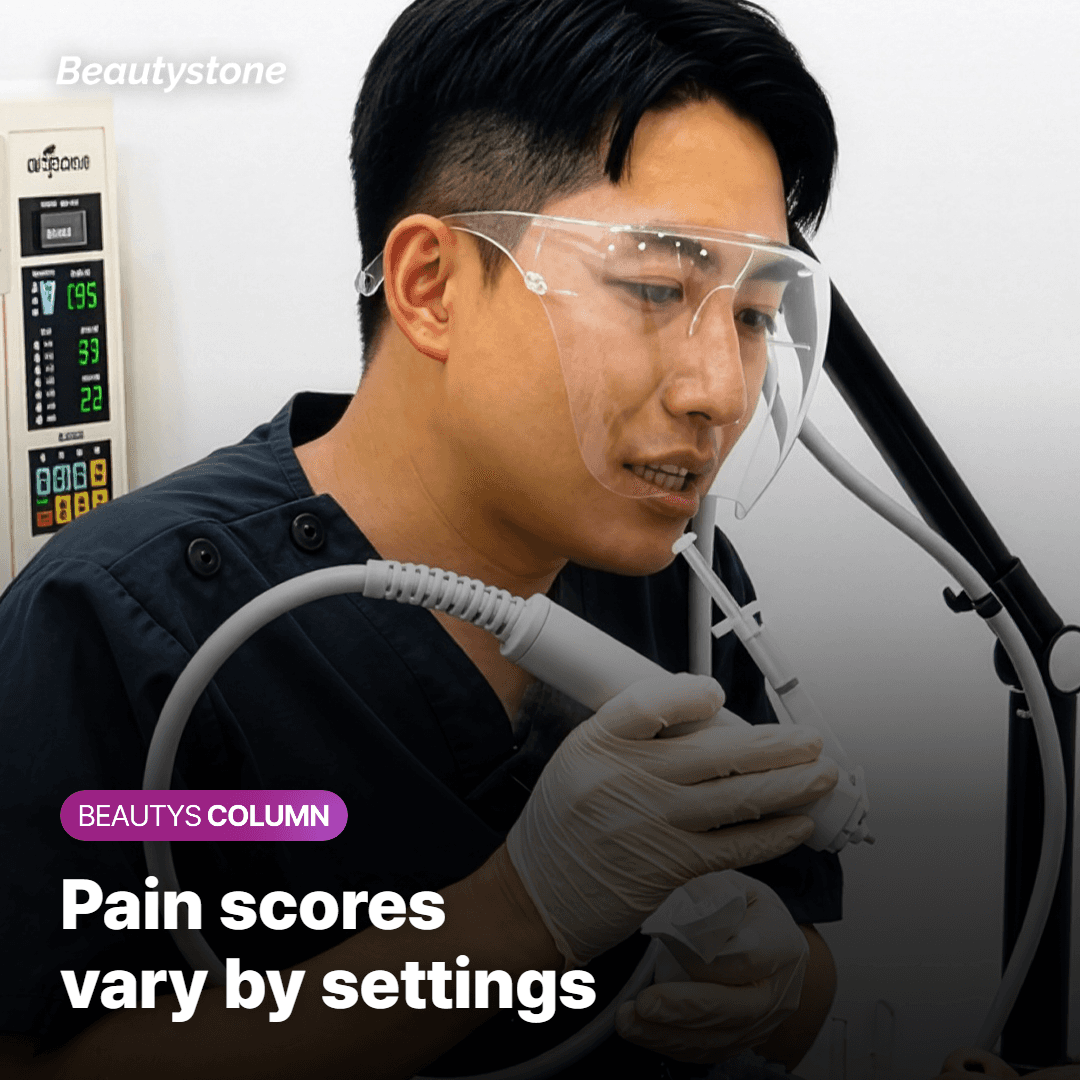
Potenza does sting, and the number people report swings widely from one study to the next. Potenza belongs to a group called microneedle radiofrequency (RF): tiny needles go into the second layer of skin, the dermis, and release heat at their tips.
Here's the part most comparisons skip. In a small study of a different microneedle RF device, the average pain score patients reported was 1.5 on a 0 to 10 scale.
Neither study used Potenza, and they differed in device, settings, numbing, and the people treated, so the gap can't be pinned on any single factor.
What this means for you: "How much does Potenza hurt?" doesn't have one answer. The more useful questions are how deep the needles go on each area, how strong the energy is, and how long the numbing sits before treatment starts.
If needles are what worries you most, say so before anything is set. It's a reasonable reason to adjust the plan, and sometimes a reason to start with the no-needle option instead.
Is There Any Needle in InMode? What Each One Does to a Pore
The no-needle InMode treatment has no needles; it warms the skin through a handpiece that glides on the surface. Potenza does use needles, which is why the two feel and heal so differently.
One naming trap is worth clearing up. InMode is a company name, and its lineup also includes a fractional RF microneedling device, Morpheus8. So if you've searched "InMode microneedling," you were looking at a needle treatment, not the no-needle one compared here.
Here's how the two reach a pore:
Potenza (needles): Heat is released inside the dermis right around the pore. As the skin heals, new collagen firms up the wall of the opening, so the pore can look tighter.
No-needle InMode (surface heat): Heat travels down from the surface without breaking the skin. It works on firmness across a broader area, so its effect on pores is indirect.
What you feel: Potenza feels like a series of sharp pricks with heat. The no-needle option feels like strong warmth.
What you see after: Potenza can leave redness and tiny marks where needles entered. The no-needle option usually leaves only a flush.
The pore studies cited in this article were all done with microneedle RF, not with the no-needle version. That's a big part of why, for pores as the main complaint, I'd put Potenza first and treat the no-needle option as the route for firmness.
Which Pores Do You Have? Oily Nose Pores vs. Stretched Cheek Pores
Most large pores aren't one problem. Two things often make them look bigger: oil that keeps the opening stretched, and loosening of the skin that holds the opening's shape. Many faces have both, but usually one leads, and that decides the tool.
Oily pores, mostly on the nose and center of the face: This is where microneedle RF has the most direct evidence. A systematic review of acne studies found that RF treatments consistently reduced measured skin oil by 30%-35%. Those were acne studies, not pore studies, so treat that as a reason the oily type is a fit rather than a promise about your pores.
Stretched, teardrop-shaped pores on the cheeks: These often show up alongside general looseness. Potenza can still help here, but if you also want overall firmness and you'd rather avoid needles on this trip, the no-needle option is a reasonable start.
Both at once: Pick one main target for this trip.
Location on the face matters too. In a study of 75 patients treated for enlarged facial pores with microneedle RF, moderate to excellent improvement after the first session was seen in 13.8% (nose), 8.9% (forehead), and 11.1% (cheeks), and the improvement rate rose with more sessions.
The same study found that a longer pulse width was linked to better results after the first session, and it tied pulse width to improvement in nose pores. That's one reason the nose and the cheeks shouldn't automatically get the same setting.
So if your pores are mainly on an oily nose and you can come back for more than one session across trips, Potenza is the more direct fit. If your cheeks look loose and you'd rather avoid needles this time, start with the no-needle option and judge it against firmness, not against pore size alone.
Side Effects and Downtime: What's Normal and What Isn't
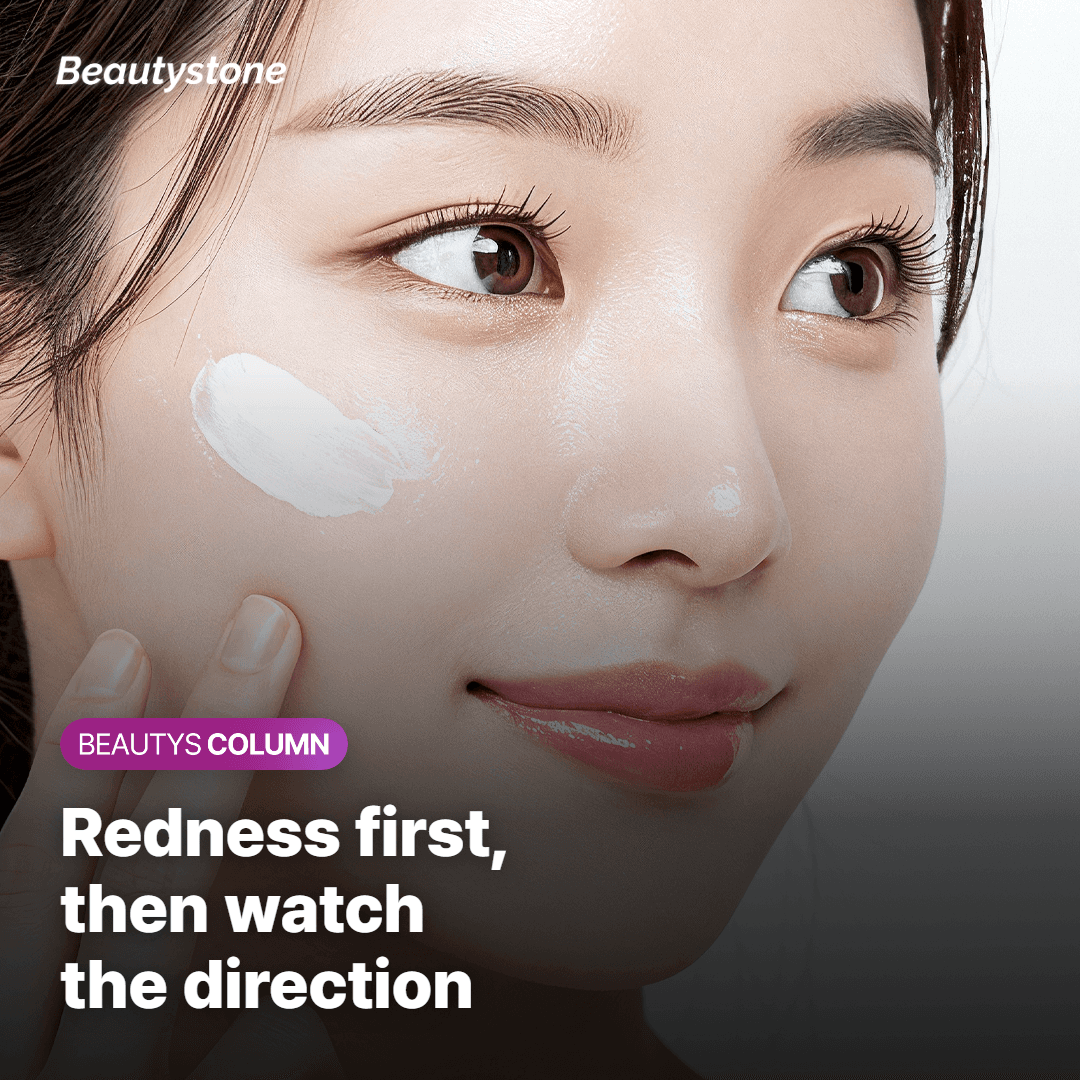
Redness, swelling, and short-lived tenderness are the expected reactions after Potenza; the no-needle option usually leaves only warmth and a flush.
Afterward, the basics help most:
Hands off: Don't pick at tiny marks or dry spots. Let them settle on their own.
Sun: Sunscreen is non-negotiable while the skin is healing, especially on a trip with long days outside.
Watch the direction: Redness and swelling should fade day by day. If they worsen or spread instead, contact your provider right away.
Seek medical care right away for spreading redness, pus, fever, blistering, or pain that keeps getting worse.
Before booking, tell the doctor if you're pregnant or breastfeeding, if you have active acne or a cold sore in the area, if your scars tend to thicken (keloids), if you've taken isotretinoin recently or are on medication that makes skin sensitive to light, or if you have metal implants in the treated area.
Within Your Seoul Trip: Flights, Sessions, and After You Fly Home
My view on flights is simple: unless you've had sedation that day, there's no reason to push back a flight because of the treatment. How you'll look in photos the next day depends on the settings and your skin, so ask at the consultation instead of assuming.
A single visit still means something. For pores, the change is gradual rather than dramatic, and the first-session numbers above show why. Most of the payoff comes as sessions add up.
That makes pores a good match for repeat trips. In the cheek-pore study, patients had three sessions spaced 1 to 3 months apart, and the pore score dropped significantly after three sessions. If you visit Seoul a few times a year, sessions can line up with your trips; how far apart is right for your skin is worth settling at the first visit.
After you fly home, you can send photos of the treated area through WhatsApp if something looks off. If you see clear warning signs such as pus, spreading redness, or fever, see a local doctor first.
The Bottom Line: Pick by Pore Type, Then Ask About Settings
Potenza uses needles and usually stings more; the no-needle InMode option warms from the surface.
Reported pain for microneedle RF ranges widely, and settings, area, and numbing shape it.
Oily nose pores point toward Potenza; loose cheeks with needle worries point toward the no-needle option.
One session moves pores a little; results build across sessions.
Like any procedure, it comes with trade-offs, and the choice depends on your skin, your goals, and your schedule.
One variable is worth taking into the consultation: the setting isn't one number for the whole face. Ask to see three things on your plan: the needle depth for each area, whether the nose and cheeks get different energy or pulse settings, and how many sessions are planned and how far apart. A plan that answers those for your nose and cheeks separately is built for your pores, not for the device.
A doctor sorting out whether oil or loosening is driving your pores, and whether you need needles at all, is the first step. We're in Hapjeong, one stop from Hongik University Station on Line 2. If you're considering Potenza or the no-needle option, send Beautystone a message on WhatsApp such as: "I'm in Seoul from [dates]. My pores are mostly on my [nose/cheeks]. Could a doctor look at these photos and tell me which option fits?" Attach a daylight photo of the area, front and side.
![[Wi Young-jin] CureJet vs Potenza: cleanse or remodel?](https://framerusercontent.com/images/2raXkXYV4e1v80g7u2Tb6KKkCQ.jpg?width=1080&height=1080)


Contouring & Volume
Glabella Botox Side Effects: Droopy Eyelids

Contouring & Volume
Juvelook Volume Not Working After 3 Sessions?

Contouring & Volume
Hip Dip Filler Before and After: 4 Checks

Body
Potenza Treatment Interval: Why 4 Weeks?

Lifting
Ultherapy Before and After: Why Wait 90 Days?

Contouring & Volume
Belotero Revive Cost: 2cc Price vs. 3 Sessions