

Does quitting radiofrequency lifting leave you saggier than before? How fast results fade, how to tell fading from aging, and how to time the next session.
Published
Updated

Author
Wi Young-jin · Chief director
Seoul National University College of Medicine · Seoul National University Hospital Specialist
→
You had one lifting session, liked how the lower face looked, and then the question showed up when it was time to think about the next one. If you stop, does everything come crashing down harder than before you ever started? It's one of the two most common worries people bring to a consultation about radiofrequency, the other being whether one session locks you into a lifetime schedule.
Those two worries sound like the same question, but medically they aren't. One is about whether the treatment creates a dependency in the tissue. The other is about how we perceive a slow return to baseline while we're also getting older.
In this article, we'll walk through what actually happens in the skin when you stop, how quickly the gains fade, how to separate that fading from ordinary aging, what side effects are worth knowing about, and how to think about timing and cost before you commit to another round.
Does Stopping Make You Sag More Than Before?
The short answer is that no known mechanism explains skin dropping below where it started simply because you stopped.
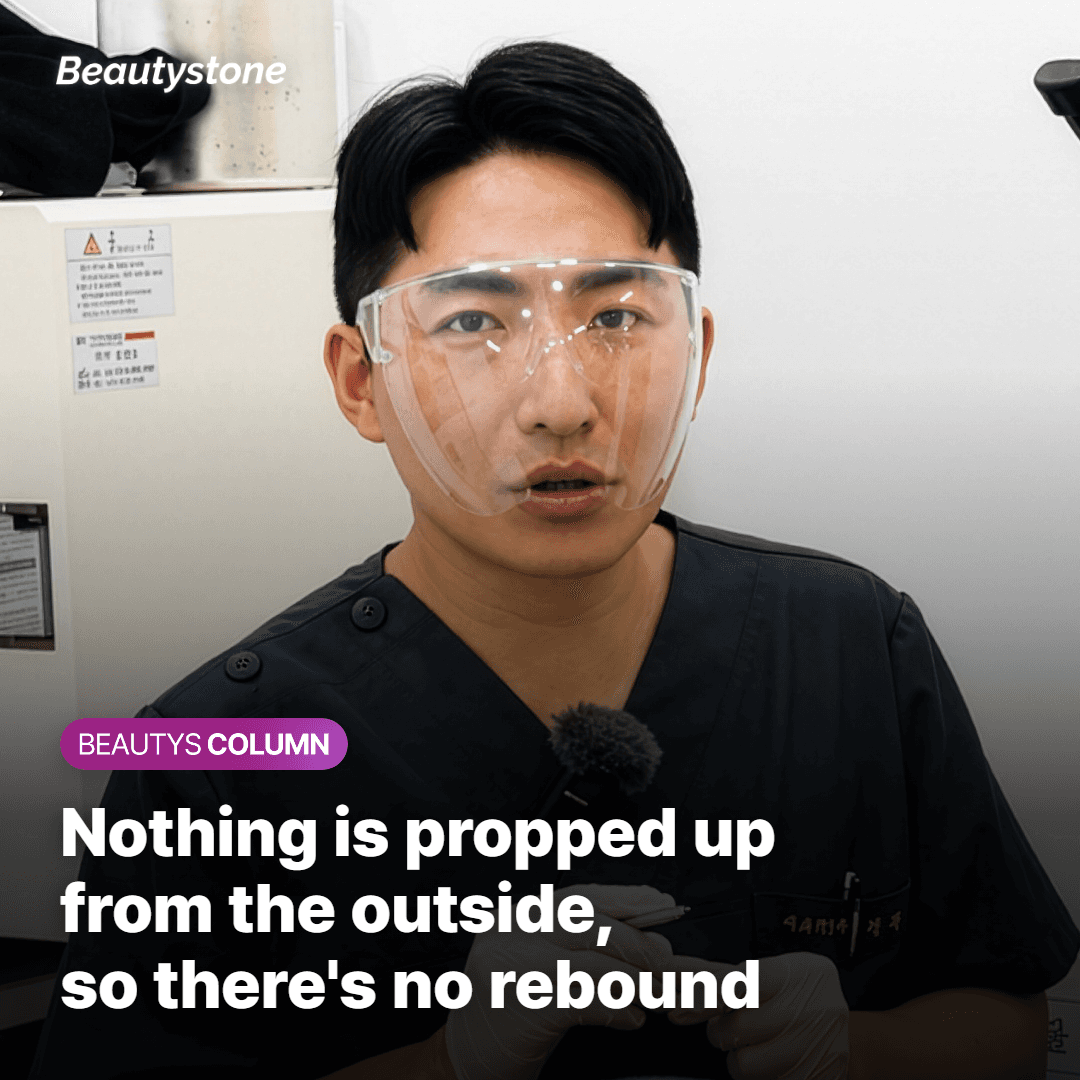
Oligio X is a radiofrequency (RF) device that delivers heat into the deeper dermis rather than the surface. That heat causes existing collagen fibers to contract right away, and over the following months the body lays down a fresh set of fibers to replace what was remodeled. In other words, the device speeds up a turnover process the skin was already running on its own. Nothing structural is inserted from the outside to prop the tissue up.

A gym comparison makes this easier to picture. When you stop training, muscle drifts back toward where it was before you started, not below it. Skin behaves in a broadly similar way. A review of how radiofrequency devices work describes the effect in terms of heat-driven fiber remodeling, and nothing in it suggests that pausing treatment weakens the tissue.
So why do so many people feel like things got worse after they stopped? Two things overlap. The gains fade with time, and meanwhile aging keeps moving at the same speed it always did. When both happen at once, a simple return to baseline gets read as a decline. Whether what you're seeing is a return or a genuine progression is something a doctor should assess in person, since it varies a lot from face to face.
How Long the Results Actually Last
Most people notice the effect softening somewhere between six months and a year, though that range is an average and individual results vary widely.
The new fibers built after heating have their own life cycle. They get turned over like any other tissue, so this isn't something you do once and keep forever. The fade also doesn't arrive as a cliff on a particular morning. It's closer to a gentle downhill slope. A report following patients over time shows the same pattern of results easing off gradually rather than dropping suddenly.
That gradual shape is exactly why people who look in the mirror every day tend to miss it, and only notice when an old photo turns up. How fast it happens also depends on your starting skin thickness and elasticity, sun exposure habits, weight changes, sleep, and smoking. Because of all that, there's no fixed number of sessions or fixed interval that fits everyone. A doctor working from your actual skin is in a better position to set that than any general rule.

Telling Faded Results Apart From Normal Aging
Look at where the change is showing up. If it's the treatment effect wearing off, the firmness retreats specifically in the areas that responded to the device.
Age-related change works differently. Bone shape and fat volume shift little by little, which alters the overall impression of the jawline and midface even in areas you never treated. A discussion of skin aging treats these as separate pathways rather than one continuous process.
The most practical habit is to keep front and three-quarter photos taken under the same lighting. Comparing memory to memory pulls you around emotionally. Comparing a photo to a photo lets you look calmly and decide whether this is a return to your own baseline or a step further along. It also gives your doctor something concrete to plan the next session around.
Side Effects and Safety Points Worth Knowing
Side effects from radiofrequency treatment are uncommon and usually temporary. Redness, mild swelling, or a tight feeling for the first few days are the typical ones. That said, the chance isn't zero, and a smaller number of people experience burns, blistering, patchy pigment changes, or numbness that lasts longer than expected.
If pain keeps escalating instead of settling, if the skin blisters or breaks open, or if numbness carries on past two weeks, don't wait it out at home. Contact the clinic that treated you or see a dermatologist promptly.
Worth separating out: the risks in this section come from the procedure itself and from how the energy settings are chosen. Taking a break carries none of them, because there's nothing being done to the tissue while you wait.
Who Should Wait Before Booking
Some situations call for postponing, or at least for a case-by-case assessment before anything gets scheduled.
Pregnancy or breastfeeding
Implanted electrical devices such as a pacemaker
Active infection, inflamed rash, or an open wound in the treatment area
A chronic skin condition currently flaring, or a history of raised scarring
Recent filler or thread lifting in the same area
This list doesn't cover every case. Tell your doctor about your medical history, any medication you're taking, and past procedures before you book. The final call on suitability belongs with the doctor examining you.
What to Consider Before Deciding on the Next Session
Pausing is a reasonable option in itself. When you do want to come back, you simply start from whatever your skin looks like at that point. With that as the baseline, a few things are worth keeping in mind.
Stacking sessions close together doesn't mean the effects simply add up
Turning the energy higher doesn't extend how long results last, but it does raise the chance of side effects and a longer recovery
Right after a significant weight change is the easiest time to confuse body changes with treatment effects
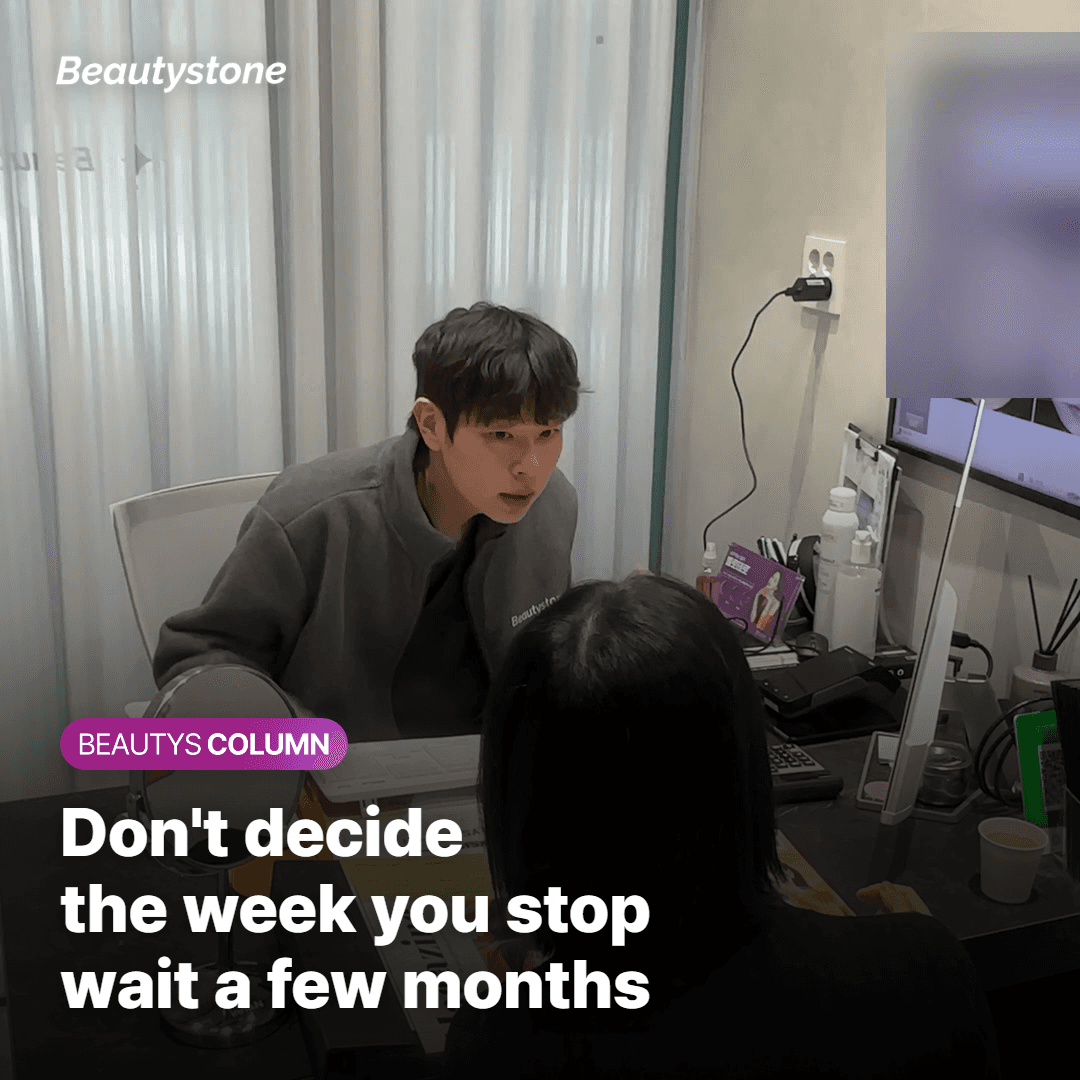
Deciding several months after you stop is easier than deciding the week you stop
On timing, treating roughly six months to a year as a starting reference and then adjusting to how quickly your own results fade is the workable approach. A comparison across several device platforms also assumes maintenance sessions are spaced out rather than stacked. How many sessions suit you specifically comes down to your doctor's assessment.
On cost, pricing generally tracks the number of shots used, the area treated, and the handpiece model, so two cases that look similar from the outside can land in different ranges. A clinic should assess you in person and give you the range before anything starts. Note that figures you hear from other people are ballpark references rather than a price that applies to everyone, since the plan is built around one face at a time.
The Bottom Line
First, there's no known mechanism by which stopping treatment causes skin to sit lower than it did before you started.
Second, what's really happening is that the gains fade over several months to a year while aging continues at its own pace. Third, the way to keep those two apart is to look at which areas changed and to keep photos under consistent lighting for comparison.
Fourth, the hesitation that brought you to this article isn't really a question about avoiding a rebound. It's a question about how much of your current state you'd like to hold onto, and for how long.
At Beautystone in the Hapjeong district of Seoul, we record the settings used and how your skin responded at every visit, so you can look back and see how much has actually faded since last time. A free consultation is available over LINE before you decide anything. Even if you're still only weighing up whether there should be a next session, you're welcome to get in touch.
Frequently Asked Questions
Q. If I start, do I have to keep going forever?
A. No. There's no mechanism that leaves you saggier than before once you stop, only the gradual fading of what you gained. Whenever you want another session, you start from whatever your skin looks like then.
Q. How long after stopping until I'm back to where I was?
A. It varies, but most people find the effect eases off over roughly six months to a year. It isn't a sudden reversal on one particular day, and your doctor can assess where you actually are.
Q. Will more frequent sessions make results last longer?
A. Stacking sessions in a short window doesn't mean the effects add up. How long results hold depends on your skin's baseline and your lifestyle, so spacing sessions as your doctor advises makes more sense than crowding them.
Q. When is the best time to decide about the next session?
A. Not immediately after stopping. Looking at your skin several months later makes the decision much clearer. Keeping photos taken under the same lighting gives you something concrete to compare, and a free consultation can help you read them.





Lifting
Ultherapy Before and After: Why Wait 90 Days?

Contouring & Volume
Belotero Revive Cost: 2cc Price vs. 3 Sessions

skin
Lip Hyperpigmentation Laser: Does It Work?

Contouring & Volume
Men's Forehead Filler: Hollow or Just Lines?

Contouring & Volume
Calf Botox Timeline: When to Book Session 2?

Contouring & Volume
Thread Lift Cost: Smile Lines vs. Full Face?