

Why CureJet prices vary by clinic and per Pores area, with packages and session counts.
Published
Updated
Author
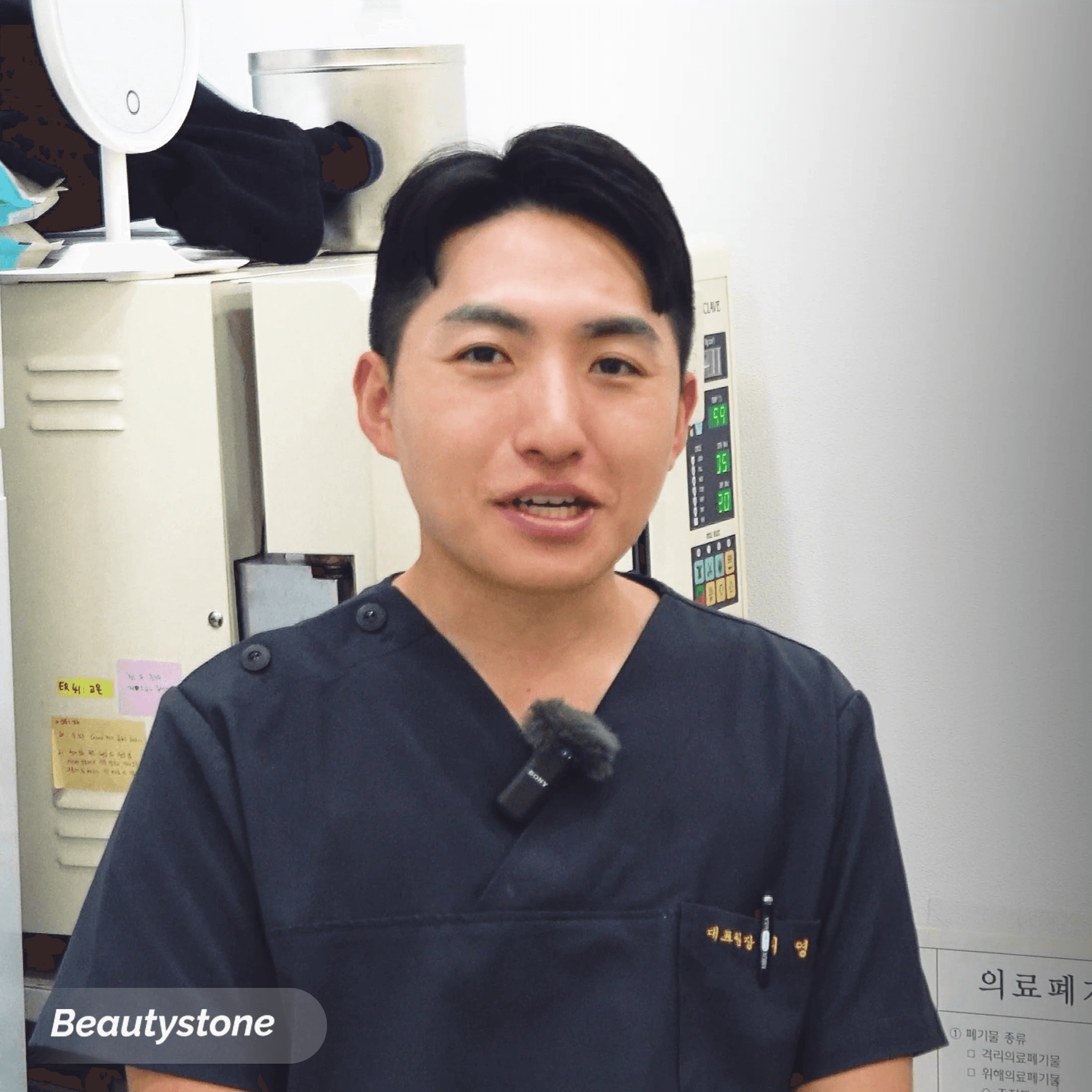
Wi Young-jin · Chief director
Seoul National University College of Medicine · Seoul National University Hospital Specialist
→
CureJet Price,
Honestly, even I thought it was a bit expensive at first
These days, the clinic is packed with pore consultations.
"I got a quote elsewhere, but why is it so different?"
I think I've heard that at least five times this week alone.
Today I'll explain why CureJet prices vary so much,
and how they differ by area and package.

They all seem like the same CureJet, right?
But actually,
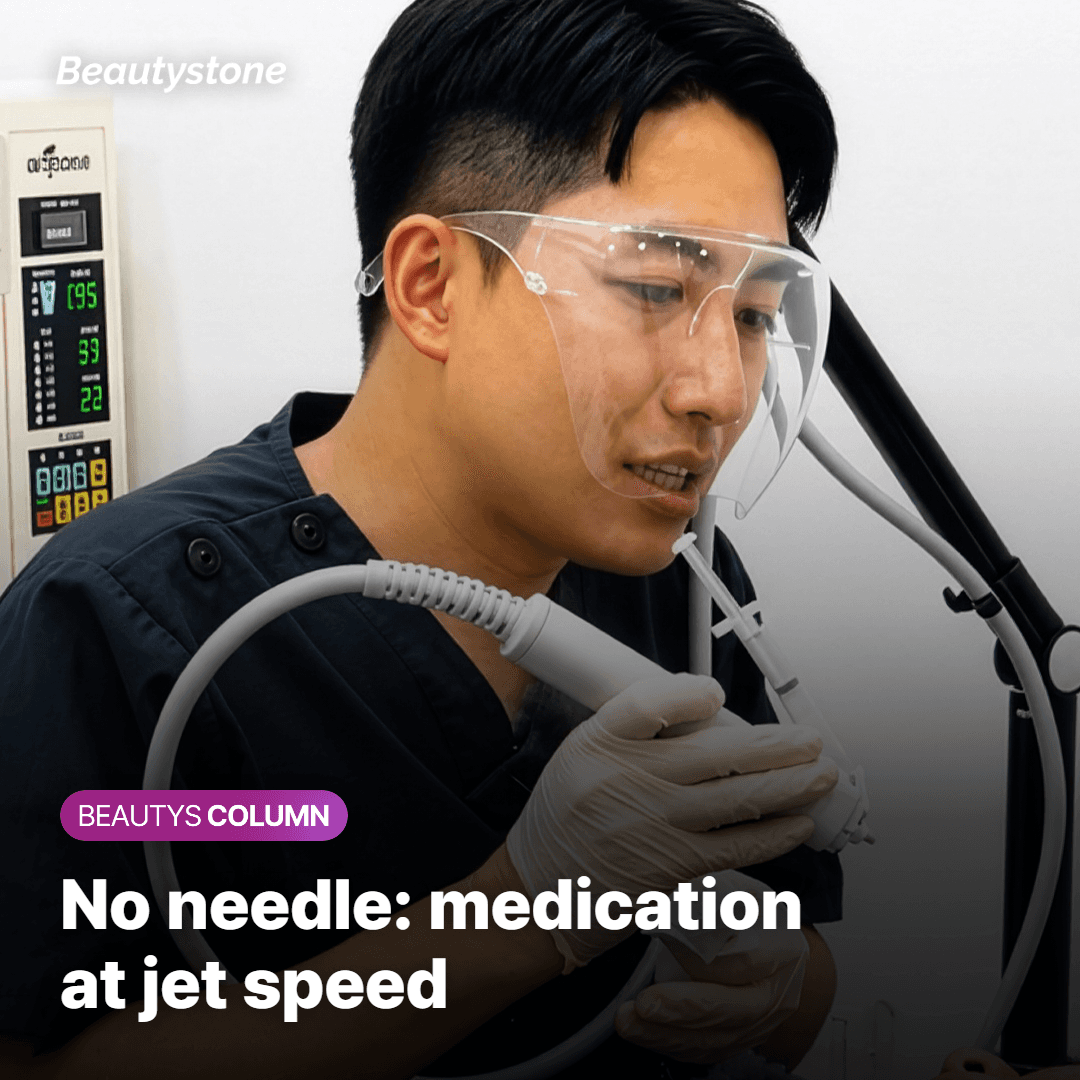
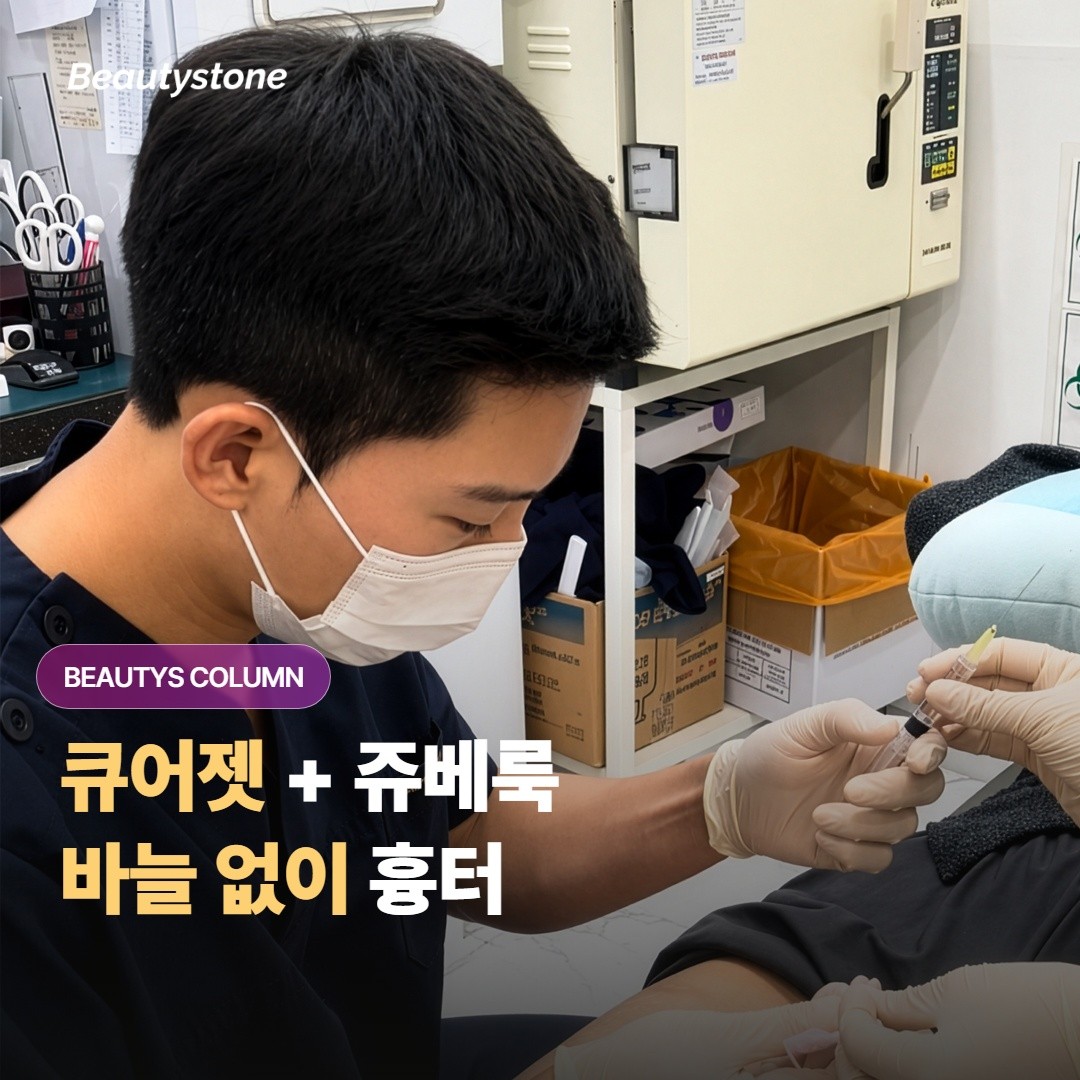
CureJet uses a fine jet spray to deliver medication
beneath the epidermis, so it is a needle-free procedure.
Instead of using needles, it injects medication
at a speed of about 200 m/s.
It is often compared to treatments like Intracel and Potenza,
which are needle RF devices.
These deliver heat directly into the dermis with needles,
so downtime tends to last for a few days.
CureJet, by comparison, has a shorter downtime,
and can be used with medications such as diluted Botox, exosomes, and PDRN.
That's the difference.
So the pricing structure also
varies depending on the type of medication.
Why is it the same CureJet yet
the price differs by as much as two times?
Key point of this article
CureJet single-session costs and package compositions,
and the differences by pore area are organized in detail.
Last month, a 36-year-old office worker came in,
and said they had gotten CureJet once at another clinic for 250,000 KRW.
During the consultation, I found out that what they had received was
CureJet alone with a saline base.
There's a reason some places are cheaper.
There are three key factors that make CureJet prices vary.
First, the type of medication.
Depending on whether regenerative ingredients are included, the material cost alone
can differ by 50,000 to 150,000 KRW per session.
Second, the number of shots.
A full face usually gets 1,500 to 2,500 shots,
and if the shot count is reduced, coverage goes down.
Third, the area treated.
Depending on whether it's around the nose, both cheeks, or the full face,
the price per session ranges from the 100,000s to the 400,000s KRW.
At our clinic, the nose and philtrum are 120,000 to 150,000 KRW,
and the pore zone on both cheeks is around 180,000 to 220,000 KRW.
Director Wi Young-jin's Key Summary
CureJet pricing shouldn't be judged by the per-session number alone.
You need to look at what medication is included, how many shots are used,
and how extensive the treated area is.
CureJet Package Guide by Type
Type | Recommended Composition | Price per Session | Recommended Sessions |
Focused on pores around the nose | Local treatment + diluted Botox | 120,000–150,000 KRW | 3–4 sessions |
Pores + sebum on both cheeks | Pore zone + PDRN | 180,000–220,000 KRW | 4 sessions |
Full-face elasticity + pores | Full face + exosomes | 320,000–380,000 KRW | 3–5 sessions |
Maintenance (existing patients) | Customized composition | 70–80% of the original | Every 2–3 months |
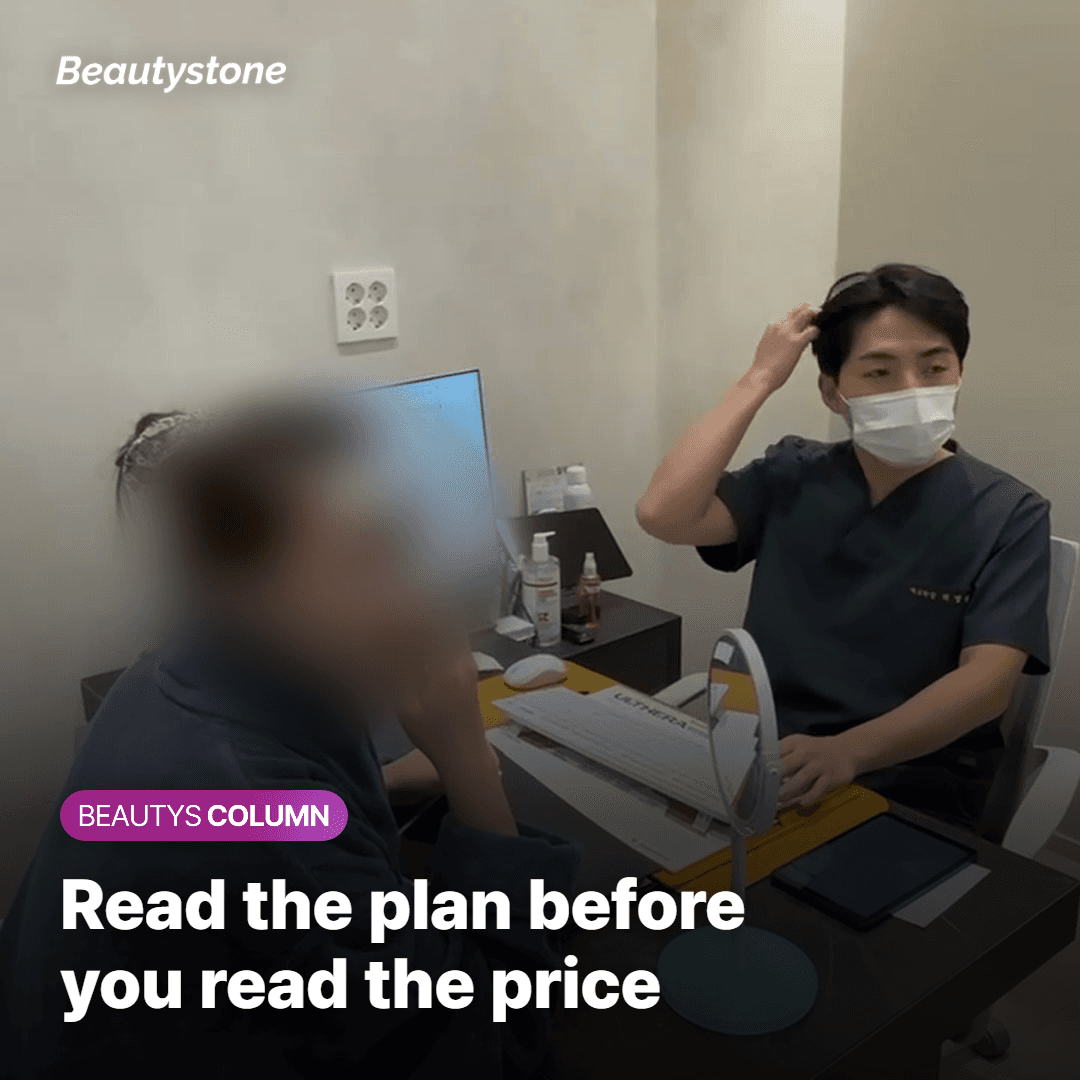
For first-time visitors, we usually suggest trying 1 or 2 single sessions first,
and if the response is good, then moving on to a package.
Three Questions We Get a Lot in the Clinic
Q1. Another clinic is cheaper,
wouldn't it be the same there?
To be honest, the machine is the same.
But the issue is the medication composition and the number of shots.
Places charging 80,000 to 100,000 KRW per session usually use a saline base,
and the shot count is often about half as well.
Q2. How many sessions are needed to see results,
and how long do they last?
Most people start looking in the mirror around the third session
and notice, "My pores have gotten a bit smaller."
The recommendation is 4 sessions at 3- to 4-week intervals,
and maintenance lasts about 3 to 6 months depending on skin type.
Q3. What about side effects or downtime after CureJet?
There may be some redness on the day of treatment, and until the next day
you may feel a slight swelling.
Bruising is rare, but depending on the location of blood vessels,
pinpoint bleeding may be visible for a day or two.
If you're having trouble choosing the area or medication,
please send a skin photo via WhatsApp.
That was Wi Young-jin.
Frequently asked questions
Q. Other hospitals are cheaper. Isn’t it the same if I go there?
A. To be honest, the machine is the same. But the problem is the drug composition and the number of shots.
Q. How many sessions do I need to see results, and how long does it last?
A. Most people start to notice it around the third treatment when looking in the mirror: “My pores have gotten a little smaller.”
Q. What are the side effects or downtime after getting CureJet?
A. It may become slightly red on the same day and feel a little swollen until the next day.
Q. How is CureJet different from needle RF devices like Intracel or Potenza?
A. CureJet is a needle-free system that delivers medications at a speed of approximately 200m/s. While Needle RF uses needles to deliver heat into the dermis, resulting in a few days of downtime, CureJet offers a much shorter downtime and allows for simultaneous drug delivery.




Lifting
XERF for a Thin Face: Depth vs. Hollowing?

Lifting
Thread Lift Swelling: What's Normal in 5 Days?

Lifting
Thermage Cost: 4 Lines to Check on a Quote

Contouring & Volume
Xeomin Cost: Why Do 50-Unit Quotes Differ?

skin
Back Acne That Won't Clear? It Might Be Fungal

Tattoo removal
Bad Brow Tattoo: Cover It Up or Fade It First?