

How much Oligio X hurts, which spots feel it most, and when numbing cream is worth it.
Published -
Updated -

Author
Wi Young-jin · Chief director
Seoul National University College of Medicine · Seoul National University Hospital Specialist
→
If you're looking into Oligio X, the first worry is usually the same: "It's radiofrequency, so won't it burn? Could I even handle it without numbing?" That anxiety about pain alone is enough to make a lot of people put off the treatment.
Here's the short answer up front: Oligio X isn't the kind of pain that's hard to bear. It's more of a "warm, with a quick sharp jolt" feeling. As the radiofrequency heat reaches deeper into the skin you get a hot pulse, but the surface is cooled at the same moment, so it's nothing like a burn. That said, how much you feel does vary by area and by person.
Whether you use numbing cream depends on your pain sensitivity and which area you're treating. It isn't a must, but for sensitive people or more tender spots, numbing cream can help. In this article we'll walk through, case by case, how intense the pain actually is and when we recommend numbing.
This article gathers treatment information from Beautystone in Hapjeong.
In this article
How much pain Oligio X actually involves
What makes the pain feel sharper, and how to ease it
When numbing cream is recommended
What helps reduce discomfort before and after treatment
Oligio X pain: how much do you actually feel?
Oligio X delivers radiofrequency* energy into the dermis to generate heat, and that heat stimulates collagen to firm up the skin. The key is that it warms the deeper layers while cooling the surface at the same time, so even when the heat feels intense, it isn't the kind of pain that damages the surface like a burn.
radiofrequency*: electrical energy (RF) that creates heat beneath the skin to stimulate collagen. It cools the surface while raising only the temperature of the dermis to boost firmness.
This explanation of how radiofrequency heats collagen to drive contraction and renewal, and why you may feel warmth or heat during treatment, makes it clearer why the sensation is closer to "warmth" than pain. Usually you get a brief sharp jolt the moment the energy goes in, and it settles as the device moves to the next point.
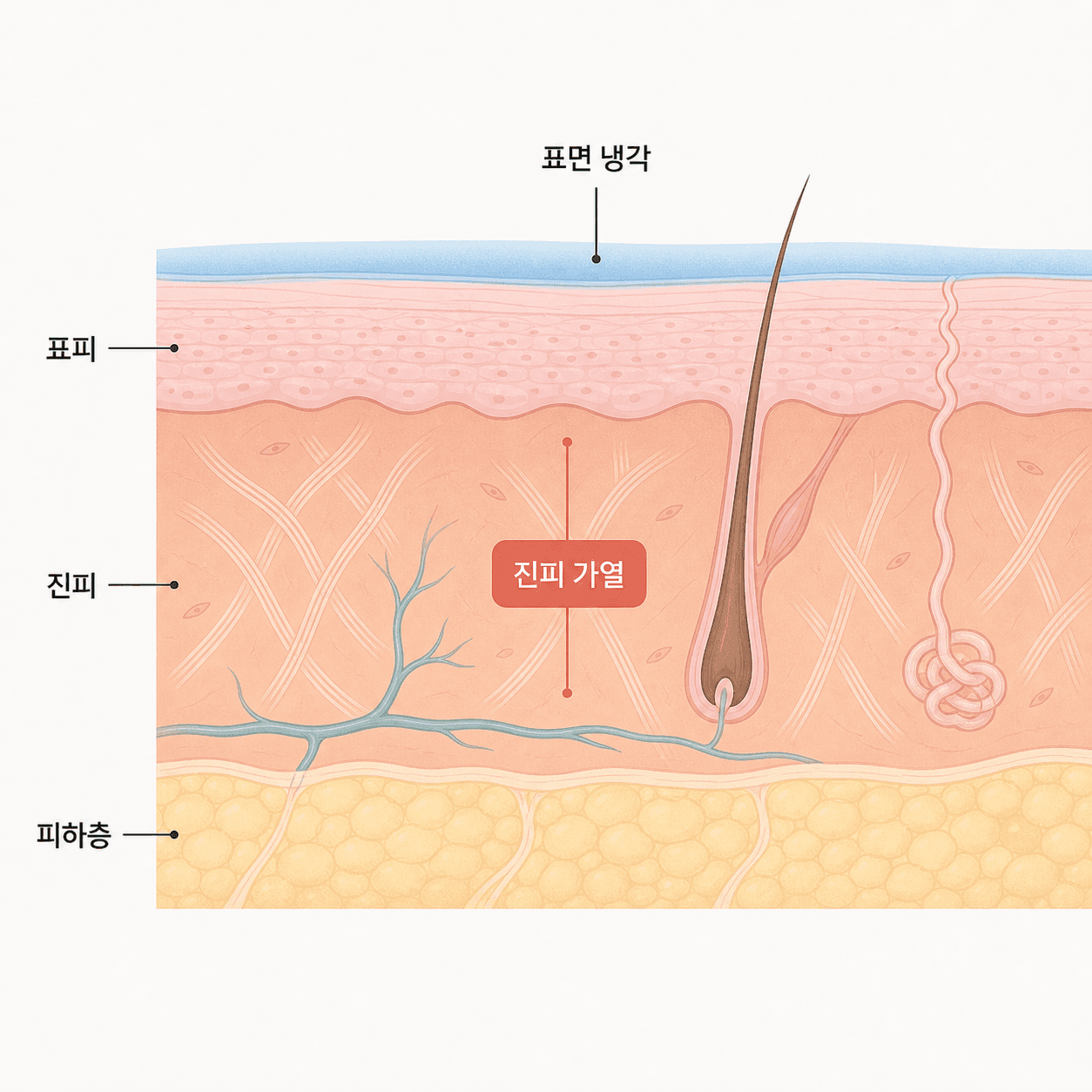
What you feel varies by area. The thinner the skin and the closer it sits to bone, the more distinct the sensation tends to be. Here's roughly how it differs by spot.
Area | Pain felt | Numbing cream |
|---|---|---|
Cheeks | Warm | Usually not needed |
Forehead | A bit sharp | Optional |
Chin / around the mouth | Distinct | Can help |
Around the eyes | Sensitive | Often recommended |
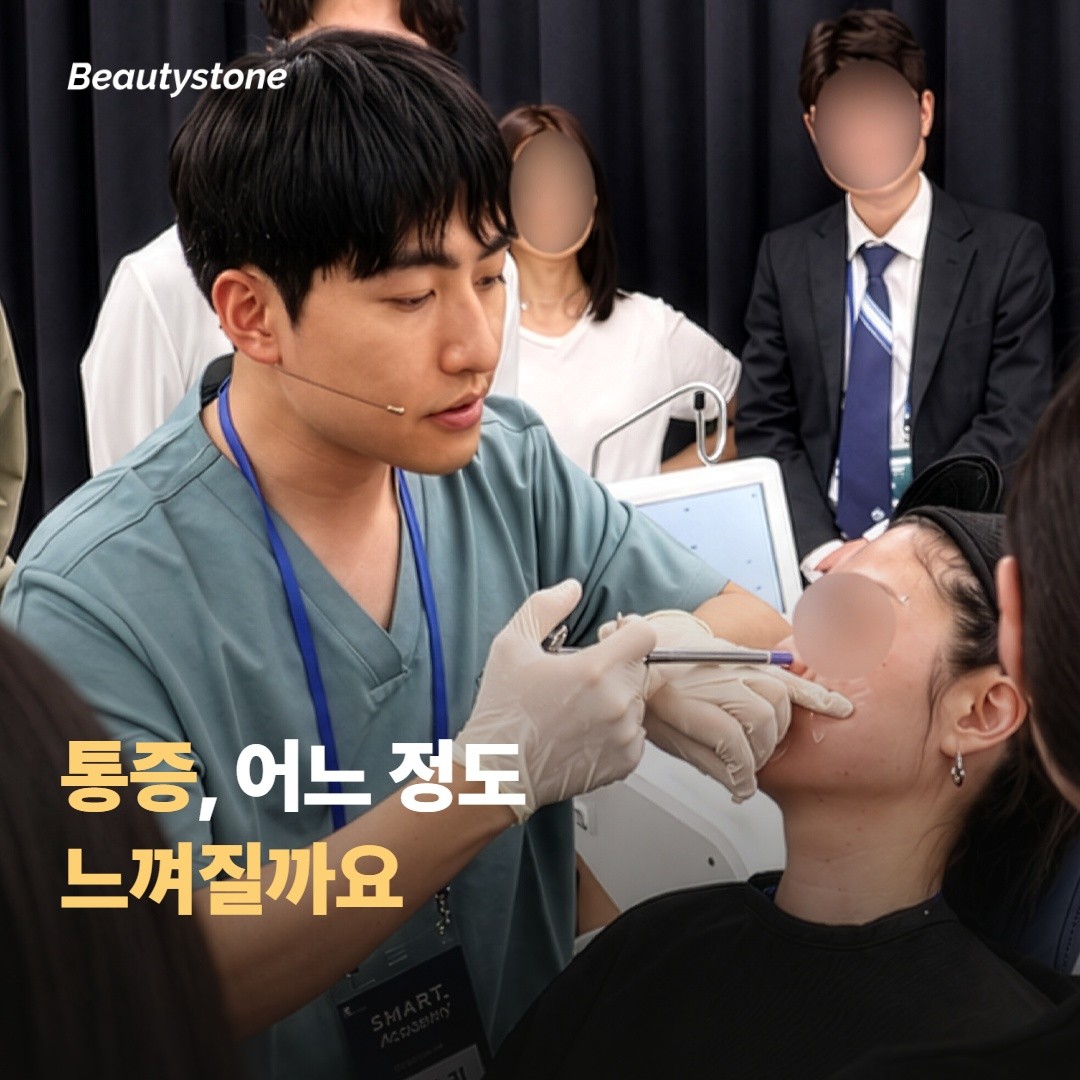
What makes the pain feel sharper, and how to ease it
Even with the same treatment, certain conditions make the pain feel stronger. Knowing them in advance helps you feel ready.
Higher energy levels — the more powerfully the energy is delivered, the more pronounced the heat
Sensitive areas — the chin, around the mouth, and the eye area sit close to nerves, so you feel them more
Off days — lack of sleep or the time around your period can raise your pain sensitivity
Tension — if your body is tense, you'll feel the sensation more strongly
There are also ways to ease the discomfort. If it feels too hot during treatment, don't try to tough it out — say so right away. We can lower the energy or slow the pace. Cutting back on caffeine beforehand, relaxing, and breathing calmly can all change how much you feel. The sharp jolt only lasts a moment at each spot, so focusing on your breathing makes it much easier to handle.
Do you really need numbing cream?
Plenty of people get Oligio X without any numbing cream at all. Because the surface is cooled throughout, it's manageable for most. Still, in the following cases we may apply numbing cream first.
You're sensitive to pain — if injections or stimulation usually bother you, it helps
You're mainly treating sensitive areas — the chin, around the mouth, and the eye area feel more distinct
You're going with higher energy — the stronger the settings, the more numbing eases the load
Numbing cream usually needs about 20–30 minutes to absorb. That adds to your total time, but it lightens the discomfort and makes the treatment much more comfortable. On the flip side, some people feel reassured that "the energy is going in" precisely because they can feel some sensation, so there's no single right answer — it's best to go with what suits you.

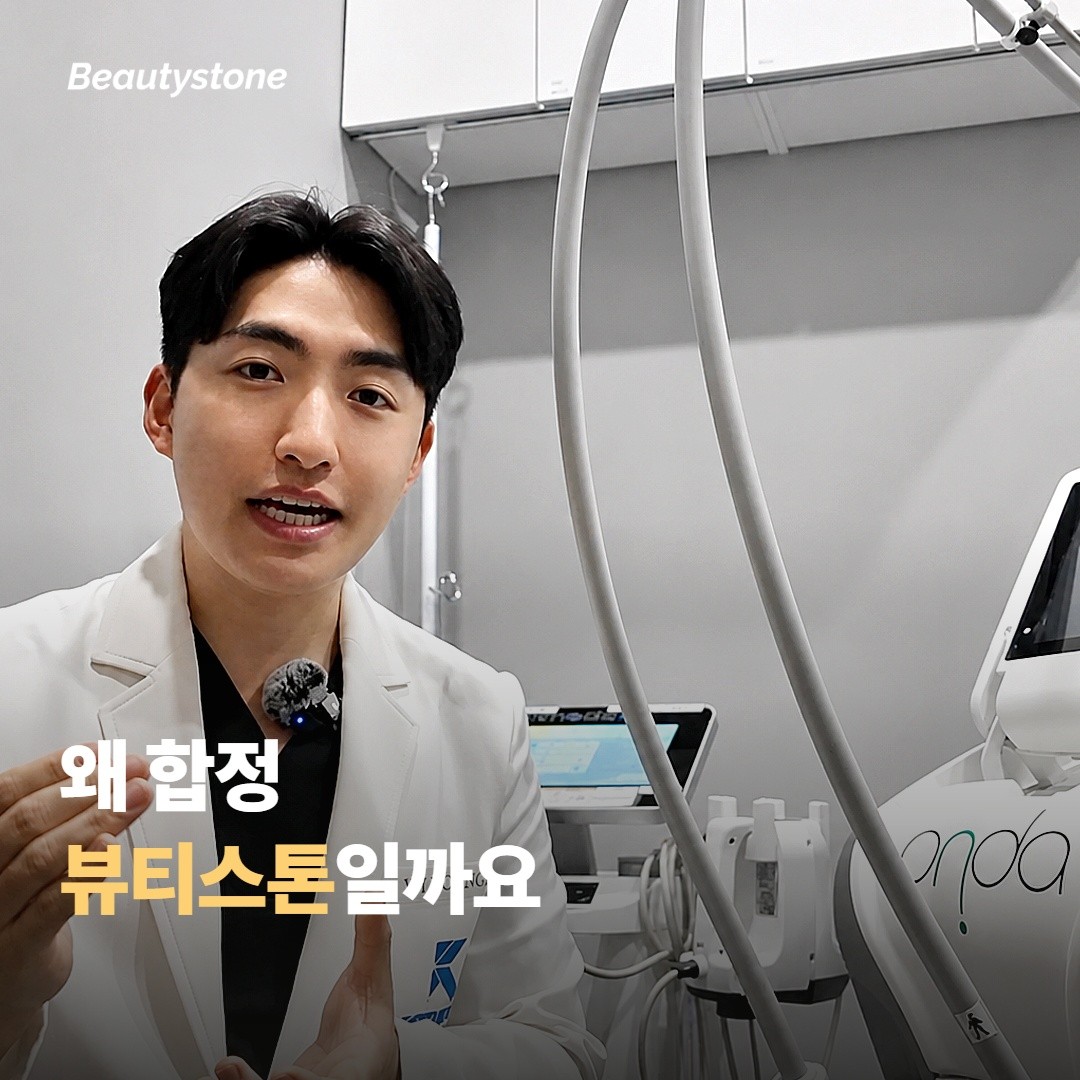
Why Beautystone in Hapjeong?
At Beautystone in Hapjeong, we start by recognizing that even the same Oligio X feels different depending on your pain sensitivity and the area you're treating. For people who are sensitive to pain, we recommend numbing cream, and during treatment we keep checking how strong the sensation feels and tune the energy case by case. We're a small clinic within walking distance of Hapjeong Station, so we can watch each person's reaction directly and adjust the pace and intensity as we go.
What helps reduce pain before and after treatment
You can also lessen the discomfort with how you prep on the day and how you care for your skin afterward. Here's what's worth keeping in mind at each stage.
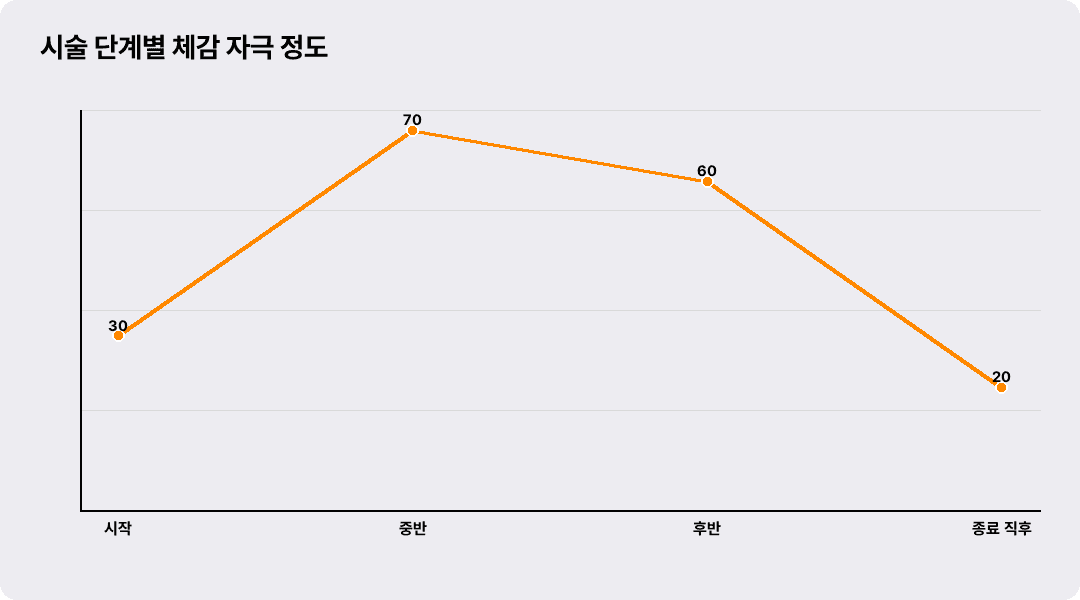
Cut caffeine before treatment — caffeine tends to raise your pain sensitivity a little
Get enough sleep — when you're in good shape, the same sensation feels milder
Speak up during treatment — if it feels too hot, don't hold back, tell us right away
Soothe afterward — gentle cold compresses and moisturizer help calm the heat
Protect from the sun — UV on already-sensitive skin slows recovery
This article pulls together general information, so the safest thing is to discuss your own pain sensitivity and whether you need numbing with the medical staff who examine you in person. The more pain worries you, the more it helps to talk it through before treatment — that way the intensity and numbing can be tailored to you, which puts your mind at ease.

Frequently asked questions
Q. Does Oligio X really hurt a lot?
A. It's not the kind of pain that's hard to bear — it's closer to "warm, with a quick sharp jolt." Because the surface is cooled, it's nothing like a burn. That said, sensitive areas like the chin or eye area and higher energy settings can make the sensation more distinct, so if you're sensitive to pain it's good to mention it ahead of time.
Q. Do I have to use numbing cream?
A. No, it's not a must — plenty of people go without it. But if you're sensitive to pain, mainly treating sensitive areas, or going with higher energy, numbing cream eases the load. Go with what suits you, and if you mention it during your consultation, we can factor in the absorption time when we plan things out.
Q. What if it feels too hot during treatment?
A. Don't tough it out — tell us right away. We can lower the energy or slow the pace. The sharp jolt only lasts a moment at the spot where the energy goes in, so focusing on your breathing makes it easier to handle. Just communicating with whoever is treating you takes a lot of the discomfort away.
Q. Will there be any pain or heat afterward?
A. Right after treatment you may feel a mild warmth or a slight flush. It usually settles within a day or two. Gentle cold compresses and moisturizer help calm it. But if the pain keeps getting worse or lingers for several days, reach out to the clinic where you had the treatment.
Further reading


skin
Ellanse Cost: Duration Beats Price Per Visit

Lifting
Alltite RF: Two Effects, Two Timelines

Contouring & Volume
Why Juvelook Volume Quotes Vary by Clinic

men's
Nose Pore Treatment: Aftercare Timing Guide

skin
How Many Sessions Does Eyeliner Removal Take?

Hair Removal
Laser Hair Removal While Pregnant or Nursing