

Small tattoos need 5–10 sessions, almost a year. Color, depth, and ink matter more than size.
Published -
Updated -

Author
Wi Young-jin · Chief director
Seoul National University College of Medicine · Seoul National University Hospital Specialist
→
If it’s a small tattoo
and they say it can be removed in one session,
is that really true?
If you search for ways to remove a tiny wrist inscription or an ankle line tattoo,
you’ll come across both
the claim that “it’s small, so one session is enough” and
the claim that “5–10 sessions is standard.”
To get straight to the point,
size has almost no impact on the number of sessions.
The real variables are color, depth, and ink composition.
Here’s a quick summary of the parts that first-time patients are most likely to find confusing.

Even small tattoos usually need about the same number of sessions
Even a nail-sized mini tattoo, if you want it removed completely
usually takes 5–10 sessions, and up to 20 depending on color and depth
is typical.
Because the treatment interval is usually 4–6 weeks,
even just multiplying by the number of sessions can take close to a year.
A smaller size only shortens the treatment time per area;
the process of breaking the pigment into tiny particles and letting the body absorb and clear them
is not related to area.
If you let go of the expectation that “it’s small, so it’ll be over quickly,”
your first consultation will feel much easier.

Color and depth determine the number of sessions
Black ink tends to fade the fastest.
Color tattoos, darker areas, and places that have been layered several times
can, even over the same area,
require 2–3 times more sessions.
Like hand-poked tattoos using Debori technique,
if the pigment depth is uneven,
the fading speed can differ even within a single area.
During consultation, instead of asking, "How many sessions will this spot take?"
ask, "What kind of ink or depth means more sessions here?"
That makes the estimate much clearer.

"Just fading it out"
can also be a good choice
If the reason for removing a small tattoo is
to cover it with a new tattoo, or
you only need it invisible when wearing a hanbok or a dress,
then, rather than complete removal,
a "soft fade-out" is often more realistic.
It can cut the number of sessions roughly in half,
and also lower the risk of scarring.
During consultation, instead of asking for "complete removal,"
narrowing the goal to "please remove only up to here"
can reduce cost, time, and recovery burden.
This article is a general information summary.
The actual number of sessions and treatment plan should
be decided safely after consulting a physician who has examined your tattoo in person.
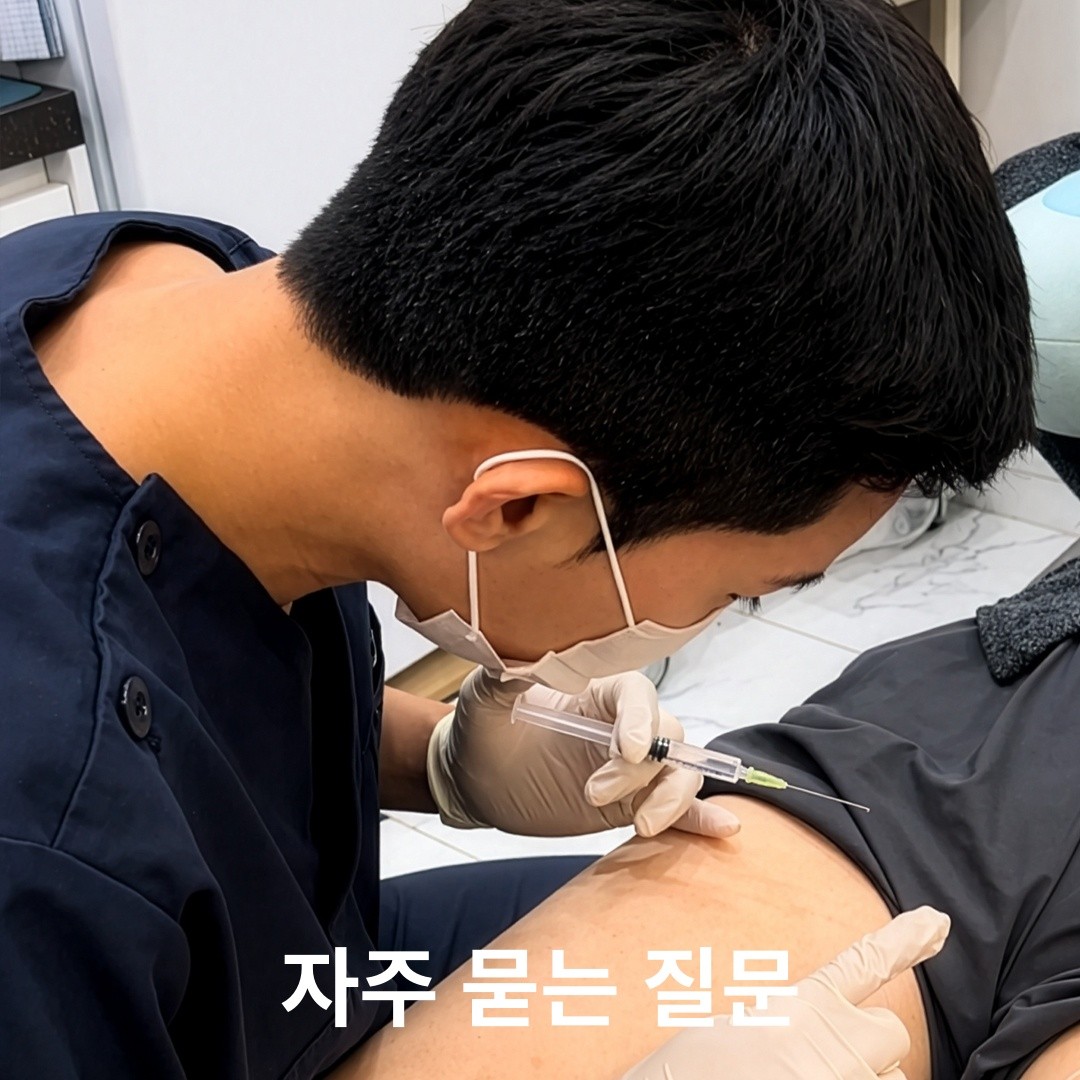
Frequently Asked Questions
Q. A tiny tattoo the size of a fingertip,
can’t it really be removed in just 1–2 sessions?
A. Almost never.
It may fade a little after the first session,
but to see a noticeable change,
it usually takes 3–5 sessions.
Q. If I shorten the interval between treatments
can I finish sooner?
A. We don’t recommend it.
The fragmented pigment
needs time for the body to absorb it,
and shortening the interval increases the risk of scarring and hyperpigmentation.
Q. Can even a small tattoo leave a scar?
A. It’s possible.
However, if you follow aftercare and protect the area from UV,
you’re more likely to end up with
hyperpigmentation rather than a scar.
Also read
Is an old tattoo harder to remove? How many sessions are needed? | Beautystone
PicoWay tattoo removal review: the trap behind the claim that 3 sessions are enough | Beautystone
Because size alone tells you little, our doctors at Beautystone use the Kirby–Desai assessment during consultation to look at skin type, location, ink amount, layering, scarring and colour before suggesting a session range for even a small wrist or ankle piece. It is an estimate rather than a fixed number, and we revise it as your skin responds. If you are in Seoul only briefly, say so, and we can talk through what is realistic during your stay.
Content


skin
Why Does Fractional CO2 Take Longer to Heal?

Contouring & Volume
How Many cc Does Forehead Filler Need?

skin
Why Is My Skin Oily but Tight in the Fall?

Hair Removal
Underarm Laser Hair Removal Cost: Do the Math

Tattoo removal
Laser Before a Cover-Up: How Many Sessions?

skin
큐어젯 다운타임, 다음 날 출근과 화장은 언제부터 될까요?