Dr. Wi Young-jin and Dr. Kim Ga-eul, Directors of Hongdae Beautystone Clinic
Hongdae Beauty Doctor Beauty Stone Clinic

Sedation anesthesia: explain everything in detail

Sedation anesthesia: explain everything in detail

Sedation anesthesia: explain everything in detail

When is sedation anesthesia used? A dermatologist explains in simple terms

Sedation anesthesia: when is it actually needed?


💡 Read this first


Q. Isn't sedation anesthesia only for scary procedures?

A. Not at all. The key factor isn't pain — it's how long the procedure takes.


Q. So how long does a procedure have to be before you'd recommend sedation?

A. Generally, if a procedure runs longer than 1 hour, sedation anesthesia comes into consideration.


💡 Key insight from Director Wi Young-jin

I recommend sedation anesthesia when the procedure takes a long time

Dermatology director explaining when sedation anesthesia is needed


What is sedation anesthesia?

Sedation anesthesia is

an anesthesia method where an intravenous sedative is given

to lower consciousness while you continue to breathe on your own,

creating a state of light sedation.

Unlike general anesthesia,

it's done without airway intubation,

and recovery is quick once the procedure ends.

Simply put, it feels like being asleep while you're actually still lightly conscious.


Why longer procedures call for sedation anesthesia

This is something many people get wrong —

sedation anesthesia isn't used because a procedure is 'painful.'


Sure, pain can be one factor,

but the main reason I actually recommend sedation is

procedure time.

Here's the tricky part:

even when pain is intense, a procedure that wraps up in 10–15 minutes

can usually be handled with local or topical anesthesia.


But the same level of stimulation

becomes a different story once you're past 40 minutes or an hour.

And there's something important to keep in mind here.

The human body is wired to react more sensitively

to ongoing stress over time.


The first 10 minutes might feel fine,

but once 20 or 30 minutes pass,

your pain threshold (the limit of what you can tolerate) drops,

and your muscles start to tense up.


When a patient tenses up,

the treatment area shifts or contracts ever so slightly,

and that has a direct impact on the result.

Honestly,

there are plenty of cases where I recommend sedation purely for the sake of treatment quality.

When the patient is comfortable, I can work with precision.


Working on someone who's perfectly still

versus someone who's tense

makes a bigger difference in the outcome than you'd think.

Explaining the procedure-time criteria for sedation anesthesia

It varies case by case,

but here's how I usually call it.


If a procedure is expected to run longer than 1 hour,

I actively recommend sedation anesthesia.

For 30 to 60 minutes, I decide together with the patient based on their pain sensitivity and the treatment area.


If it's under 30 minutes,

local or topical anesthesia is usually plenty.

Comparison of procedure types using sedation anesthesia

👨‍⚕️ Director Wi Young-jin's takeaway:


The key criterion for sedation anesthesia isn't 'how painful it is' but 'how long it takes.'


The longer a procedure runs, the more your body tenses up — and that affects the final result.


Because a doctor can only work with precision when the patient is comfortable, sedation anesthesia for long procedures isn't just about convenience — it's about quality.


Procedures that typically use sedation anesthesia

So which procedures actually

tend to use sedation anesthesia?


Here are the typical cases.

Procedure type

Expected time

Anesthesia method

Notes

Liposuction / fat grafting

1–3 hours

Sedation anesthesia

Essential — both time and scope are extensive

Extensive laser procedures

(multiple areas combined)

1 hour or more

Sedation anesthesia recommended

More areas mean accumulated time

Thread Lifting

(extensive insertion)

30–60 minutes

Decided after consultation

Depends on thread count and area

Filler / Botox

(single area)

10–20 minutes

Topical anesthesia

Sedation rarely needed

Mole / Scar removal

(small area)

Around 15 minutes

Local anesthesia

Short and localized — this is enough

But it's not always so straightforward.

Even for the same procedure, a patient's pain sensitivity,

underlying conditions, and current medications

can all change whether sedation anesthesia is appropriate.


Sedation can also be limited for patients with internal medical issues.

That's exactly why a pre-procedure consultation is essential.
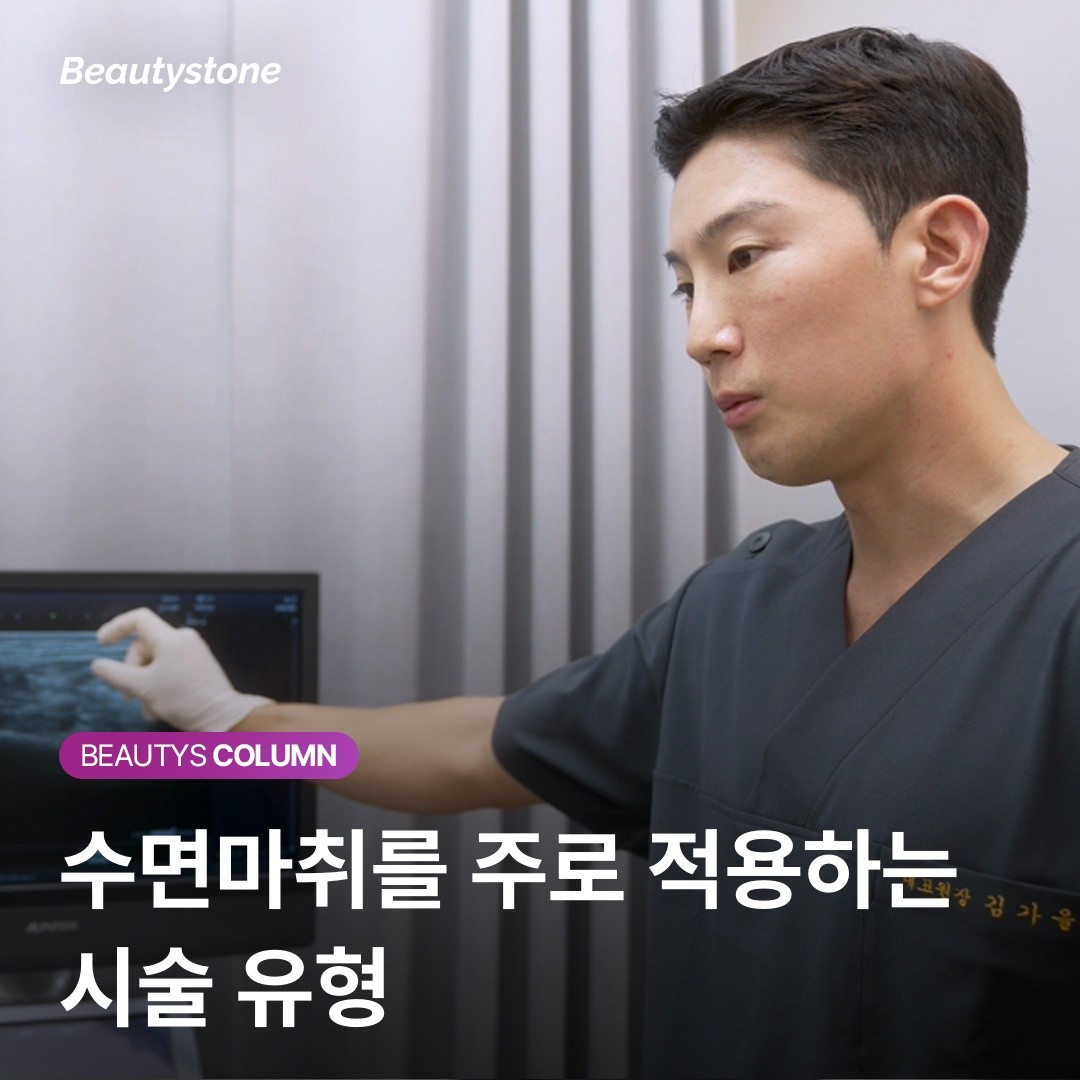
Dermatology director conducting a sedation anesthesia consultation


Frequently asked questions


Q1. Can I drive home after sedation anesthesia?

A. No, you can't.

After sedation, your judgment and reaction time

remain temporarily impaired.


Please avoid driving on the day of your procedure —

come with a guardian or use public transportation.

As a rule, you should head home only after resting fully in the recovery room.


Q2. Is the sedation anesthesia fee charged separately?

A. Yes — in most cases, the sedation fee is added on top of

the procedure cost.


The amount varies by clinic and by the type of medication used,

so it's a good idea to confirm during your consultation.

At our clinic, we walk you through the total cost upfront during the consultation.


Q3. I'm worried about side effects from sedation anesthesia. Isn't it dangerous?

  1. Side effects from sedation anesthesia aren't a major concern. You may feel some dizziness or nausea right after the procedure.

Most people improve after resting in the recovery room that day.


That said, if you're allergic to certain medications, or if

you have any liver or cardiopulmonary issues,

please be sure to let us know in advance.

That's how we keep things safe.

KakaoTalk consultation is available before your visit. This was Wi Young-jin.


▶ Read more

Sedation anesthesia: when is it actually needed?


💡 Read this first


Q. Isn't sedation anesthesia only for scary procedures?

A. Not at all. The key factor isn't pain — it's how long the procedure takes.


Q. So how long does a procedure have to be before you'd recommend sedation?

A. Generally, if a procedure runs longer than 1 hour, sedation anesthesia comes into consideration.


💡 Key insight from Director Wi Young-jin

I recommend sedation anesthesia when the procedure takes a long time

Dermatology director explaining when sedation anesthesia is needed


What is sedation anesthesia?

Sedation anesthesia is

an anesthesia method where an intravenous sedative is given

to lower consciousness while you continue to breathe on your own,

creating a state of light sedation.

Unlike general anesthesia,

it's done without airway intubation,

and recovery is quick once the procedure ends.

Simply put, it feels like being asleep while you're actually still lightly conscious.


Why longer procedures call for sedation anesthesia

This is something many people get wrong —

sedation anesthesia isn't used because a procedure is 'painful.'


Sure, pain can be one factor,

but the main reason I actually recommend sedation is

procedure time.

Here's the tricky part:

even when pain is intense, a procedure that wraps up in 10–15 minutes

can usually be handled with local or topical anesthesia.


But the same level of stimulation

becomes a different story once you're past 40 minutes or an hour.

And there's something important to keep in mind here.

The human body is wired to react more sensitively

to ongoing stress over time.


The first 10 minutes might feel fine,

but once 20 or 30 minutes pass,

your pain threshold (the limit of what you can tolerate) drops,

and your muscles start to tense up.


When a patient tenses up,

the treatment area shifts or contracts ever so slightly,

and that has a direct impact on the result.

Honestly,

there are plenty of cases where I recommend sedation purely for the sake of treatment quality.

When the patient is comfortable, I can work with precision.


Working on someone who's perfectly still

versus someone who's tense

makes a bigger difference in the outcome than you'd think.

Explaining the procedure-time criteria for sedation anesthesia

It varies case by case,

but here's how I usually call it.


If a procedure is expected to run longer than 1 hour,

I actively recommend sedation anesthesia.

For 30 to 60 minutes, I decide together with the patient based on their pain sensitivity and the treatment area.


If it's under 30 minutes,

local or topical anesthesia is usually plenty.

Comparison of procedure types using sedation anesthesia

👨‍⚕️ Director Wi Young-jin's takeaway:


The key criterion for sedation anesthesia isn't 'how painful it is' but 'how long it takes.'


The longer a procedure runs, the more your body tenses up — and that affects the final result.


Because a doctor can only work with precision when the patient is comfortable, sedation anesthesia for long procedures isn't just about convenience — it's about quality.


Procedures that typically use sedation anesthesia

So which procedures actually

tend to use sedation anesthesia?


Here are the typical cases.

Procedure type

Expected time

Anesthesia method

Notes

Liposuction / fat grafting

1–3 hours

Sedation anesthesia

Essential — both time and scope are extensive

Extensive laser procedures

(multiple areas combined)

1 hour or more

Sedation anesthesia recommended

More areas mean accumulated time

Thread Lifting

(extensive insertion)

30–60 minutes

Decided after consultation

Depends on thread count and area

Filler / Botox

(single area)

10–20 minutes

Topical anesthesia

Sedation rarely needed

Mole / Scar removal

(small area)

Around 15 minutes

Local anesthesia

Short and localized — this is enough

But it's not always so straightforward.

Even for the same procedure, a patient's pain sensitivity,

underlying conditions, and current medications

can all change whether sedation anesthesia is appropriate.


Sedation can also be limited for patients with internal medical issues.

That's exactly why a pre-procedure consultation is essential.

Dermatology director conducting a sedation anesthesia consultation


Frequently asked questions


Q1. Can I drive home after sedation anesthesia?

A. No, you can't.

After sedation, your judgment and reaction time

remain temporarily impaired.


Please avoid driving on the day of your procedure —

come with a guardian or use public transportation.

As a rule, you should head home only after resting fully in the recovery room.


Q2. Is the sedation anesthesia fee charged separately?

A. Yes — in most cases, the sedation fee is added on top of

the procedure cost.


The amount varies by clinic and by the type of medication used,

so it's a good idea to confirm during your consultation.

At our clinic, we walk you through the total cost upfront during the consultation.


Q3. I'm worried about side effects from sedation anesthesia. Isn't it dangerous?

  1. Side effects from sedation anesthesia aren't a major concern. You may feel some dizziness or nausea right after the procedure.

Most people improve after resting in the recovery room that day.


That said, if you're allergic to certain medications, or if

you have any liver or cardiopulmonary issues,

please be sure to let us know in advance.

That's how we keep things safe.

KakaoTalk consultation is available before your visit. This was Wi Young-jin.


▶ Read more

Beauty Doctor Hongdae Beauty Stone Clinic

Recommended post

Recommended post

Latest post

Latest post

서울에서 시술 받을 때 홍대와 강남 어디가 좋을까 — 외국인 방문객을 위한 가이드

Lifting

서울에서 시술 받을 때 홍대와 강남 어디가 좋을까 — 외국인 방문객을 위한 가이드

가격과 접근성 모두 중요 하지만, 가장 필요한건 원장님이 진료를 봐주시는지가 더 중요 할 것 같습니다. 특히 외국인을 보는 곳으로 가야, 해부학적인 다른 점도 체크가 가능해요.

울쎄라 부작용, "입꼬리가 안 올라가요" — 신경 자극을 피하는 시술자의 노하우

Lifting

울쎄라 부작용, 솔직히 저도 5년 전엔 몰랐던 것

울쎄라 부작용, 멍·붓기보다 입꼬리 비대칭이 더 무섭습니다. 4.5mm 깊이가 신경 분지 근처를 지나거든요.

레이저로 안 되던 모공, '포텐자 RF'가 풀어낸 진피층 구조의 비밀

skin

레이저로 안 되던 모공, 포텐자 RF는 뭐가 다를까?

레이저와 마이크로니들 RF는 모공에 작용하는 방식이 달라요. 표면이냐 진피냐, 어디에 에너지를 전달하는지 정리했어요.

홍대 피부과 고를 때 나는 "원장이 직접 진료하는 곳"부터 봐요

skin

홍대 피부과 고를 때 나는 "원장이 직접 진료하는 곳"부터 봐요

홍대 피부과가 너무 많아 고르기 어려우셨나요. 원장이 직접 진료하는 클리닉을 우선 보는 이유와 확인 방법을 정리했어요.

마포에서 피부과 고를 때 써마지 잘 받으려면 뭘 봐야 할까

Lifting

마포에서 피부과 고를 때 써마지 잘 받으려면 뭘 봐야 할까

마포에서 피부과를 고를 때 위치보다 먼저 따져야 할 기준이 있어요. 써마지를 후회 없이 받기 위한 체크리스트를 정리했어요.

Contouring & Volume

쥬베룩이랑 필러는 뭐가 다른 거예요?

쥬베룩, 스컬트라, PRP, 필러… 다 비슷해 보이지만 작동 방식이 달라요. 콜라겐 부스터와 필러의 차이를 풀었어요.

1:1 Custom Approach

💬 Eng Available 1:1 consultations available via Whatsapp

🌸 Beautystone Clinic attends the Meditox Bangkok Cadaver Workshop 🌸

1:1 Custom Approach